
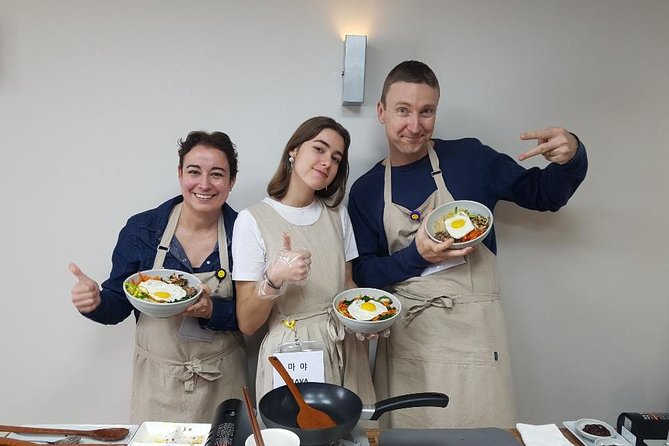
Reviewed · COOKING CLASSES
Korean cooking class in Haeundae, Busan
Come hungry and leave with recipes. This three-hour Korean cooking class in Haeundae gives you your own station, close help from instructor Min, and a meal you prepare yourself. I especially like the mix of hands-on cooking and Joseon-era food traditions, plus the relaxed finish with tea, dessert, and a participation certificate. The main consideration is price: at $100 per person, it costs more than simply eating a Korean meal, though the instruction and personal attention make it a stronger value for people who want an activity rather than just lunch.
I also like the small format. The class is described as having no more than seven people, while the general activity information allows up to eight, so you should confirm the exact group size when booking. The dishes may change by date, and the cooking dates for special palace dishes and temple food were not scheduled for 2025.
In This Review
- Key details before you book
- Why this Busan cooking class works so well
- Starting at Marine City at 10 a.m.
- Tasting Korean sauces before you cook
- Preparing bibimbap, seaweed soup, and Korean pancakes
- Eating at a traditional bapsang table
- The Joseon connection and palace cooking theme
- Haeundae sights around the class
- What $100 per person really buys you
- Who should take the class
- Practical booking advice for Haeundae
- Should you book this Korean cooking class?
Key details before you book

- Cook at your own station: You prepare the food yourself instead of watching a demonstration from the back of a room.
- Learn three Korean dishes: The standard menu includes bibimbap, seaweed soup, and a Korean pancake, though the menu can vary.
- Hear the story behind the food: Min explains Korean cooking customs, Korean sauces, the Joseon dynasty, and the meaning of traditional aprons.
- Eat at a bapsang: Your finished meal is served at a traditional Korean dining table, with a chair and regular table available if sitting on the floor is uncomfortable.
- Finish with tea and a certificate: A simple Korean dessert, tea, and a participation certificate round out the morning.
- Meet near Haeundae sights: The meeting point is in Marine City, with Dongbaekseom, Haeundae Beach, The Bay 101, and Nurimaru APAC House included in the listed route.
Why this Busan cooking class works so well
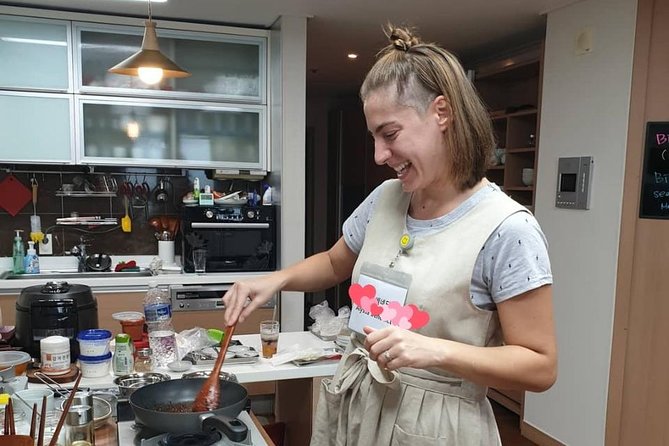
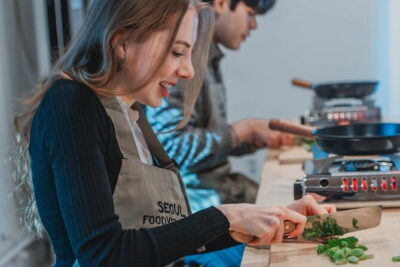
Cooking classes can be either useful or decorative. The bad ones let you chop two vegetables, pose for a photograph, and then serve food prepared in advance. This class is designed differently. You work at a personal station and receive direct guidance, which matters if you are not confident with a knife or have never cooked Korean food.
The strongest part is Min’s teaching style. She explains the dishes clearly, keeps the mood friendly, and gives attention to individual needs. Her class also goes beyond recipes. You learn about Korean food culture, the role of sauces, the traditional apron, and even how to read Korean menus.
That cultural layer gives the meal more meaning. Bibimbap is not just rice with vegetables arranged on top. Seaweed soup is not simply a light broth. A Korean pancake is not quite the same as a Western pancake. Understanding how these dishes fit into Korean home cooking helps you recognize them later in restaurants and gives you a better chance of making them at home.
The class also has a useful social side. The group is small enough for conversation, and the activity attracts people from different countries. You may be cooking beside a family, a couple, or a solo visitor, with the shared meal creating an easy way to talk.
More Busan trips:
- Busan: Gyeongju Guided Day Trip to Three Kingdoms Capital
★ 4.8 · 1,925 reviews - Small Group Full Day Busan Tour (Max 6 Pax)
★ 5.0 · 1,464 reviews - From Busan: Gyeongju UNESCO World Heritage Guided Day Tour
★ 4.8 · 1,250 reviews
Starting at Marine City at 10 a.m.
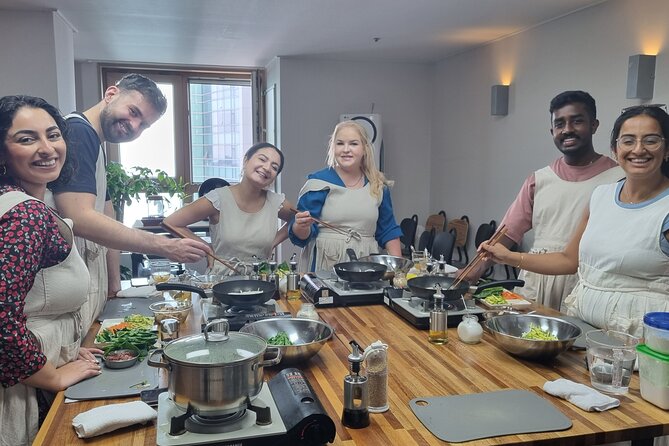
The class begins at 10 a.m. at 37 Marine city 3-ro in Haeundae. This is a practical base for a morning activity, particularly if you are staying near Haeundae or Marine City. The experience ends back at the same meeting point, so you are not left trying to find your way across Busan after eating.
The location also gives the class a connection to some of Haeundae’s best-known sights. The route includes Dongbaekseom, Haeundae Beach, The Bay 101 Yacht Club, and Nurimaru APAC House. The supplied schedule does not explain how much time is spent at each place, so treat these as part of the area connected with the experience rather than assuming a separate sightseeing tour at every stop.
Your first welcome is a traditional Korean apron, based on the apron worn by palace cooks in earlier times. It is a small detail, but a good one. Instead of stepping straight into a modern kitchen lesson, you get a visual link to the class’s focus on royal and traditional cooking.
You are also served a welcome drink before the cooking begins. This gives Min time to introduce the class and establish the pace. Since the activity lasts about three hours, the morning should feel like more than a quick recipe lesson.
Tasting Korean sauces before you cook
One of the most useful parts of the class is the chance to taste Korean main sauces before using them. This is the kind of practical lesson that can change how you order food later. Korean cooking often depends on the balance between fermented, salty, sweet, spicy, and savory flavors, and tasting sauces on their own helps you identify what they contribute.
I like this approach because it gives you a frame for the recipes. You are not just following instructions such as add this spoonful or stir for two minutes. You get a sense of why the dish tastes the way it does.
For people who rarely cook, this is reassuring. The class does not require previous culinary experience, and the direct support means you can ask for help as you go. Some basic kitchen confidence may make the work feel easier, but it is not required.
Preparing bibimbap, seaweed soup, and Korean pancakes
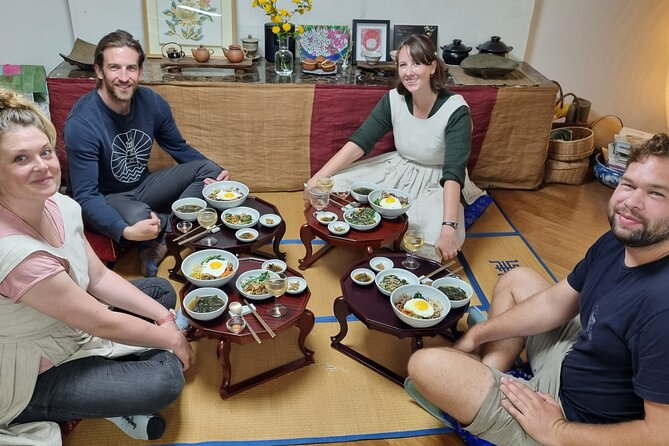
The standard cooking set includes bibimbap, seaweed soup, and a Korean pancake. One class participant identified the pancake as a chive pancake, though the menu can vary by date. That flexibility is worth noting: do not book expecting one fixed menu with no changes.
Bibimbap is an excellent teaching dish because it brings together several Korean cooking ideas. You learn about rice, vegetables, seasoning, arrangement, and sauce. The finished bowl is colorful and filling, but the real benefit is learning how separate ingredients become one balanced meal.
Seaweed soup offers a different lesson. It is a familiar Korean dish with a lighter, more brothy character. Preparing it alongside bibimbap gives you contrast, so the class does not feel like three versions of the same dish.
The Korean pancake adds a hands-on element that many people especially enjoy. It is simple enough for a beginner to manage, but technique still matters. The batter, vegetables, pan, and heat all affect the result. This is also a good dish to recreate at home because the method is easier to remember after you have made it yourself.
Min’s instruction is a major part of the value. She is described as attentive, warm, and clear, with enough patience to help people who are new to cooking. She has also adjusted dishes for gluten-free and vegetarian requirements. You should still explain dietary needs when booking, rather than waiting until the class begins.
More Cooking Classes in Busan:
- Busan Tailored Korean cooking class (Vegan OK)with market tour
★ 5.0 · 66 reviews - Busan: Small-Group Traditional Korean Food Cooking Class
★ 4.9 · 58 reviews - Busan Local Food Cooking Class with Market Tour
★ 5.0 · 53 reviews - Busan Kkakdugi(Korean radish Kimchi) class with various options
★ 5.0 · 6 reviews
Eating at a traditional bapsang table
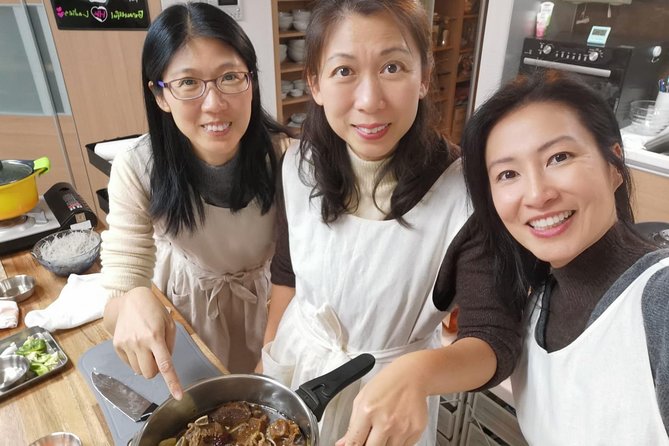
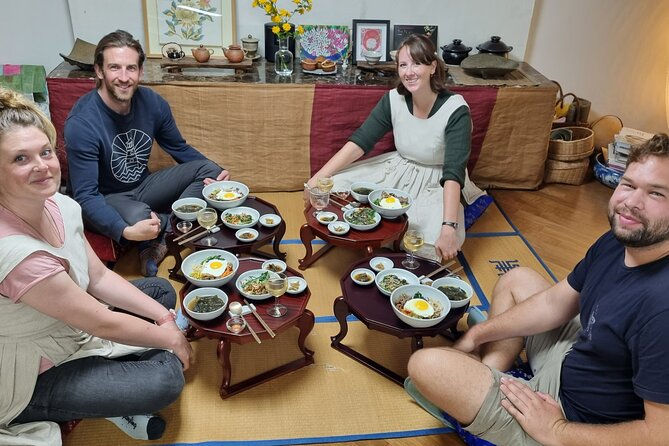
Once the food is ready, you sit down to eat what you have made. The meal is served on a bapsang, a traditional Korean dining table placed on the floor. This creates a more distinctly Korean setting than eating at a standard Western-height table.
Sitting on the floor can be difficult for some people, especially during a long meal. The class provides a table with chairs if needed, so you can enjoy the food without treating physical discomfort as part of the cultural lesson.
This shared meal is more than a reward for finishing the cooking. It lets you see how the dishes work together. You can compare your own seasoning choices, ask follow-up questions, and understand the food as a complete Korean meal rather than three isolated recipes.
The portion and menu details are not specified, so I would not book this as a guaranteed substitute for a large restaurant lunch. The point is the preparation, the teaching, and the setting. Still, the food is repeatedly described as delicious, and the class clearly puts care into making the final meal satisfying.
Tea and a simple Korean dessert follow lunch. These quieter final minutes give the class a pleasant ending. You have already cooked and eaten, so there is room for conversation instead of another rushed activity.
The Joseon connection and palace cooking theme
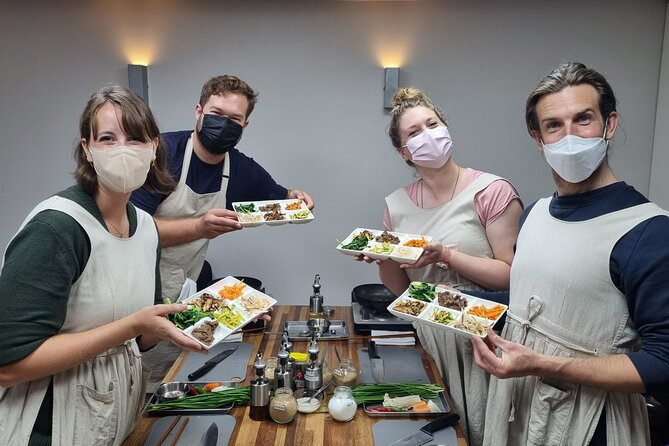
The class presents Korean food through the traditions of the Joseon dynasty and the idea of cooking like a palace chef. That does not mean you should expect a formal royal banquet or an elaborate historical reenactment. It means the instructor uses traditional customs and food culture to explain what you are doing.
The apron is part of that theme. So are the explanations about ingredients, sauces, dishes, and Korean dining habits. The historical material helps place everyday food in a wider context without requiring you to be a serious student of Korean history.
Special cooking dates for palace dishes were not scheduled in 2025, and neither were the separate temple food dates. If those themes are the main reason you are interested, check the calendar before paying. The standard class is still focused on Korean cooking and tradition, but it may not include a special palace or vegan temple menu.
Haeundae sights around the class
The location is convenient if you want to pair cooking with a morning or afternoon in Haeundae. Haeundae Beach is Busan’s famous waterfront draw, while Dongbaekseom provides a nearby change of pace. The Bay 101 Yacht Club is known as a Marine City landmark, and Nurimaru APAC House adds an architectural and civic point of interest.
The activity information lists all four stops, but it does not give exact visit lengths or describe a separate guided walk. Plan your day with some flexibility. If you want long beach time or a detailed visit inside a specific attraction, allow time before or after the cooking class rather than assuming the three-hour experience covers everything in depth.
The meeting point is near public transportation, which helps. A mobile ticket is provided, and confirmation is received when you book. The experience returns to its starting point, making it easier to continue sightseeing afterward.
What $100 per person really buys you
At $100 per person, this is not a cheap meal. If your only goal is to taste bibimbap and seaweed soup, a local restaurant will cost less and require no chopping.
The price makes more sense if you value personal instruction. You receive a welcome drink, apron, sauce tasting, hands-on cooking, cultural explanation, a seated meal, tea, dessert, and a certificate. The small group also matters. With a maximum of seven people stated for the class, Min can correct your technique and answer questions in a way a large group cannot.
The certificate is a nice souvenir, though it is not the main reason to book. The lasting value is the ability to recognize sauces, understand the dishes, and try the recipes again at home. Families and people who enjoy food-based activities may find the cost fair, particularly if the class becomes one of the memorable parts of a Busan visit.
The class has earned a perfect five-star rating from 92 reviews, with 100 percent recommending it. That does not guarantee that every person will love the format, but it points to a consistent strength: Min’s hospitality and teaching receive more praise than any single recipe.
Who should take the class
I would recommend this experience to first-time visitors who want an activity with a clear Korean focus. It suits couples, families, solo visitors, and small groups. Children and teenagers can take part, too. A parent specifically described the class as working well for daughters aged 12 and 16.
It is also a good choice for people who do not cook much. You do not need advanced skills, and the class is structured so you can learn by doing. If you already cook Korean food often, the history and menu guidance may be more valuable than the basic techniques.
Food restrictions should be discussed in advance. Gluten-free and vegetarian options have been accommodated, but the details of the menu are not fixed. People who dislike floor seating can use chairs, so that should not prevent you from booking.
I would be less enthusiastic if you want a fast, inexpensive activity or a formal sightseeing tour. The experience is built around cooking and conversation. The Haeundae sights add useful context, but the kitchen is the main event.
Practical booking advice for Haeundae
This class is commonly booked about 38 days ahead, so do not leave it until the final morning of your Busan trip if your schedule is tight. The activity is weather-dependent. If poor weather causes cancellation, you are offered another date or a full refund.
You can cancel for a full refund up to 24 hours before the start time. Cancellations or changes made less than 24 hours before the class are not accepted for a refund, and the cut-off follows local Busan time.
Service animals are allowed, and the meeting point is near public transportation. The standard start is 10 a.m., and the class lasts about three hours. Since it ends at the original meeting point, it pairs neatly with later time at the beach, Dongbaekseom, or another part of Busan.
Should you book this Korean cooking class?
Book it if you want to understand Korean food by making it, not just eating it. Min’s warm teaching, small group format, cultural explanations, and traditional meal setting give the class more substance than a basic tourist cooking demonstration.
Skip it if $100 feels too high for a meal or if you want a detailed tour of every Haeundae stop. For everyone else, especially families, food lovers, and curious beginners, this is a thoughtful Busan activity with skills you can carry home. Check the exact menu, confirm the group size, and mention dietary needs before booking.
More Workshops in Busan
- [BUSAN,GamcheonVillage] Private Korean Art Painting Class
★ 5.0 · 20 reviews - Korean Pottery Town Tour with the pottery class from Busan
★ 5.0 · 7 reviews - Busan private tour : K-pop dance class + tour
★ 5.0 · 6 reviews - Busan Dialect Class with local snack
★ 5.0 · 3 reviews
Just added in Busan
- Small Group 7D Korea package Tour with Seoul Gyeongju Busan Jeju★ 4.5 · 13 reviews
- Private Transfer from Seoul to Busan(up to 12 passengers)★ 5.0 · 1 review
- Jinhae Cherry Blossom + Busan Sunrise from Seoul★ 4.5 · 5 reviews
- 7 days Flexible Tour for Major Cities(Seoul,Busan,Gyeongju etc)★ 5.0 · 5 reviews
- PREMIUM 5 Days Tour for Wonder of Korea(Mt. Seoraksan, Andong, Gyeongju, Busan)★ 5.0 · 1 review
- 5 Days Tour for Korea’s past and present(Mt.Seoraksan, Andong, Gyeongju, Busan)★ 5.0 · 1 review
- 7 Days Highlight Korea Tour(Seoul, Nami, DMZ, Andong, Gyeongju, Busan)★ 5.0 · 1 review
- 5-Day Korea Golden route by K-shuttle Tour from Seoul Including Busan, Yeosu★ 4.5 · 37 reviews
Cooking Classes, compared.
Local Home Korean Cooking Class & Market Adventure in Seoul
Read our review →
Master Korean traditional cooking with a Kimchi chef
Read our review →
Korean Cooking Class at a Local Home and Market Tour
Read our review →
Korean Cooking Class with Grocery Shopping at Seoul Local Market
Read our review →
Korean Kimchi Making Day Experience with a Local Market Tour
Read our review →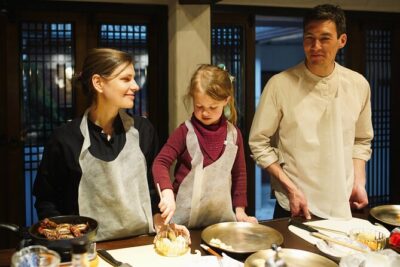
Royal Seoul Cooking Class in a 100-Year-Old Hanok
Read our review →Browse the lists this tour appears in