
Reviewed · COOKING CLASSES
Korean Cooking at Seoul Cooking Club
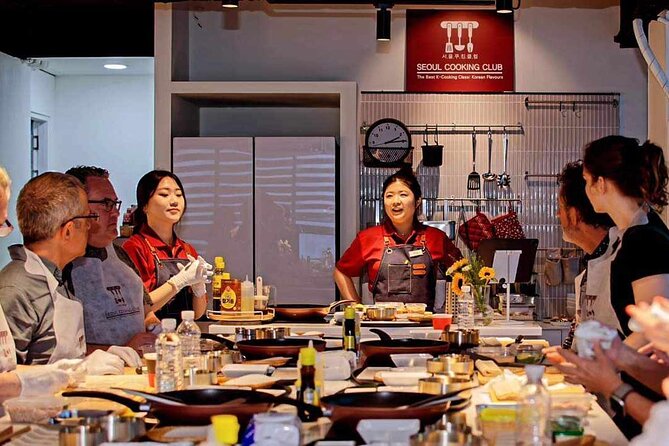
Come hungry for Korean flavor. Seoul Cooking Club offers a lively 2.5-hour cooking class where you prepare a broad selection of Korean dishes, taste more than ten flavors, and sit down to eat what you have made. It is a useful first look at the food culture of Seoul, especially if you want more than restaurant meals.
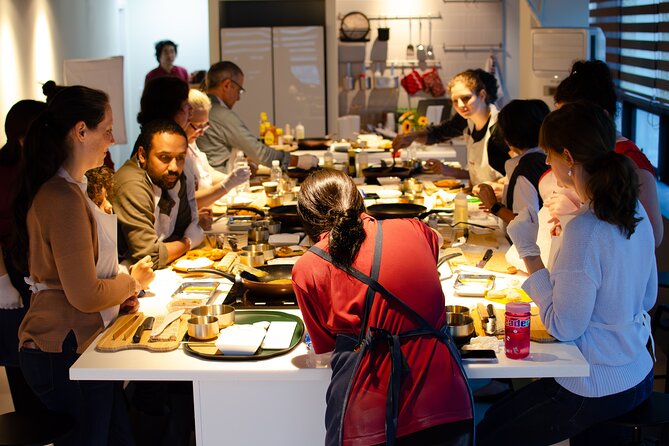
I like the small maximum of 12 people, which gives the instructors room to help without making the class feel crowded. I also like the variety: bulgogi, bibimbap, japchae, gimbap, several kinds of jeon, and dessert may all appear during the session. The main consideration is that much of the preparation is done before you arrive, so serious home cooks may find the class closer to guided assembly than a full lesson in Korean kitchen technique.
The class costs $109 per person and ends where it begins at 71-6 Jongno 2(i)-ga in Jongno District. That is not a bargain-basement activity, but the price includes a substantial meal, instruction, tastings, and often enough food to take away. The class also offers vegan, vegetarian, pescatarian, gluten-free, halal, and other dietary options when arranged properly.
In This Review
- Key points to know before booking
- Arriving at the Jongno cooking studio
- A broad menu instead of one single Korean recipe
- How the 2.5-hour class works
- Learning the foundations of Korean flavor
- The instructors make the difference
- Dietary needs and food restrictions
- Eating the meal and handling leftovers
- Cookbook, tote bag, and take-home value
- Who will enjoy this Seoul cooking class?
- Is $109 a fair price?
- Should you book Seoul Cooking Club?
- FAQ
- Where does Seoul Cooking Club meet?
- How long does the cooking class last?
- How many people can join the class?
- What dishes might I prepare?
- Can the class accommodate dietary preferences?
- What is the cancellation policy?
Key points to know before booking
- Seven or more prepared dishes: Expect a generous spread that can include bulgogi, bibimbap, japchae, gimbap, three kinds of jeon, and dessert.
- Ten Korean flavors to sample: The menu includes a mix of savory and sweet tastes, along with Korean drinks such as sujeonggwa in some sessions.
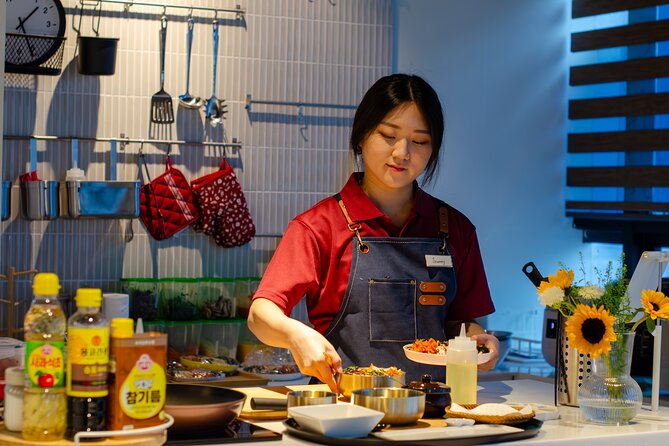
- Friendly instructors by name: Olivia, Sally, Elly, Grace, and Ally are praised for clear demonstrations, patience, and warmth.
- A useful first activity in Seoul: The class can help you recognize ingredients and dishes on restaurant menus during the rest of your trip.
- Dietary needs are part of the setup: Vegan, vegetarian, pescatarian, gluten-free, halal, and some allergy-related requests can be accommodated.
- Bring an appetite: Portions are large enough that many people pack leftovers for later.
Arriving at the Jongno cooking studio
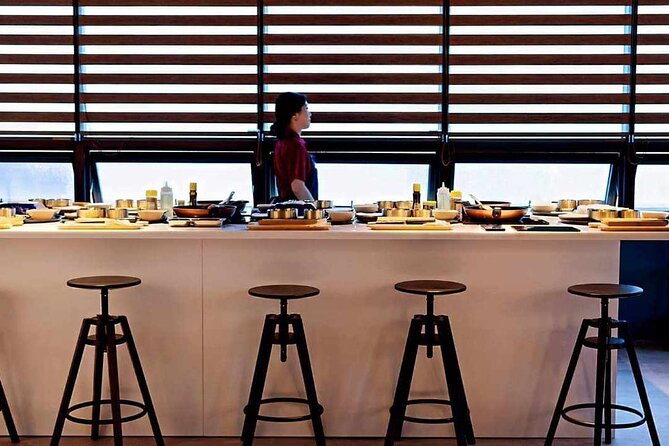
The class meets at 71-6 Jongno 2(i)-ga, in Seoul’s Jongno District. The location is near public transportation, and your mobile ticket is confirmed when you book. Since the class begins and ends at the same address, you do not need to manage a second meeting point after the meal.
I like this arrangement for a first or second day in Seoul. You can pair the class with sightseeing in central Seoul, then return to the same area afterward rather than figuring out a pickup or drop-off. Give yourself enough time to find the building, especially if you are relying on a map app and unfamiliar Korean address formats.
The class is offered for brunch, lunch, or dinner. That flexibility matters in Seoul, where a cooking lesson can fit around palace visits, shopping, or an evening walk. If you choose the dinner session, eat lightly beforehand. The food supply is generous, and this is not a class where you leave with a tiny tasting plate.
More Cooking Classes in Seoul:
- Local Home Korean Cooking Class & Market Adventure in Seoul
★ 5.0 · 1,024 reviews - Master Korean traditional cooking with a Kimchi chef
★ 5.0 · 385 reviews - Seoul: Korean Cooking Class at a Local Home and Market Tour
★ 5.0 · 348 reviews
A broad menu instead of one single Korean recipe
The strongest feature here is range. You are not spending the whole session making only one dish. The class introduces a group of familiar Korean foods, with a blend of snacks, main dishes, side-style preparations, and something sweet at the end.
The exact menu can vary, but the dishes described for recent sessions include:
- Bulgogi
- Bibimbap
- Japchae
- Gimbap
- Kimchi pancakes
- Three kinds of jeon
- A Korean dessert
- More than ten savory and sweet flavors
That list gives you a helpful cross-section of Korean cooking. Bulgogi shows how a sweet and savory marinade shapes meat. Bibimbap introduces the pleasure of combining rice, vegetables, toppings, and sauce in one bowl. Japchae brings glass noodles and a different texture, while gimbap teaches the rolling and arranging skills behind one of Korea’s best-known picnic foods.
Jeon, often described as Korean pancakes or savory fritters, adds another useful lesson. Making three kinds lets you compare fillings and textures instead of treating the dish as one fixed recipe. Kimchi pancakes are especially appealing if you want a quick idea to recreate in your own kitchen.
Dessert rounds out the meal. The supplied details do not identify one fixed dessert, so you should not book this expecting a particular sweet. The point is the contrast after the savory dishes, along with the chance to taste Korean flavors beyond the usual barbecue and fermented side dishes.
How the 2.5-hour class works
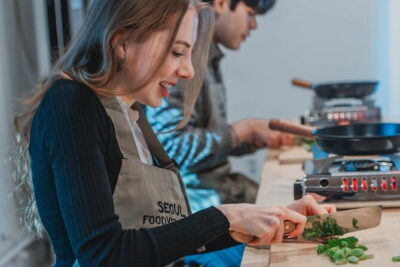
The session is described as a three-course Korean meal with ten flavors, but the practical experience is more like a guided feast built in stages. Ingredients are prepared so the group can focus on key methods, mixing, shaping, assembling, and tasting rather than spending the entire time washing and chopping.
That makes the class accessible. You do not need much kitchen experience, and the demonstrations are designed to be easy to follow. Elly is praised for breaking down each step, while Olivia is described as clear and patient. Sally receives repeated praise for her friendly teaching style, and Grace is noted for explaining the foundations of Korean flavor.
You can expect the instructors to demonstrate a preparation, guide you through it, and help the group correct small mistakes. The pace includes time to sit and eat between stages, so you are not on your feet for the full 150 minutes. That is good news if you want a social cultural activity rather than a demanding professional cooking workshop.
One practical point deserves attention: the class is hands-on, but not every ingredient starts from scratch in front of you. Most chopping, measuring, and some cooking may already be done. One participant felt this made the experience more about assembly than cooking.
I see that as a fair limitation rather than a fatal flaw. Pre-preparation is what allows the class to cover seven or more dishes in a short period. If you want to learn knife work, stock making, fermentation, or the full process behind every sauce, this may feel too basic. If you want to understand how Korean dishes are put together and then eat a large meal, the format makes sense.
Learning the foundations of Korean flavor
The best instructors do more than read out recipe steps. They explain why an ingredient belongs in a dish and how the finished food should taste. Grace is praised for describing the foundation of Korean flavor, while another instructor is noted for explaining Korean food history and the purpose of different ingredients.
That context is useful when you sit down at a Korean restaurant later. You may not become an expert in one afternoon, but you can begin to recognize the balance of sweetness, salt, heat, acidity, sesame, garlic, vegetables, and fermented ingredients that appears across Korean cooking.
The lesson also has a practical sightseeing benefit. After learning how dishes are built, restaurant menus become easier to read. You have a better sense of what to expect from gimbap, japchae, bulgogi, bibimbap, and jeon, rather than ordering only by photograph.
Some sessions include Korean beverages, water, tea, and sujeonggwa, a sweet cinnamon-based drink. These additions help turn the meal into a broader food experience, not simply a series of cooking instructions. The available details do not promise the same drink selection every time, so think of beverages as a welcome part of the class rather than a guaranteed tasting menu.
A few more options to weigh up in Seoul
- Best DMZ Tour Korea from Seoul (Red Suspension Bridge Optional)
★ 5.0 · 41,422 reviews - DMZ Tour: 3rd Tunnel, Option(Suspension Bridge, Boat) from Seoul
★ 5.0 · 21,373 reviews - DMZ tour south Korea from Seoul (NK experience hall, defector)
★ 5.0 · 20,599 reviews - Seoul: DMZ Tour with Optional Suspension Bridge
★ 4.8 · 5,277 reviews
The instructors make the difference
The class receives its highest praise for its staff. Olivia, Sally, Elly, Grace, and Ally are each singled out for being welcoming, patient, clear, or encouraging. That matters in a group class, where a confusing demonstration can quickly leave half the room behind.
Elly appears particularly strong at demonstration. She is praised for showing how to make gimbap and for answering questions about Korean culture. Sally is repeatedly described as smiling, helpful, and easy to follow. Olivia is praised for her patience and for making the experience comfortable for beginners.
The teaching team also seems comfortable with mixed ability levels. One person may be an enthusiastic home cook, while another has very little experience in the kitchen. The class is built so both can take part, although the experienced cook may want more technical detail than the standard format provides.
This is also a pleasant choice for a solo visit. The small group gives you a natural way to meet people over shared tasks and a common table. Families can enjoy it too. A family of five had enough food to eat during the session and take leftovers for the following day.
Dietary needs and food restrictions
The class makes a clear effort to include different diets. Vegan, vegetarian, pescatarian, gluten-free, and halal versions are offered, and specific allergy requests may be handled as well. One participant with a peanut allergy and restrictions against beef and pork was able to eat all the food prepared.
Still, you should communicate your needs at booking or as early as possible. Do not assume that a general dietary promise automatically covers a serious allergy or cross-contact concern. The available information confirms that the team can cater to several preferences, but it does not spell out every ingredient substitution or kitchen procedure.
This flexibility is a major advantage for a group with mixed diets. Korean food often includes meat, seafood, wheat, sesame, soy, and fermented products, so a class that can adapt the menu is more useful than one built around a single fixed meal.
Eating the meal and handling leftovers
The cooking is only half the attraction. Once the dishes are ready, you sit down and share the food. The portions are repeatedly described as large, with some people taking food away for another meal.
That changes the value calculation. At $109, you are not simply paying for a recipe demonstration. You are also paying for a full dining experience, a structured introduction to Korean food, and the chance to taste a wide set of dishes in one sitting.
The meal can be especially good value if you are curious about many foods but do not want to order a full portion of each at separate restaurants. A typical Seoul meal can introduce one or two dishes at a time. Here, you can compare several preparations in a single session.
The food is prepared for the group, so the experience is not the same as ordering exactly what you want from a menu. Still, the range is generous, and leftovers are a useful bonus rather than a minor detail. Bring a good appetite and plan less food afterward.
Cookbook, tote bag, and take-home value
A cookbook is provided as a souvenir, and some sessions also include a small tote bag. The cookbook is more valuable than a decorative keepsake because it gives you a way to repeat the dishes at home.
That take-home element helps the class last beyond your Seoul visit. You may not remember every measurement, but the printed recipes, combined with the techniques shown in class, give you a reasonable starting point for recreating gimbap, jeon, japchae, or bibimbap.
The recipe booklet will not replace a detailed cooking course. The criticism about pre-prepared ingredients still applies. But for a beginner, having the dishes in one place is a practical reminder of what you learned and a way to keep Korean food in your regular cooking routine.
Who will enjoy this Seoul cooking class?
I would recommend Seoul Cooking Club most strongly to:
- First-time visitors who want a quick introduction to Korean food
- Solo visitors looking for an easy social activity
- Couples who want something more active than another restaurant meal
- Families with older children who can take part in simple kitchen tasks
- Beginners who prefer clear demonstrations and prepared ingredients
- People with vegan, vegetarian, pescatarian, gluten-free, halal, or selected allergy needs
- Home cooks who want recipe ideas and cultural context
It may be less suitable for an experienced cook seeking advanced technique. The class covers a lot of dishes, but that breadth comes from having ingredients prepared in advance. You will learn how foods are assembled, seasoned, shaped, and served, but you may not spend much time mastering every stage from raw ingredient to finished dish.
The small group limit of 12 is a real plus. You get a more personal setting than a large demonstration, yet there are enough people for conversation. Service animals are allowed, and the location is near public transportation.
Is $109 a fair price?
The price is $109 per person. That is a significant amount for a 2.5-hour activity, so the class needs to deliver more than a quick recipe lesson.
For me, the value depends on what you want. If you count the food alone, you could probably find cheaper meals in Seoul. If you want a focused cultural activity with instruction, several dishes, drinks, dessert, a cookbook, and possible leftovers, the price becomes easier to justify.
The menu range is the key. Preparing seven dishes and tasting ten flavors gives you more variety than most short cooking lessons. The group size also keeps the experience personal, and the dietary flexibility can save a lot of trouble for people who cannot eat the standard menu.
I would book it at this price if Korean food is a major interest, if you are staying in Seoul for several days, or if you want an activity that combines food and conversation. I would skip it if you are mainly looking for advanced culinary training or a low-cost way to eat lunch.
Cancellation is free with at least 24 hours notice. Cancellations or changes inside that window are not refunded, so check your Seoul schedule before reserving.
Should you book Seoul Cooking Club?
Book this class if you want a friendly, generous introduction to Korean cooking and do not mind some pre-prepared ingredients. The instructors are the strongest reason to go, and the combination of clear teaching, cultural explanation, dietary flexibility, and a large shared meal gives the experience real substance.
I would especially suggest booking it near the start of your Seoul stay. You can use what you learn to order with more confidence at restaurants and markets afterward. Just arrive ready to participate, taste widely, and eat far more than the phrase cooking class might suggest.
FAQ
Where does Seoul Cooking Club meet?
The class starts at 71-6 Jongno 2(i)-ga, Jongno District, Seoul, South Korea. It ends back at the same meeting point.
How long does the cooking class last?
The experience lasts approximately 2 hours and 30 minutes.
How many people can join the class?
The maximum group size is 12 participants.
What dishes might I prepare?
The menu can include bulgogi, bibimbap, japchae, gimbap, kimchi pancakes, several kinds of jeon, and dessert. The experience includes more than ten Korean flavors.
Can the class accommodate dietary preferences?
Yes. Vegan, vegetarian, pescatarian, gluten-free, halal, and some allergy-related requirements can be accommodated. Share your needs when booking.
What is the cancellation policy?
You can cancel for a full refund up to 24 hours before the experience begins. Cancellations or changes made less than 24 hours before the start time are not refunded.
Just added in Seoul
- Seoul: Korean & English Language Exchange Global Party★ 5.0 · 28 reviews
- Your Personal Seoul Photographer!★ 4.1 · 15 reviews
- You’re Invited to Our Home in Seoul: The Only Cooking Class!★ 5.0 · 8 reviews
- From Seoul: Yongpyong Ski Day Tour with Transportation★ 4.9 · 40 reviews
- From Seoul: Hwacheon Ice Fishing and Lighting Festival Tour★ 4.5 · 4 reviews
- Seoul: Gangneung BTS K-Pop & K-Drama Filming Locations Tour★ 4.6 · 14 reviews
- Unique Native Experience : Han River Picnic, Board game, BBQ★ 5.0 · 3 reviews
- Seoul: Euljiro Gastroventure Tour★ 4.0 · 1 review
Cooking Classes, compared.
Local Home Korean Cooking Class & Market Adventure in Seoul
Read our review →
Master Korean traditional cooking with a Kimchi chef
Read our review →
Korean Cooking Class at a Local Home and Market Tour
Read our review →
Korean Cooking Class with Grocery Shopping at Seoul Local Market
Read our review →
Korean Kimchi Making Day Experience with a Local Market Tour
Read our review →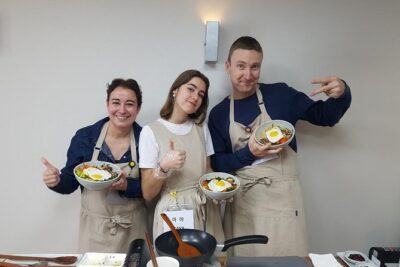
Royal Seoul Cooking Class in a 100-Year-Old Hanok
Read our review →Browse the lists this tour appears in