
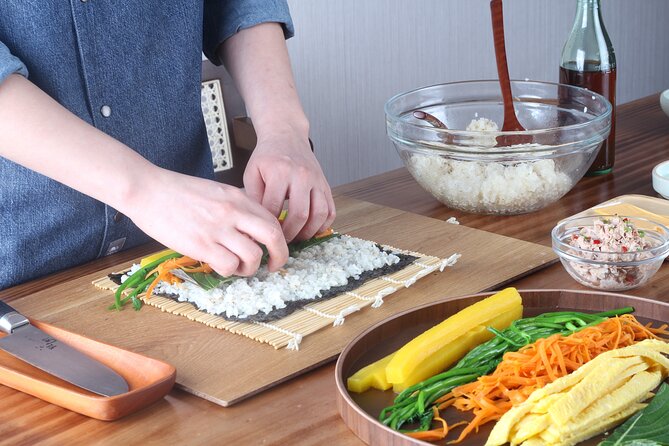
Reviewed · COOKING CLASSES
Master Korean traditional cooking with a Kimchi chef
Come hungry, leave with recipes. This three-and-a-half-hour cooking class combines a walk through Gyeongdong Market with hands-on Korean cooking in a local-style home. I like the market visit because it gives you a clear look at the ingredients before they land in the pan, and I like the small-group format, which keeps the instruction personal.
The main thing to watch is the schedule. The menu changes by day, so you need to choose carefully if you have your heart set on kimchi, bulgogi, bibimbap, or samgyetang. The class begins at 10 a.m. at Jegi-dong Station Exit 2 and ends back at the same meeting point, with no station pickup or drop-off included.
In This Review
- What makes this Seoul cooking class worth your morning
- Starting at Jegi-dong Station Exit 2
- Walking through Gyeongdong Market
- Entering the Korean-style kitchen
- Choosing the right menu day
- Monday: samgyetang
- Tuesday and Saturday: bulgogi, japchae, and doenjang jjigae
- Thursday: kimchi
- Friday: bibimbap
- Sunday: Korean desserts
- Eating what you prepared
- Why the small group matters
- Dietary choices and practical comfort
- Is $85 a fair price?
- Who should book this experience?
- Should you book the Kimchi Chef cooking class?
- FAQ
- Where does the cooking class start?
- What time does the experience begin?
- How long does the experience last?
- Does the tour include transportation?
- What market do you visit?
- Is the cooking class hands-on?
- What food is made on Monday?
- What food is made on Thursday?
- Are vegan and halal options available?
- Can children participate?
What makes this Seoul cooking class worth your morning
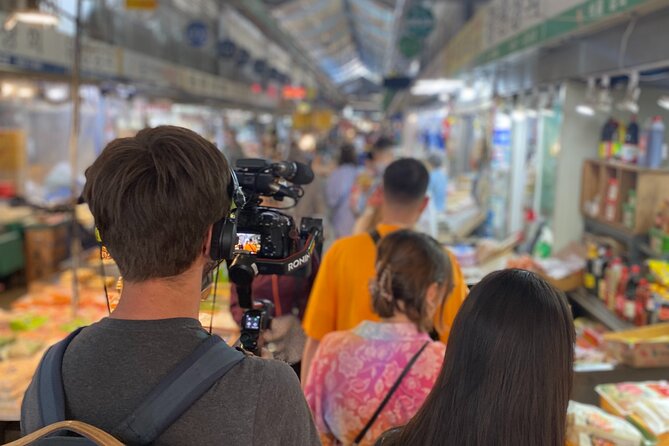
- A food market comes before the kitchen: You walk through Gyeongdong Market and help select the ingredients used in the class.
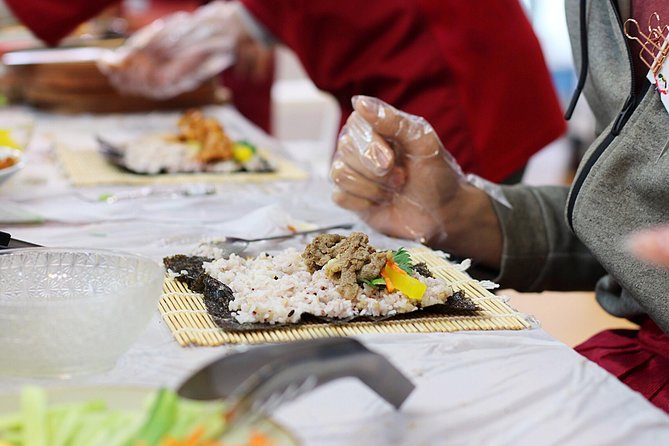
- The cooking is hands-on: You do not simply watch a demonstration. You prepare portions of the dishes yourself, then sit down to eat.
- The group is kept small: The experience is advertised as limited to seven people, creating more room for questions and individual help.
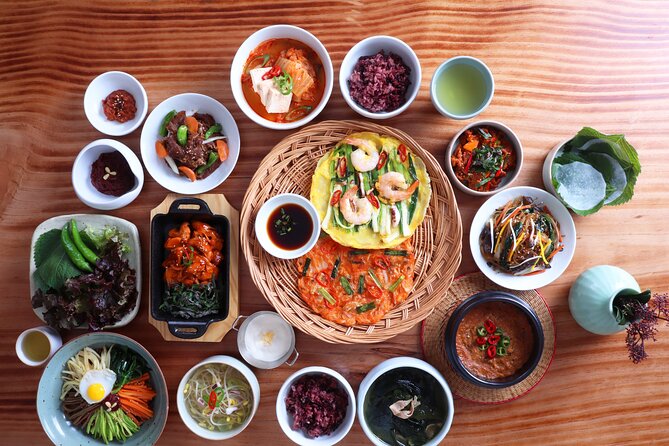
- The menu follows the day: Monday is samgyetang, Thursday is kimchi, Friday is bibimbap, and Tuesday and Saturday feature bulgogi, japchae, and doenjang jjigae.
- The setting feels local: The class moves from a traditional food and medicine market into a Korean-style house or nearby cooking studio.
- Dietary needs can be addressed: Vegan and halal options are available, but you should state your needs when booking.
Starting at Jegi-dong Station Exit 2
Your morning starts a little before 10 a.m. at Jegi-dong Station Exit 2, on Seoul’s Line 1. The meeting point is in the area known for the Seoul Oriental Medicine Market, and the station is near Dongdaemun by subway.
This is a practical starting point because the class does not ask you to arrange a complicated hotel transfer. You do need to get there yourself, though. The subway station is the pickup and return point, not a private transportation service.
I would arrive early enough to find Exit 2 without rushing. The class includes a walk, market shopping, cooking, and a meal within about three and a half hours. A late arrival could affect the whole group, especially when the class is limited to only a handful of people.
The operator describes the experience as a private activity for your group, while the main format is also described as a small group limited to seven people. The booking information also allows up to 10 people per booking. Since those details do not line up perfectly, check the exact group arrangement when you reserve.
More Cooking Classes in Seoul:
- Local Home Korean Cooking Class & Market Adventure in Seoul
★ 5.0 · 1,024 reviews - Seoul: Korean Cooking Class at a Local Home and Market Tour
★ 5.0 · 348 reviews - Seoul: Korean Cooking at Seoul Cooking Club!
★ 5.0 · 311 reviews
Walking through Gyeongdong Market
The first stop is Gyeongdong Market, one of the most useful parts of the experience. This is not simply a quick pass by a market stall. Your guide leads you through the shopping area and helps select the ingredients planned for that day’s recipes.
Gyeongdong is known for food, vegetables, spices, and traditional medicine. You may see a side of Seoul that feels far removed from the polished shopping streets around Myeongdong or Gangnam. The market also gives you a chance to connect Korean cooking with the raw ingredients behind it.
Your guide explains the ingredients and offers context about Korean food culture while you walk. The market route has also included samples of traditional Korean doughnuts, adding a small sweet pause before the cooking begins.
I especially like this order. You see the ingredients first, then learn how they are prepared. That makes unfamiliar items less mysterious when they appear on the cutting board later.
The market is large, and the walking portion can be lively and crowded. You should wear comfortable shoes and stay close to your guide. This is not a quiet, polished food hall, and that is part of its appeal. It is a working market where food and traditional medicine share the same neighborhood.
Entering the Korean-style kitchen
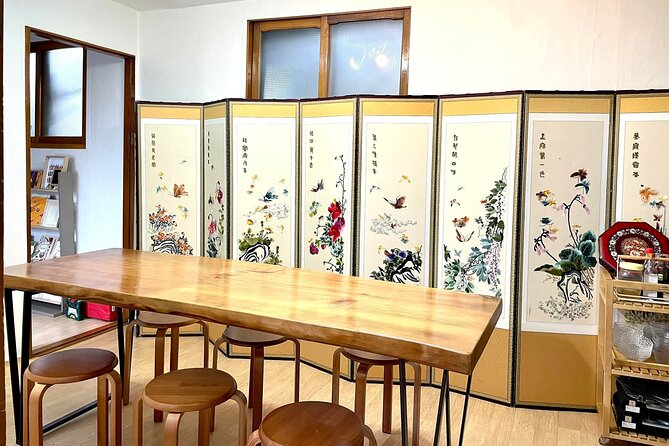
After shopping, you walk with the guide to a Korean-style house in a local neighborhood. Some descriptions refer to a nearby cooking studio, and the setting has been described as a clean, well-equipped space with ingredients prepared for the class.
The change from market to kitchen gives the activity a natural rhythm. First you see how ingredients are sold and used locally. Then you handle them yourself with guidance from the chef.
The class is designed for beginners. Instructions are explained step by step, and the chef helps with technique, preparation, and timing. You do not need to arrive as an experienced cook. The format is especially friendly to people who worry they will slow down the group.
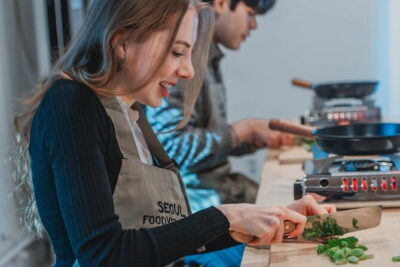
The class is hands-on rather than a simple demonstration. You prepare small portions of the menu, work through the recipes, and then sit down to eat the finished food. That matters because you leave with a better sense of how the dishes are assembled, not just how they look when served.
Several sessions have included a recipe book, which is useful if you want to repeat the dishes at home. It is worth confirming whether a cookbook is included on your selected date, since the supplied information does not list it as a guaranteed inclusion.
Choosing the right menu day
The most important booking decision is the day of the week. The cooking class does not offer the same menu every morning.
A few more options to weigh up in Seoul
- Best DMZ Tour Korea from Seoul (Red Suspension Bridge Optional)
★ 5.0 · 41,422 reviews - DMZ Tour: 3rd Tunnel, Option(Suspension Bridge, Boat) from Seoul
★ 5.0 · 21,373 reviews - DMZ tour south Korea from Seoul (NK experience hall, defector)
★ 5.0 · 20,599 reviews - Seoul: DMZ Tour with Optional Suspension Bridge
★ 4.8 · 5,277 reviews
Monday: samgyetang
Monday’s dish is samgyetang, a traditional Korean chicken and ginseng soup. This is a good choice if you want to learn a classic comfort dish with strong links to Korean food culture.
Tuesday and Saturday: bulgogi, japchae, and doenjang jjigae
Tuesday and Saturday offer the broadest savory menu: bulgogi, japchae, and doenjang jjigae. Bulgogi gives you a chance to work with marinated meat, while japchae introduces the glossy sweet potato noodles often served at Korean meals.
Doenjang jjigae brings fermented soybean paste into the meal. It is a useful dish for understanding the savory, earthy flavor found in many Korean home kitchens. These classes are a strong choice if you want several familiar Korean staples in one sitting.
Thursday: kimchi
Thursday is the obvious pick if kimchi is your main interest. The experience is presented as a class with a kimchi chef, but the menu changes, so kimchi is not necessarily the focus every day. Choose Thursday if you specifically want that preparation.
Friday: bibimbap
Friday is reserved for bibimbap. You work with traditional ingredients and assemble the dish as part of a complete meal. This menu suits you if you want something recognizable, colorful, and relatively easy to recreate at home.
Sunday: Korean desserts
Sunday classes focus on a variety of Korean desserts rather than a full savory meal. This may be the best fit if you prefer sweets or want a different angle on Korean food.
Each class is composed of three different menu items, although some individual descriptions mention four dishes. The exact number and portions may depend on the selected menu, so use the day-specific description as your guide.
Eating what you prepared
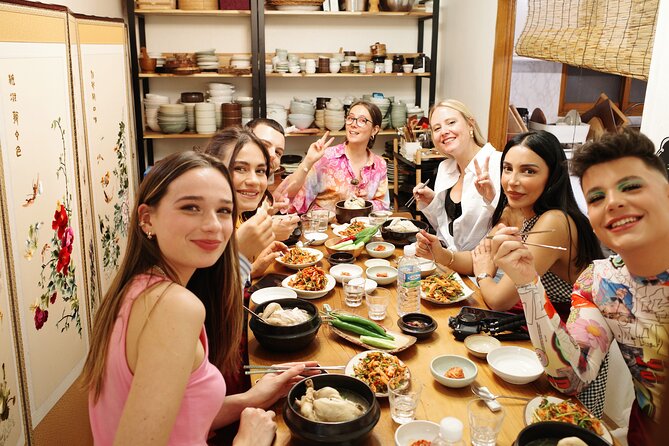
Once the cooking is finished, you sit down with the group and eat the meal. Lunch or dinner is included depending on the selection and time, while Sunday’s option involves dessert.
Morning tea is included in all classes. That small detail helps the morning feel like more than a rushed lesson followed by a plate of food. You have time to talk with the instructor and other people in the group while tasting what you made.
The class has received its strongest praise for the chef’s patience and clear instruction. Chef Minseon is named in several accounts, and the teaching style is repeatedly described as friendly, encouraging, and easy to follow. English-language instruction is available, and one account specifically praised the instructor’s very good English.
The meal is not just a final reward. It gives you a chance to judge the seasoning, texture, and balance of the dishes while the lesson is still fresh. You can ask why something tastes salty, sweet, spicy, or fermented, then connect that answer to the ingredients you saw at the market.
Why the small group matters
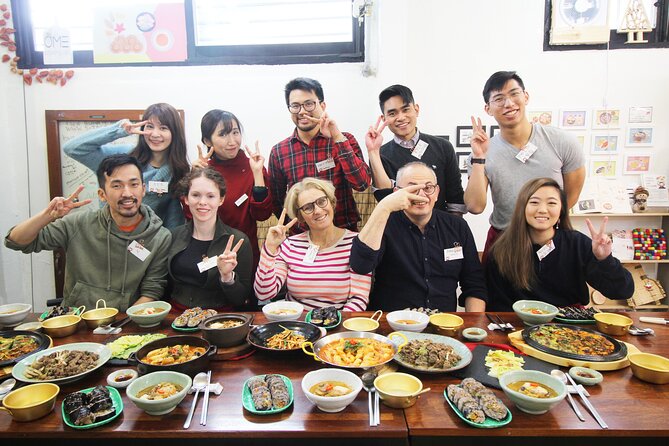
A cooking class can become frustrating if too many people crowd around one work surface. The advertised limit of seven people helps avoid that problem. You have more opportunity to ask for help, check a technique, and take an active role in each dish.
The group also creates a social part of the morning without turning the class into a large organized event. The instructor introduces participants to each other, which makes conversation easier as the class progresses.
The listing says a minimum of one person is required, and the experience may operate as a private activity for your group. At the same time, the small-group wording and booking limit vary slightly across the details. If group size is central to your decision, confirm the arrangement before paying.
Families should note that children under six cannot participate for safety reasons. Guests over 14 pay the adult price, and up to one child per class can participate. That makes the experience more suitable for older children and teenagers than for families with very young children.
Dietary choices and practical comfort
Vegan and halal options are available. You should request the appropriate option in advance rather than assuming the standard menu can be changed on the day.
The class involves walking through a large market, standing in a kitchen, handling ingredients, and eating a full meal or dessert. Comfortable shoes are sensible. Since the exact accessibility arrangements are not provided, contact the operator directly if you have mobility, food allergy, or kitchen-safety concerns.
A mobile ticket is included, which keeps the entry process simple. Confirmation is sent within 48 hours of booking, subject to availability. The experience requires a minimum number of participants, so if the operator cancels for that reason, you are offered another date or a full refund.
You can cancel free of charge up to 24 hours before the start time. Changes or cancellations made inside that 24-hour window are not accepted for a refund.
Is $85 a fair price?
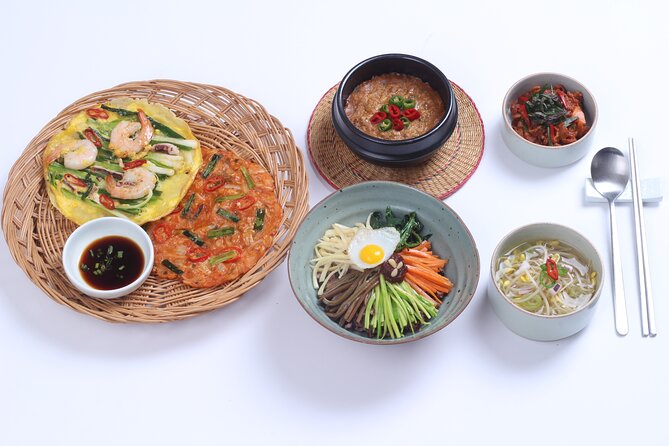
At $85 per person, this is not the cheapest way to eat Korean food in Seoul. You could buy a meal for much less. But the price covers more than lunch: you get a guided market visit, ingredient explanations, instruction from a local chef, a hands-on class, tea, and the meal or dessert you prepare.
The value is strongest if you enjoy learning by doing. You are paying for practical skills, not just a tasting. The market walk also gives the class a sense of place that a cooking studio alone would not provide.
I would consider it good value for a first visit to Seoul, especially if you want an activity that combines food and local culture without taking up a full day. It is less compelling if you only want to eat, if you dislike group activities, or if you already have extensive Korean cooking experience.
The class is also useful for people who want recipes they can repeat at home. Bulgogi, japchae, bibimbap, kimchi, and doenjang jjigae are more meaningful souvenirs when you know how to make them yourself.
Who should book this experience?
I would recommend it most strongly to:
- First-time visitors who want a practical introduction to Korean food
- People who enjoy local markets more than formal sightseeing
- Beginner cooks who want patient instruction
- Couples, siblings, friends, and solo participants who like social activities
- Older families with children who can safely participate
- Anyone looking for vegan or halal cooking options
- Food lovers who want to understand Korean ingredients, not only taste finished dishes
I would think twice if you have very limited time in Seoul and need a fast activity. Three and a half hours is a substantial morning, and the class returns you to the starting station rather than another central attraction.
Should you book the Kimchi Chef cooking class?
Yes, if you want to spend a morning learning, shopping, cooking, and eating rather than simply checking off a restaurant meal. The market visit is the key feature, and the chef’s patient teaching makes the class approachable even if you rarely cook.
Choose Thursday for kimchi, Friday for bibimbap, Monday for samgyetang, Tuesday or Saturday for the three-dish savory menu, and Sunday for desserts. Confirm the group size, dietary request, and exact menu before booking.
For $85, you receive a personal food lesson and a look at a part of Seoul that many sightseeing routes skip. It is a particularly good choice for you if the best souvenir is one you can make again in your own kitchen.
FAQ
Where does the cooking class start?
It starts at Jegi-dong Station Exit 2 in Seoul, near the Seoul Oriental Medicine Market.
What time does the experience begin?
The start time is 10:00 a.m. You should meet the group a little before 10 a.m.
How long does the experience last?
The experience lasts approximately three hours and 30 minutes.
Does the tour include transportation?
No. Subway station pickup and drop-off are not included. The activity begins and ends at the meeting point.
What market do you visit?
The itinerary includes Gyeongdong Market, also associated with Seoul’s food and traditional medicine market area.
Is the cooking class hands-on?
Yes. You prepare portions of the menu with guidance from the chef rather than only watching a demonstration.
What food is made on Monday?
Monday’s menu is samgyetang.
What food is made on Thursday?
Thursday’s menu is kimchi.
Are vegan and halal options available?
Yes. Vegan and halal options are available, but you should request the option when booking.
Can children participate?
Children under six cannot participate for safety reasons. Up to one child per class can participate, and guests over 14 are charged the adult price.
Just added in Seoul
- Seoul: Korean & English Language Exchange Global Party★ 5.0 · 28 reviews
- Your Personal Seoul Photographer!★ 4.1 · 15 reviews
- You’re Invited to Our Home in Seoul: The Only Cooking Class!★ 5.0 · 8 reviews
- From Seoul: Yongpyong Ski Day Tour with Transportation★ 4.9 · 40 reviews
- From Seoul: Hwacheon Ice Fishing and Lighting Festival Tour★ 4.5 · 4 reviews
- Seoul: Gangneung BTS K-Pop & K-Drama Filming Locations Tour★ 4.6 · 14 reviews
- Unique Native Experience : Han River Picnic, Board game, BBQ★ 5.0 · 3 reviews
- Seoul: Euljiro Gastroventure Tour★ 4.0 · 1 review
Cooking Classes, compared.
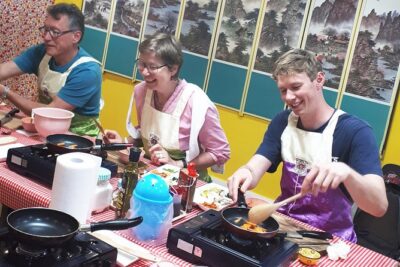
Local Home Korean Cooking Class & Market Adventure in Seoul
Read our review →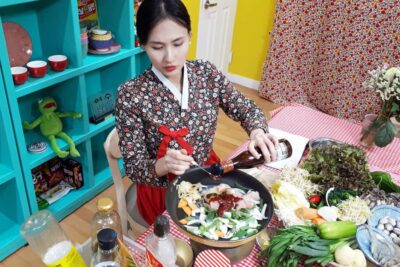
Korean Cooking Class at a Local Home and Market Tour
Read our review →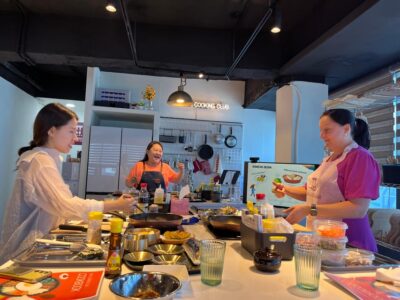
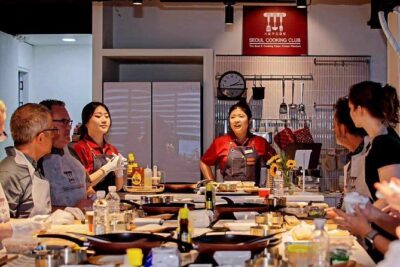
Korean Cooking Class with Grocery Shopping at Seoul Local Market
Read our review →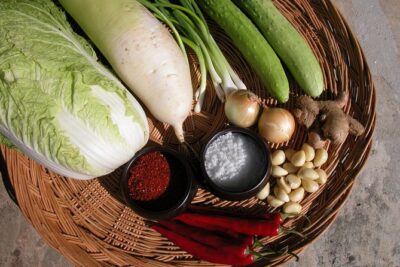
Korean Kimchi Making Day Experience with a Local Market Tour
Read our review →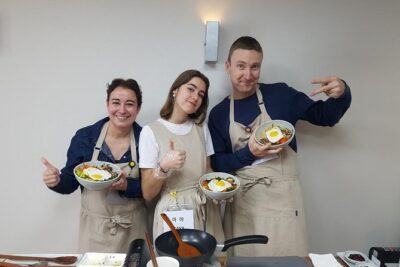
Royal Seoul Cooking Class in a 100-Year-Old Hanok
Read our review →Browse the lists this tour appears in