
Reviewed · UNESCO WORLD HERITAGE TOURS
From Seoul: 5-Day Tour of Korea with UNESCO Sites
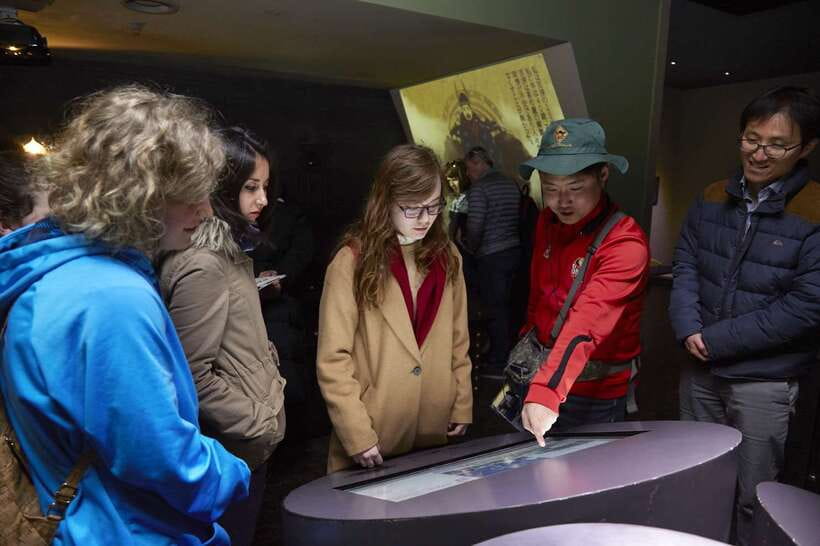
Ancient Korea comes with a packed schedule. I like the way this five-day trip links UNESCO sites in Gongju, Gyeongju, Andong, and Mt. Seorak with everyday places such as Busan’s Jagalchi Fish Market. I also like that experienced guides such as Justin and Mr. Kim have earned strong praise for keeping the long route moving. The tradeoff is clear: you cover a great deal of Korea, but several stops receive only a short visit.
This is a smart choice if you want a broad first look without arranging four hotels, transport, and entrance tickets yourself. The main caution is that the trip can feel rushed, and small changes matter. Suncheon Bay Garden closes monthly, Seoraksan access may be restricted in October, and some hotel rooms may face a road or parking area.
In This Review
- Five details that shape the experience
- Starting at Gwanghwamun and reaching Gongju
- Jeonju’s traditional setting before Gwangju’s modern memory
- Suncheon Bay Garden and Yeosu’s Admiral Yi connection
- Jinjuseong Fortress and the move to Busan
- Gyeongju’s Seokguram Grotto and Bulguksa Temple
- Andong Hahoe Village and a preserved Joseon setting
- Pyeongchang and the final mountain day
- What the $999 price really covers
- Who should choose this five-day route?
- Should you book it?
- FAQ
- Where does the tour begin in Seoul?
- Where does the tour finish?
- How many nights of accommodation are included?
- Are meals included?
- Is transportation included?
- Which languages are available?
- Can I visit the cable car at Mt. Seorak?
- Can Mt. Seorak be skipped in October?
Five details that shape the experience
- Four nights in different Korean destinations: You sleep in Jeonju, Yeosu, Gyeongju, and Pyeongchang, so this is a touring holiday rather than a stay in one base.
- UNESCO sites carry the historical weight: Gongju’s royal tomb and fortress, Gyeongju’s temple and grotto, Andong Hahoe Village, and Mt. Seorak give the route real substance.
- The route reaches far beyond Seoul: You see democratic memorials in Gwangju, Admiral Yi Sun-sin sites in Yeosu, seafood culture in Busan, and mountain scenery in the northeast.
- Meals are mostly your responsibility: Hotel breakfasts are included, but lunch and dinner are not, giving you freedom while adding a daily planning task.
- October needs special attention: Seoraksan may be skipped because buses can be restricted, with a 3.6-kilometer walk required from the parking area to the entrance.
- The score is strong, but the pace is demanding: A 4.8 rating from 22 reviews reflects good organization and hotels, while also pointing to the need for realistic expectations about time.
Starting at Gwanghwamun and reaching Gongju
Your meeting point is the Donghwa Duty Free Shop Building at the Gwanghwamun intersection. From Exit 6 of Gwanghwamun Station, look for the guide holding a K-shuttle sign. There is no hotel pickup in Seoul, so you need to get yourself to this departure point.
The first stop is Gongju, one of the key places for understanding the Baekje period. At the Tomb of King Muryeong, you see a UNESCO-listed royal burial site connected with the ancient Baekje kingdom. The stop is valuable because it gives the rest of the tour an early historical anchor, rather than starting with only modern Seoul attractions.
Gongsanseong Fortress follows. Its walls and elevated position connect the city to military defense and royal power. You will walk outdoors, often on sloping or uneven ground, so comfortable shoes are not just a polite suggestion. The two Gongju stops are a good pairing: one concerns royal burial customs, the other protection and government.
After Gongju, the coach continues to Jeonju. Your hotel is near Jeonju Hanok Village, with the listed accommodation being Jeonju Ramada Hotel or a similar property. Staying close to the hanok area is useful because it places traditional Korean homes and streets within easy reach, although the exact amount of free evening time depends on the group schedule and traffic.
More UNESCO sites in Seoul:
- Day Trip to UNESCO: Suwon Fortress Adventure from Seoul
★ 5.0 · 56 reviews - DMZ Tour, 2nd Tunnel & UNESCO Suspension Bridge Tour from Seoul
★ 5.0 · 48 reviews - Namhansanseong UNESCO Historical Sites and Korean Folk Village-Private Tour
★ 5.0 · 29 reviews
Jeonju’s traditional setting before Gwangju’s modern memory
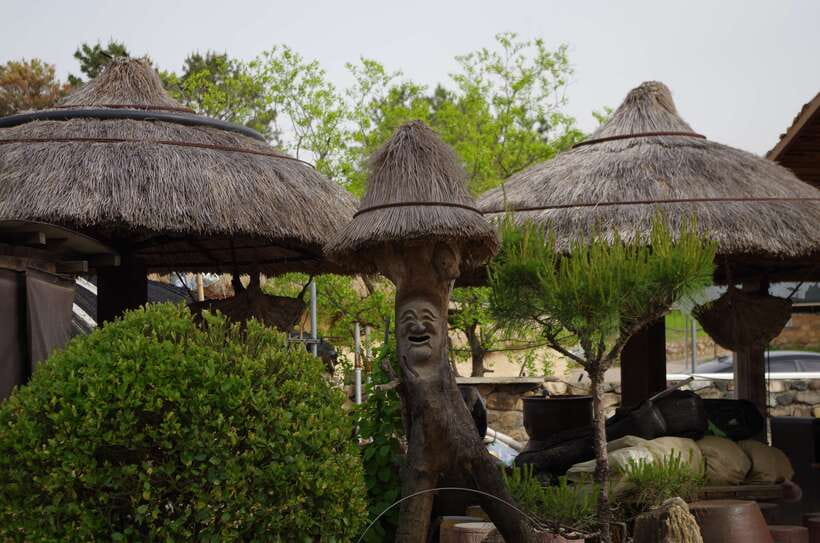
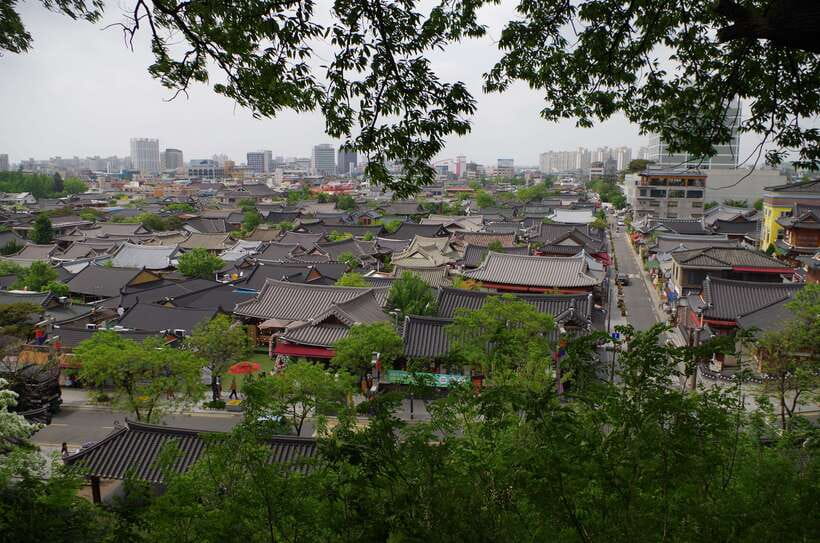
Jeonju is not presented as a long guided walking tour here, but the hotel location gives you a chance to experience the character of Hanok Village around your own schedule. Traditional tiled roofs and preserved housing make this a welcome change after a day spent at fortifications and tombs.
Breakfast is included each morning. That helps on an early departure, but you should not expect lunch and dinner to be covered. Bring enough Korean won before leaving Seoul. Currency exchange can be difficult during the trip, especially when the coach is moving between smaller destinations.
Day two shifts from royal and architectural history to the story of Korea’s modern democratic movement. In Gwangju, you visit the May 18th National Cemetery. This is a serious, reflective stop, not a quick photo opportunity. It gives you historical context for the sacrifices connected with the May 18 movement and adds moral weight to the trip’s otherwise scenic route.
I appreciate this contrast. A good Korea tour should not reduce the country to palaces, temples, and pretty streets. Gwangju shows you a more recent chapter, and the cemetery asks for quiet attention.
Suncheon Bay Garden and Yeosu’s Admiral Yi connection
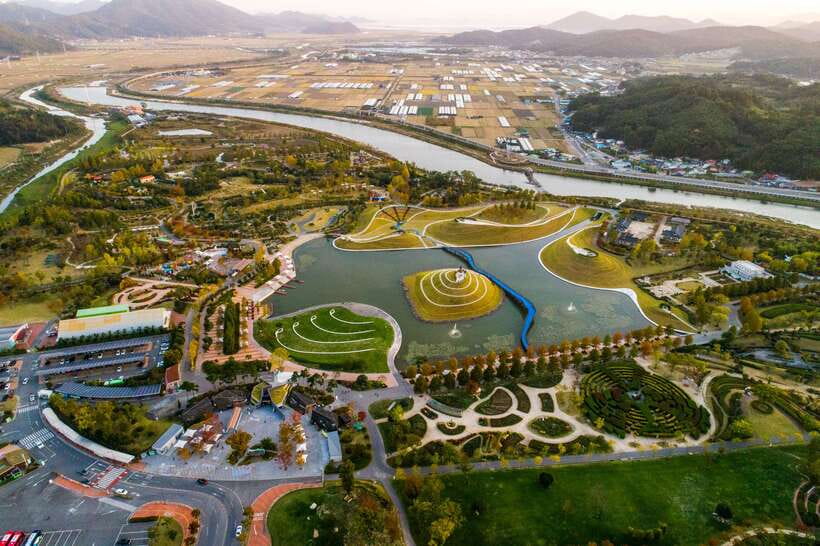
The next stop is Suncheon Bay Garden, a major change of mood after the cemetery. Its planted gardens and outdoor setting offer a slower visual break, though your time may be limited by the overall route. One practical warning deserves attention: the garden has a monthly closing day, and a closure is not always clearly communicated before departure. Check the operating date before you book if this stop is especially important to you.
The day ends in Yeosu, a port city with strong maritime associations. You walk along a historic path linked with Admiral Yi Sun-sin, the naval commander associated with Korea’s defense during the Japanese invasion of 1592. This stop works best when you connect the physical setting with the wider story of Korean military history.
You stay at the Ramada Plaza by Wyndham Yeosu or a similar hotel. The route gives you only one night here, so think of Yeosu as a focused introduction rather than a full coastal stay. You will see its historical side, but you should not expect a leisurely exploration of every waterfront attraction.
Jinjuseong Fortress and the move to Busan
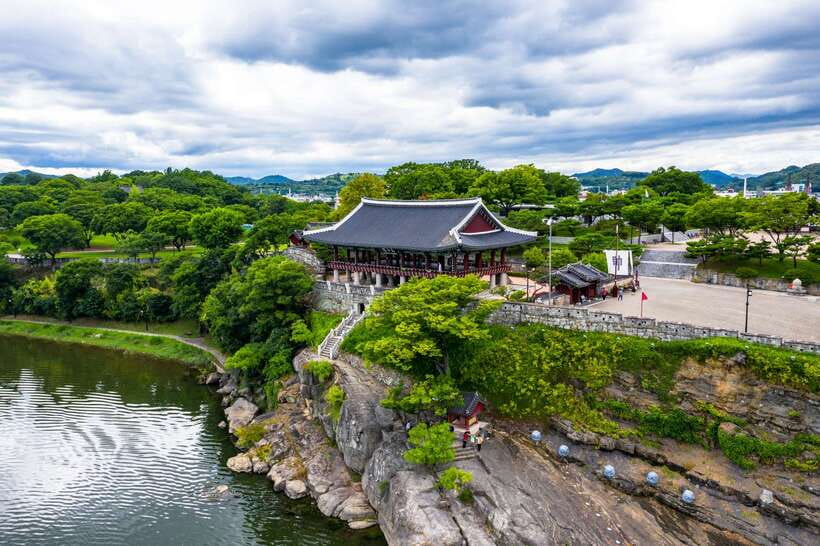
Day three begins at Jinjuseong Fortress and the Chokseoknu pavilion. The fortress is connected to the Japanese invasion of 1592, so it continues the military theme introduced at Gongsanseong and Yeosu. Seeing these sites across several days helps you understand how geography, fortifications, and maritime defense shaped Korean history.
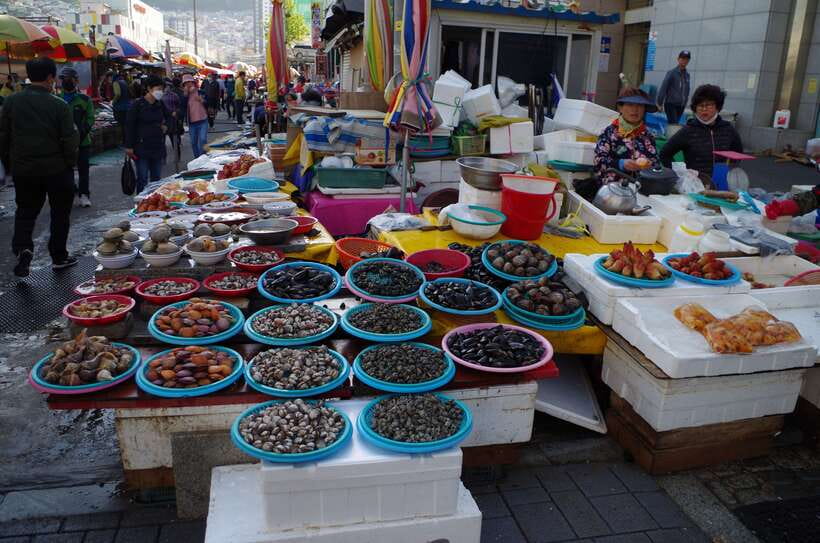
Then the coach moves to Busan. Jagalchi Fish Market is one of the route’s most grounded stops. It is Busan’s largest seafood market, and it shows the city through food, trade, and working waterfront culture rather than only through grand viewpoints. Lunch is not included, which gives you a chance to choose your own meal, but you should budget for it separately.
This is one of the places where independent eating can be fun and slightly awkward. The tour does not specify a restaurant or meal arrangement, so ask your guide how much time you have and where the group will regroup before you wander too far.
Haeundae Beach and Dongbaek Park provide a more polished side of Busan. The beach is one of the city’s best-known coastal views, while Dongbaek Park adds walking paths and a quieter setting. These stops are good for a change of pace after the market, though the schedule may not allow a long beach visit.
The evening transfer takes you to Gyeongju, where you check into the Gyeongju Commodore Hotel or a similar property. This is a sensible base for the next morning’s major sights.
A few more options to weigh up in Seoul
- Best DMZ Tour Korea from Seoul (Red Suspension Bridge Optional)
★ 5.0 · 41,422 reviews - DMZ Tour: 3rd Tunnel, Option(Suspension Bridge, Boat) from Seoul
★ 5.0 · 21,373 reviews - DMZ tour south Korea from Seoul (NK experience hall, defector)
★ 5.0 · 20,599 reviews - Seoul: DMZ Tour with Optional Suspension Bridge
★ 4.8 · 5,277 reviews
Gyeongju’s Seokguram Grotto and Bulguksa Temple
Day four is the historical centerpiece. Seokguram Grotto is a UNESCO site known for its Buddhist sculpture and mountain setting. The visit involves more than looking at a single object. The grotto, temple tradition, and setting together show the technical skill and spiritual ambition of the Silla period.
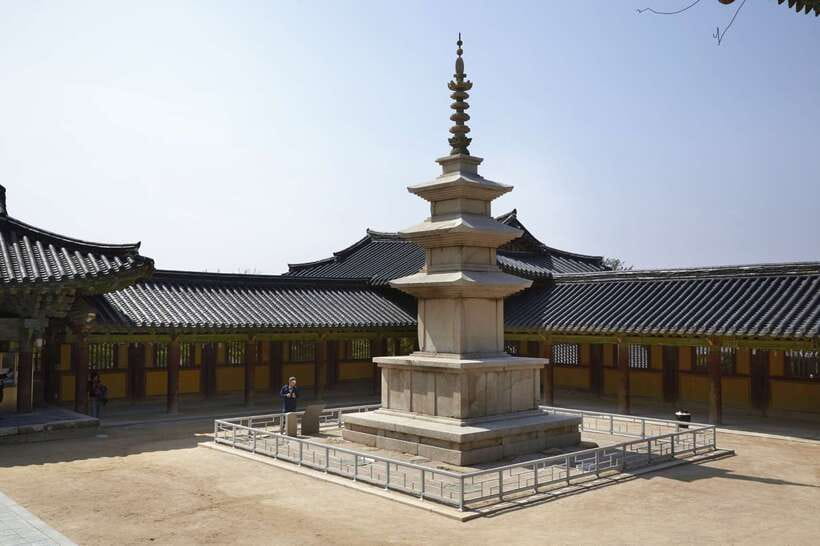
Bulguksa Temple follows. Its courtyards, stonework, and Buddhist design make it one of Korea’s essential heritage stops. The two sites belong together, but they also require attention to the clock. You are seeing major landmarks in a morning before heading north, so this is not the right tour for lingering over every detail or taking a long break.
I like the fact that the tour gives Gyeongju a full section rather than treating it as a drive-by stop. Still, the overall five-day plan means you will receive an introduction, not a complete study of the city’s many burial mounds, museums, and temples.
Andong Hahoe Village and a preserved Joseon setting
Andong Hahoe Folk Village offers a different kind of heritage. Instead of a fortress, tomb, or temple, you see preserved housing and village traditions associated with the Joseon Dynasty. It is described as a living museum, and the visit helps you picture how traditional Korean homes were arranged and used.
The village was also visited by Queen Elizabeth II, a detail that adds an unusual footnote to its modern fame. The main reason to value the stop, though, is its architecture and sense of continuity. You are looking at a place built around daily life, not only royal ceremony.
This is another outdoor visit, so good walking shoes matter. The route from Gyeongju to Andong and then onward to Pyeongchang also makes this one of the longest-feeling days. If you prefer slow meals, extended museum visits, and unplanned wandering, you may find the pace tiring.
Pyeongchang and the final mountain day
After Andong, you continue to Pyeongchang and stay at the Ramada Hotel PyeongChang or a similar property. The hotel provides a pause before the final day, but the trip remains structured. Breakfast is included, while dinner is your own expense.
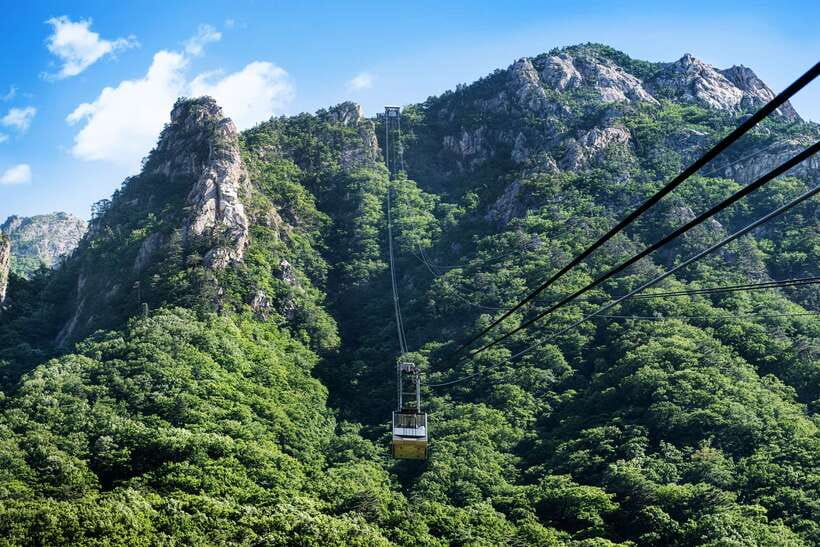
The final major stop is Mt. Seorak National Park, described as a UNESCO Biosphere Preservation District. Expect mountain valleys, jade-like water, and peaks rising into the clouds. The park supplies the strongest nature experience on the tour, balancing the many cultural and historical sites from earlier days.
An optional cable car ride goes toward Gwongeumseong Fortress. If operating and available, it can provide wider mountain views with less climbing than a full hike. The alternative is a visit to Shinheungsa Temple. Since the cable car is optional, you should be prepared to choose based on weather, queues, available time, and your interest in scenery or religious heritage.
October requires extra care. The national park may restrict tour buses, and you may need to walk 3.6 kilometers from the parking lot to the entrance. The visit could also be skipped. If Seoraksan is your main reason for booking, confirm the seasonal operating conditions before paying.
The coach returns to Gwanghwamun, with arrival scheduled for about 5:00 p.m. That makes the tour practical for continuing your Seoul plans, but do not schedule a tight onward train or flight. Road conditions and sightseeing delays can affect the return.
What the $999 price really covers
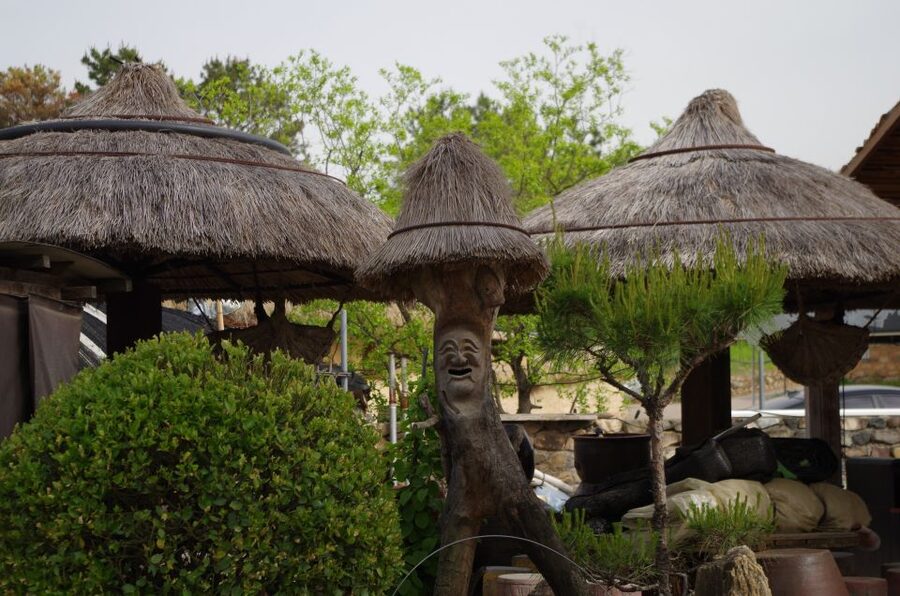
At $999 per person, the tour is not a bargain-basement bus trip, but the price has real value if you want the logistics handled. It includes four hotel nights, hotel breakfasts, an English-speaking guide, selected entrance tickets, and air-conditioned transportation across a large portion of South Korea.
Twin or triple sharing keeps the price lower. Solo travelers should confirm how room arrangements and any single supplement work before booking, since the listed rate is based on shared accommodation.
The largest saving is time and planning. You do not need to arrange long transfers between Gongju, Jeonju, Gwangju, Yeosu, Busan, Gyeongju, Andong, Pyeongchang, and Seoul. You also avoid the difficulty of deciding which heritage sites can fit into five days.
There are limits. Lunches, dinners, insurance, and Seoul hotel transfers are not included. Hotel quality has been praised, especially the breakfast buffets, but room category can affect the experience. Some rooms may face a road or parking area, and paying a little more for a better view may be worth considering if the option is offered.
The vehicle size can change with the number of bookings. That means your ride might be a larger coach or a smaller vehicle. Either way, expect substantial time on the road. The strength of this trip is the range of places covered, not long stretches of free time.
Who should choose this five-day route?
I would recommend it to a first-time visitor who wants to see more than Seoul and does not want to manage Korea’s intercity transport alone. It suits you if UNESCO sites, national history, coastal scenery, and traditional villages all appeal to you.
It is also a good fit for people who enjoy organized touring and early starts. The guides, including Justin and Mr. Kim, have received especially warm praise for their work, and strong organization matters on a route this ambitious.
I would hesitate to recommend it if you want a relaxed holiday. You may wish for more time in some places and less in others, a common result of fitting this much into five days. You also need to accept that a monthly closure, traffic problem, weather issue, or October restriction can change the plan.
Free cancellation is available up to three days before departure for a full refund. That is useful if your dates are flexible, particularly around Suncheon’s closing days and Seoraksan’s seasonal access.
Should you book it?
Book this tour if your priority is range. For $999, you receive a structured introduction to Korea’s royal sites, Buddhist heritage, democratic history, port culture, traditional homes, and mountain scenery, with hotels and transport arranged.
Skip it if you want to settle into one region or spend half a day at each major sight. The best way to enjoy this trip is to treat it as a fast, well-supported first chapter. Wear comfortable shoes, carry Korean won, check Suncheon’s closing date, and confirm the October Seoraksan plan. With those points handled, this is a strong choice for seeing Korea beyond Seoul in a short window.
FAQ
Where does the tour begin in Seoul?
Meet at the Donghwa Duty Free Shop Building at Gwanghwamun Intersection. It is near Exit 6 of Gwanghwamun Station, and the guide will hold a K-shuttle sign board.
Where does the tour finish?
The tour returns to Gwanghwamun in Seoul at approximately 5:00 p.m. on the fifth day.
How many nights of accommodation are included?
Four nights are included. The listed hotels are in Jeonju, Yeosu, Gyeongju, and Pyeongchang, or similar properties.
Are meals included?
Hotel breakfasts are included. Lunches and dinners are not included.
Is transportation included?
Yes. Air-conditioned transportation between the listed destinations is included. The vehicle size depends on the number of people joining.
Which languages are available?
The tour provides live guiding in English and Korean.
Can I visit the cable car at Mt. Seorak?
The cable car to Gwongeumseong Fortress is optional. Shinheungsa Temple is offered as an alternative visit.
Can Mt. Seorak be skipped in October?
Yes. Access may be restricted in October because buses may not enter the park. In that case, you may need to walk 3.6 kilometers from the parking area to the entrance, and the visit could be skipped.
Just added in Seoul
- Seoul: Korean & English Language Exchange Global Party★ 5.0 · 28 reviews
- Your Personal Seoul Photographer!★ 4.1 · 15 reviews
- You’re Invited to Our Home in Seoul: The Only Cooking Class!★ 5.0 · 8 reviews
- From Seoul: Yongpyong Ski Day Tour with Transportation★ 4.9 · 40 reviews
- From Seoul: Hwacheon Ice Fishing and Lighting Festival Tour★ 4.5 · 4 reviews
- Seoul: Gangneung BTS K-Pop & K-Drama Filming Locations Tour★ 4.6 · 14 reviews
- Unique Native Experience : Han River Picnic, Board game, BBQ★ 5.0 · 3 reviews
- Seoul: Euljiro Gastroventure Tour★ 4.0 · 1 review
UNESCO World Heritage Tours, compared.
Gyeongju UNESCO World Heritage Guided Day Tour
Read our review →
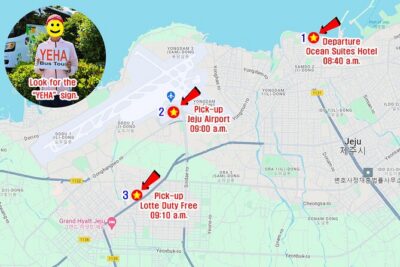
East Jeju Essentials – Seongsan Ilchulbong (UNESCO) & Haenyeo
Read our review →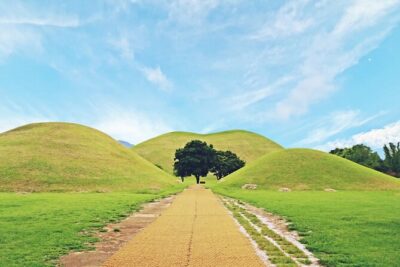
Gyeongju UNESCO World Heritage Guided Day Tour from Busan
Read our review →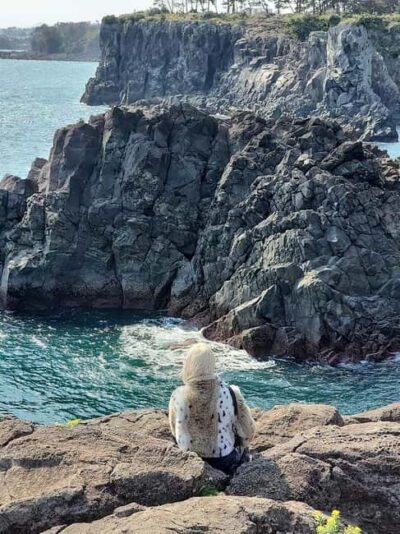
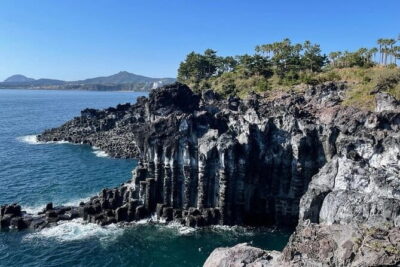
Jeju Southern UNESCO Full Day Tour with Mt.Halla
Read our review →
Gyeongju UNESCO sites Private tour with licensed tour guide
Read our review →
Private Gyeongju Tour – Explore Gyeongju UNESCO Sites
Read our review →Browse the lists this tour appears in