
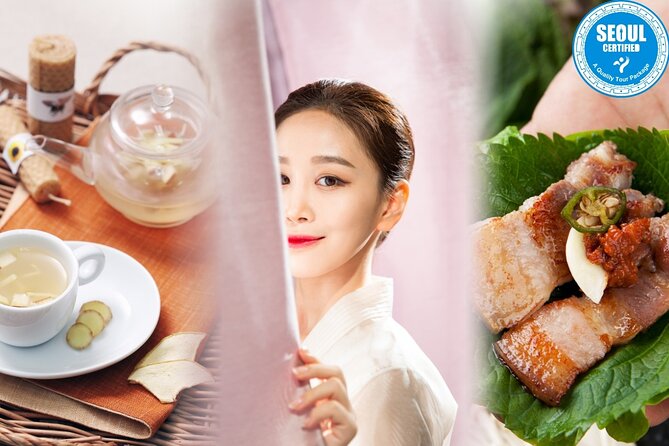
Reviewed · COOKING CLASSES
Korean Grandma Cooking Class l Gimbap & Kimchi Pancake l Seoul
Fold, roll, and eat your way through Seoul. This small cooking class takes you into a local home, where Grandma Sharon teaches you to make gimbap and kimchi pancakes using her own Korean cooking style. I like the home setting and the chance to prepare the food yourself, rather than simply watching a chef work.
I also like the warm pace: welcome tea, a look around the house, family stories, cooking, and a shared meal. The main consideration is the meeting point in Ui-dong, Gangbuk-gu, which may take more planning than a class in central Seoul. Still, the private format and patient instruction make this a strong pick for families and small groups.
In This Review
- Key Points About This Seoul Cooking Class
- Why This Cooking Class Feels Different
- Meeting Grandma Sharon at 11:00 a.m.
- Welcome Tea and a Look Around the House
- Rolling Your Own Gimbap
- Making Kimchi Pancakes With Grandma’s Kimchi
- Sharing the Meal and Stories
- Is $52 a Fair Price?
- Who Will Enjoy This Most?
- Practical Things to Know Before You Book
- How This Compares With a Regular Cooking School
- Should You Book This Seoul Cooking Class?
- FAQ
- Where does the Korean cooking class begin?
- What time does the class start?
- How long does the experience last?
- Where does the activity end?
- Which dishes will I make?
- Is this a private class?
- How much does the class cost?
- Is the meeting point near public transportation?
- Can I cancel for a full refund?
Key Points About This Seoul Cooking Class
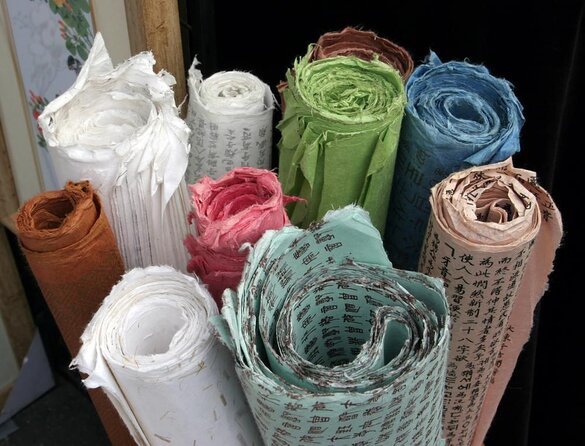
- Cooking in a real Korean home: You visit Grandma’s house and see everyday Korean living spaces rather than entering a commercial cooking school.
- Two classic dishes: You prepare your own gimbap and kimchi pancakes, then sit down to eat what you made.
- Grandma Sharon’s patient teaching: Her English is reported to be good, and her calm instruction worked well for children aged 9 and 11.
- A private group activity: Only your group participates, which gives the lesson a more personal feel.
- A 2.5-hour cultural visit: Tea, a home tour, cooking, stories, photos, and a meal all fit into the session.
- A useful family choice: The hands-on format kept two children engaged and became their favorite activity during the visit.
Why This Cooking Class Feels Different
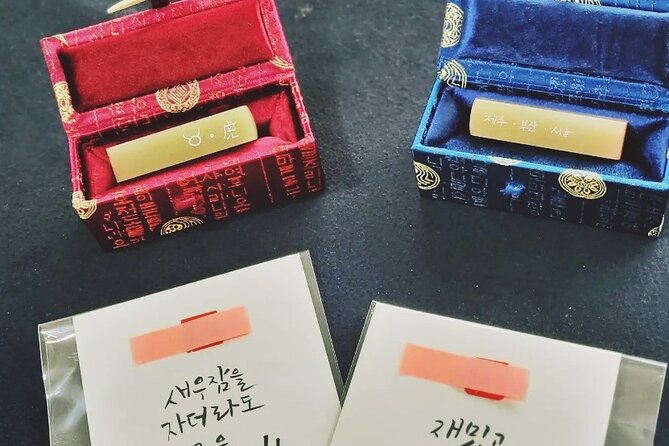
Many Seoul food classes take place in polished studios built for classes. This one takes place in a Korean grandmother’s home. That simple change affects the whole mood.
You begin by visiting a local house and seeing how people live, rather than walking straight into a worktable with bowls already lined up. Grandma introduces you to the home, Korean living spaces, and traditional kitchen arrangements. She may also point out family items and explain how the rooms are used.
I like this opening because it gives the food a setting. Gimbap is not just a colorful roll on a plate. Kimchi pancakes are not only a quick recipe to copy. They are part of ordinary Korean home cooking, and learning them in a family home helps connect the dishes to daily life.
The visit also supports a more personal style of tourism. Your payment goes toward a local, family-led activity rather than only a large commercial operation. That matters if you want your Seoul itinerary to include direct contact with local life.
More Cooking Classes in Seoul:
- Local Home Korean Cooking Class & Market Adventure in Seoul
★ 5.0 · 1,024 reviews - Master Korean traditional cooking with a Kimchi chef
★ 5.0 · 385 reviews - Seoul: Korean Cooking Class at a Local Home and Market Tour
★ 5.0 · 348 reviews
Meeting Grandma Sharon at 11:00 a.m.
The class begins at 11:00 a.m. at Meritz Fire and Marine Insurance Training Center, 92 Ui-dong, Gangbuk-gu, Seoul. The activity ends back at the same meeting point.
You should plan your route before the day of the class. The meeting point is near public transportation, but it is in Gangbuk-gu rather than one of the most familiar central tourist areas. Give yourself enough time to find the exact location and arrive ready for the 11:00 start.
The return to the same place keeps the logistics simple after the meal. You do not need to arrange a separate end point or guess where the class will finish.
The session lasts about two hours and 30 minutes. That is long enough for more than a quick recipe demonstration, but short enough to fit into a half-day plan. I would avoid scheduling a rushed museum visit or a distant appointment immediately afterward. The pace includes several parts, and the shared meal is part of the point.
Welcome Tea and a Look Around the House
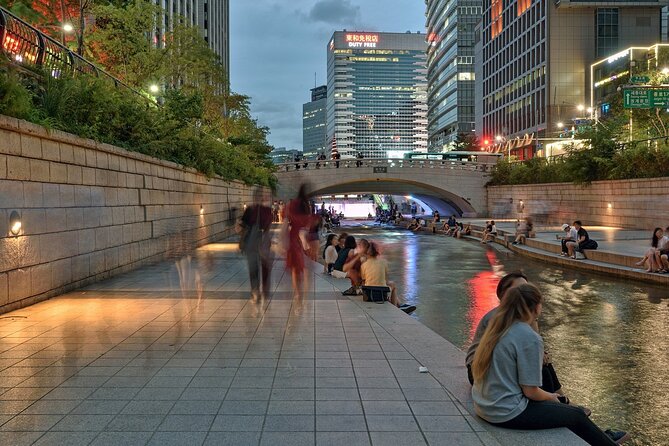
Once you arrive, Grandma serves welcome tea. This is a quiet way to settle in and meet the other people in your group before the cutting boards and ingredients appear.
The tea also creates space for conversation. You can get acquainted with Grandma and hear about the home before starting the practical work. For many people, these first few minutes will be as memorable as the recipes.
Next comes a short tour of the house. Grandma explains Korean living arrangements and traditional kitchen setups. The home itself becomes part of the lesson, giving you a glimpse of local life that a standard cooking studio cannot copy.
The tour is not described as a long architectural visit, so you should think of it as an introduction rather than a formal house museum. Its value comes from ordinary details: how rooms are arranged, how the kitchen functions, and how family life fits into the space.
Rolling Your Own Gimbap
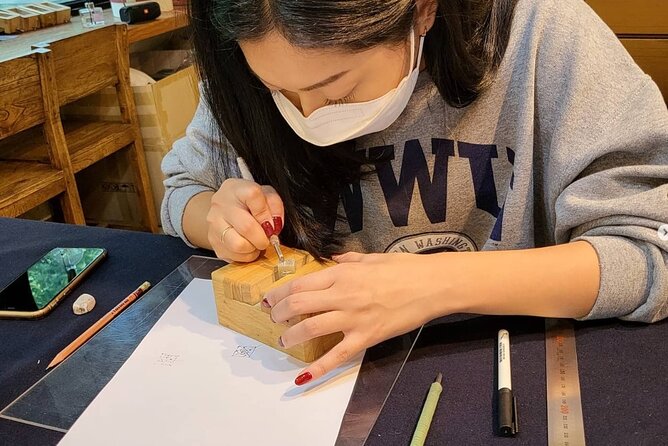
Gimbap is the first main cooking activity. Grandma shows you how to make it in a Korean home-style manner, then you prepare your own roll.
The hands-on element is important. You are not simply watching an expert slice a finished roll. You get to follow the process, handle the ingredients, and see how the roll comes together. That makes the lesson useful after you return home, even if your first roll is a little less tidy than Grandma’s.
Gimbap also works well for a mixed-age group. Children can take part in the assembly, and adults have enough technique to learn without needing professional kitchen skills. A family with children aged 9 and 11 found the class especially engaging, with both children naming it their favorite activity.
Grandma’s patience is a major part of that success. Cooking instructions can feel rushed when a class has a large group, but this activity is private, so your group receives the attention. You can ask for help as you work instead of trying to copy a demonstration from the back of a crowded room.
More workshops in Seoul:
- Yongpyong Ski Resort from Seoul with Optional Lesson and Packages
★ 5.0 · 217 reviews - Korean Cooking Class with Grocery Shopping at Seoul Local Market
★ 5.0 · 107 reviews - Royal Seoul Cooking Class in a 100-Year-Old Hanok
★ 5.0 · 81 reviews - Seoul : Taste of Korea, Authentic Home-Style Cooking Class
★ 5.0 · 64 reviews
Making Kimchi Pancakes With Grandma’s Kimchi
The second dish is kimchi pancake. Grandma lets you taste her kimchi and then teaches you how to turn it into a savory pancake.
This gives you two experiences in one. You taste a Korean staple as Grandma serves it, then use it in a hot dish that you prepare yourself. The contrast helps you notice how an ingredient changes when it becomes part of a pancake.
The cooking remains practical rather than showy. You learn the basic process and then eat the result with the rest of your group. The class description does not provide a full ingredient list or recipe sheet, so you should not book it expecting a detailed professional cooking course with extensive take-home materials.
Instead, the strength is personal instruction. Grandma’s family approach gives the dish a story and a sense of place. You are learning the kind of food that might appear at a Korean family table, not an elaborate restaurant tasting menu.
Sharing the Meal and Stories
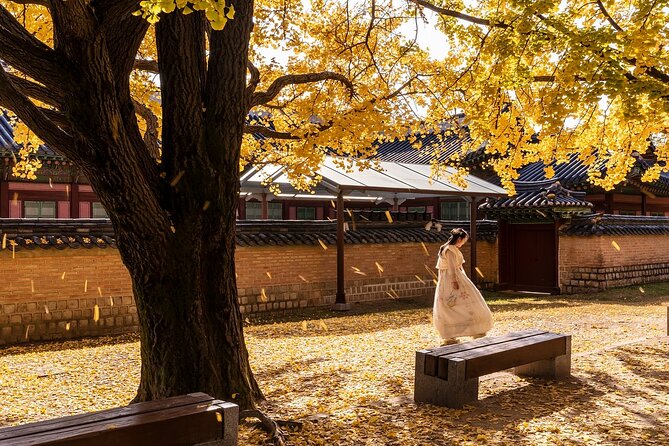
After the cooking, everyone sits together to eat the gimbap and kimchi pancakes. This shared meal is the natural finish to the class. You see the results of your work, compare your rolls, and enjoy the food while it is still part of the afternoon’s conversation.
The meal also creates time for stories. You can talk with Grandma and the rest of your private group, share your own experiences, and ask questions about Korean home life. The class encourages a personal connection rather than treating the kitchen as a quick stop.
A photograph with Grandma is also part of the experience. That gives you a simple memento of the visit and helps mark the human side of the activity.
The food may be the reason you book, but the conversation is what gives the class its lasting character. If you prefer to eat quickly and move on, the slower shared-table style may feel less efficient. If you value meeting a local host, it is one of the strongest parts of the morning.
Is $52 a Fair Price?
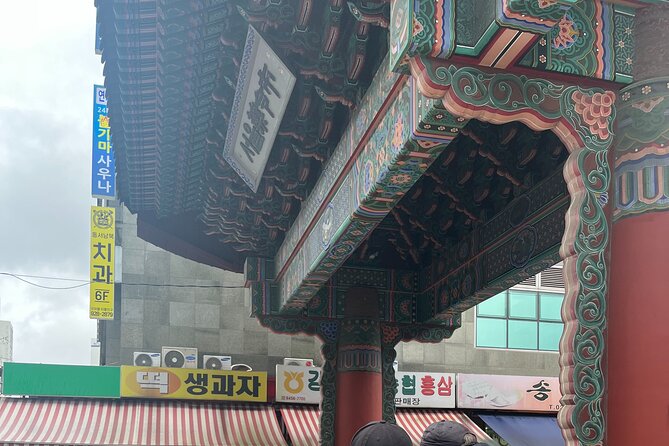
At $52 per person, this is not the cheapest way to eat gimbap in Seoul. You could buy prepared food for much less. The price makes more sense when you count the full experience: a private class, a visit to a local home, welcome tea, instruction for two dishes, a shared meal, stories, and a photo with Grandma.
The private format is especially important. Only your group participates, so you are not placed in a large class with strangers. That can make the cost reasonable for families, couples, or friends who want a focused activity and personal attention.
I would consider the price good value if you care about cultural contact and want to take part in the preparation. It is less compelling if you only want a meal or a quick cooking demonstration.
The class is also a way to support a local host directly. You are paying for time, teaching, food, and access to a personal setting. That is a different kind of value from a restaurant meal, and it fits well into an itinerary built around everyday Seoul rather than only major attractions.
Who Will Enjoy This Most?
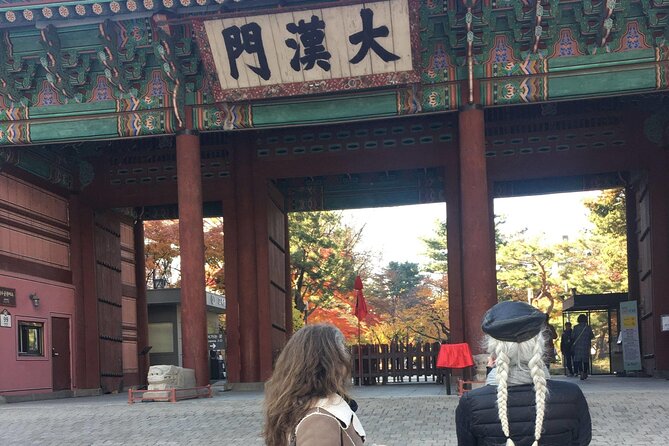
This class suits families particularly well. The experience with children aged 9 and 11 shows that the activities can hold younger attention, especially because they get to make their own food. Gimbap assembly and pancake preparation give children clear tasks rather than asking them to sit through a long lecture.
Small groups of friends should also find the private setup appealing. You can cook together, share stories, and take photos without being part of a large public class.
It is a good match for first-time visitors who want a gentle introduction to Korean food and home life. You do not need to know much about Korean cooking before arriving. Grandma guides the process, and the dishes are familiar enough to make the lesson approachable.
Couples may enjoy the personal atmosphere, though the class has a family and group-friendly feel rather than a formal romantic setting. Solo participants should check the booking arrangement carefully, since the activity requires a minimum number of participants and is designed as a private group experience.
Practical Things to Know Before You Book
Confirmation arrives within 48 hours of booking, subject to availability. Since the class is popular and is booked an average of 108 days ahead, I would reserve early if your Seoul dates are fixed.
The activity is offered with a mobile ticket, which makes it easy to keep the booking on your phone. You still need to pay attention to the meeting location and start time. The class begins at 11:00 a.m., and the end point is the original meeting point.
Most people can participate, and the activity is near public transportation. Specific accessibility details are not provided, so anyone with mobility concerns should confirm the practical arrangements before booking.
Free cancellation is available up to 24 hours before the start time for a full refund. Changes or cancellations made less than 24 hours before the start time are not accepted for a refund. The local time in Seoul controls the cut-off.
The activity also requires a minimum number of participants. If that minimum is not met, you will be offered another date or experience, or receive a full refund.
How This Compares With a Regular Cooking School
A commercial cooking school may offer more recipes, printed materials, or a purpose-built kitchen. This class focuses on something else: the host, the home, and the connection between food and daily life.
You will make only two dishes, gimbap and kimchi pancake. That narrower menu is useful because it leaves time for instruction and conversation. You are not racing through five recipes and forgetting most of them by dinner.
The home setting can also feel less polished than a professional studio. You should book this for warmth and authenticity, not for a highly staged culinary production. The tradeoff is clear: fewer dishes, more personal contact.
Grandma Sharon’s English is described as good, and her patience helped communication go smoothly. That is reassuring if you do not speak Korean. Still, a cooking class includes gestures, demonstrations, and hands-on work, so you should be comfortable learning through a mix of spoken instruction and showing by example.
Should You Book This Seoul Cooking Class?
I recommend it if you want a personal, family-friendly activity that connects Korean food with everyday home life. The best reasons to book are the private setting, Grandma Sharon’s patient teaching, and the chance to make and eat your own gimbap and kimchi pancakes.
Think carefully about the location in Ui-dong and the $52 price. This is not a bargain meal, and it is not in the middle of Seoul’s most familiar tourist zone. But if you value a local host, a relaxed pace, and a story to carry home with your recipe, the cost earns its place in your itinerary.
FAQ
Where does the Korean cooking class begin?
It begins at Meritz Fire and Marine Insurance Training Center, 92 Ui-dong, Gangbuk-gu, Seoul, South Korea.
What time does the class start?
The class starts at 11:00 a.m.
How long does the experience last?
It lasts approximately two hours and 30 minutes.
Where does the activity end?
The activity ends back at the original meeting point.
Which dishes will I make?
You will make gimbap and kimchi pancakes.
Is this a private class?
Yes. Only your group participates in the activity.
How much does the class cost?
The listed price is $52 per person.
Is the meeting point near public transportation?
Yes. The meeting point is described as being near public transportation.
Can I cancel for a full refund?
Yes. You can cancel at least 24 hours before the start time for a full refund. Cancellations or changes made less than 24 hours before the start time are not accepted for a refund.
Just added in Seoul
- Seoul: Korean & English Language Exchange Global Party★ 5.0 · 28 reviews
- Your Personal Seoul Photographer!★ 4.1 · 15 reviews
- You’re Invited to Our Home in Seoul: The Only Cooking Class!★ 5.0 · 8 reviews
- From Seoul: Yongpyong Ski Day Tour with Transportation★ 4.9 · 40 reviews
- From Seoul: Hwacheon Ice Fishing and Lighting Festival Tour★ 4.5 · 4 reviews
- Seoul: Gangneung BTS K-Pop & K-Drama Filming Locations Tour★ 4.6 · 14 reviews
- Unique Native Experience : Han River Picnic, Board game, BBQ★ 5.0 · 3 reviews
- Seoul: Euljiro Gastroventure Tour★ 4.0 · 1 review
Cooking Classes, compared.
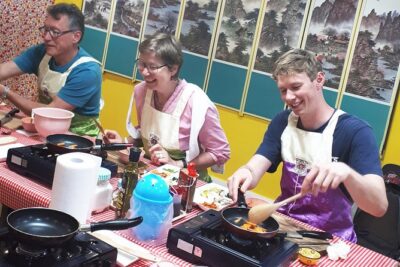
Local Home Korean Cooking Class & Market Adventure in Seoul
Read our review →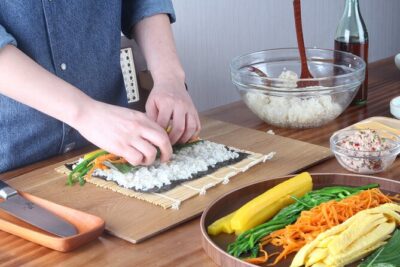
Master Korean traditional cooking with a Kimchi chef
Read our review →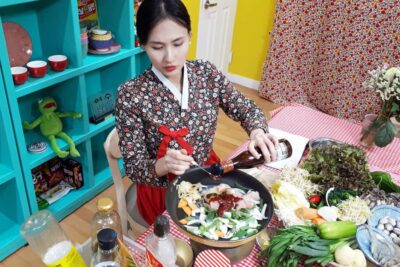
Korean Cooking Class at a Local Home and Market Tour
Read our review →
Korean Cooking Class with Grocery Shopping at Seoul Local Market
Read our review →
Korean Kimchi Making Day Experience with a Local Market Tour
Read our review →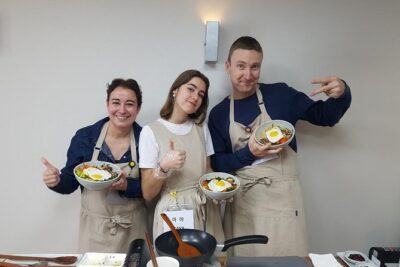
Browse the lists this tour appears in