
Reviewed · HISTORICAL TOURS
Korean History & Heritage Tour
Seoul’s old heart rewards slow looking. This private Gangbuk tour links a royal palace, folk museum, hanok village, temple, stream, artists’ quarter, and market in one well-planned day. I like the mix of grand landmarks and ordinary city life, and I like having an air-conditioned vehicle and hotel pickup instead of piecing together seven stops alone. The main drawback is that lunch is not included, and the quality of the day depends heavily on your assigned guide.
I especially like the way the tour connects Joseon royal life with Korean family customs, religious practice, shopping, and street food. Guides Michael and Judy earned especially warm praise for their friendly, personal approach. Still, one serious complaint described a private car tour becoming mostly a walking tour, so I would confirm the vehicle arrangement and walking plan before setting out.
In This Review
- Key things to know before booking
- A practical way to see Seoul’s traditional north side
- Gyeongbokgung Palace and the morning guard ceremony
- National Folk Museum: Korean life from birth to the afterlife
- Bukchon Hanok Village, where the historic setting is still residential
- Insadong, from royal commissions to souvenir hunting
- Jogyesa Temple and the Buddhist side of Korean culture
- Cheonggyecheon Stream, a calmer walk through the city
- Kwangjang Market and the best chance for a food break
- What the guide and vehicle add to the day
- Who gets the best value from this Seoul heritage tour
- Should you book this private Gangbuk day?
- FAQ
- How long is the Korean History & Heritage Tour?
- How many people can join the private tour?
- Is hotel pickup included?
- Is lunch included in the price?
- Are entrance fees included?
- Is transportation provided during the tour?
- Can I cancel for a full refund?
Key things to know before booking
- Seven Gangbuk stops in about seven hours: You move from Gyeongbokgung Palace and the National Folk Museum to Bukchon, Insadong, Jogyesa Temple, Cheonggyecheon Stream, and Kwangjang Market.
- A private group of up to six: The $475 price covers the group, not each person, making the value much better for four to six people.
- Free pickup anywhere in Seoul: Pickup and drop-off are included within Seoul. A pickup in Gyeonggi Province adds $50.
- The palace ticket costs extra: Gyeongbokgung admission is not included, while the other listed stops are free.
- Food is part of the setting, not the price: Lunch is not included, but the final market stop gives you a good chance to buy Korean comfort food.
- Guide quality matters: Michael received praise for cultural explanations and a restaurant recommendation, while Judy was praised for patience, friendliness, and a comfortable car ride.
A practical way to see Seoul’s traditional north side
This tour works because it keeps you in and around Gangbuk, the part of Seoul where royal buildings, old neighborhoods, temples, museums, and long-standing markets sit within a manageable route. You are not spending the whole day crossing the city. Instead, the day moves through different layers of Korean life.
The start time is 9:00 a.m., and the full experience lasts about seven hours. The listed sightseeing time adds up to roughly four hours, leaving room for driving, short transfers, explanations, and a meal break. Since lunch is not included, you should ask your guide when and where the meal stop will happen.
For a private group, the format is easy to adjust. If you want more time at the palace, less time shopping, or a slower pace in Bukchon, you can discuss that with your guide. The vehicle is air-conditioned, which matters in Seoul’s summer heat, during rainy weather, or after several hours on foot.
The tour is priced at $475 for up to six people. For six, that works out to about $79 per person. For two, it is $237.50 each, which is a much higher cost than joining a large group. I see the strongest value for families or groups of friends who want a private guide, direct hotel transport, and a full day without handling the route themselves.
More History Tours in Seoul
- Seoul: Evening Dark History, Folklore & Ghost Story Walking Tour
★ 5.0 · 593 reviews - Hanbok Photoshoot and History Tour at Gyeongbokgung Palace
★ 5.0 · 276 reviews - From Seoul: Dae Jang Geum Park Historic K-Drama Set Tour
★ 4.9 · 143 reviews
Gyeongbokgung Palace and the morning guard ceremony
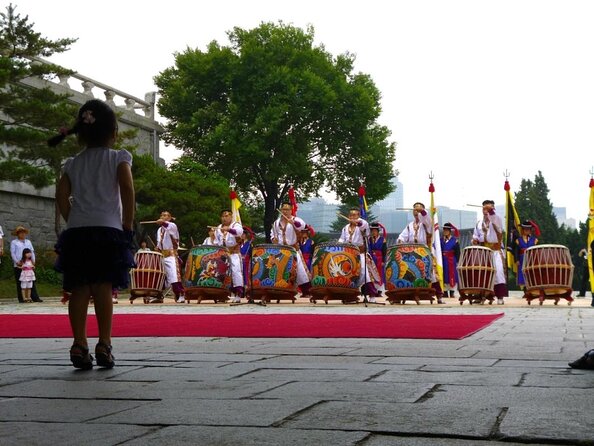
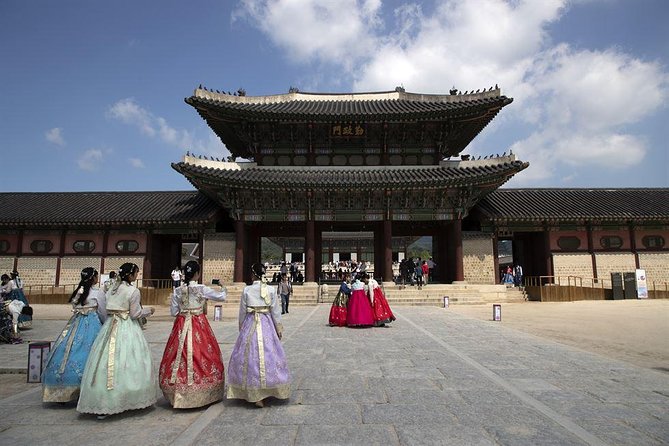
The day begins with Gyeongbokgung Palace, Seoul’s grand royal complex and the clearest place to picture the Joseon court. The visit includes the Changing of the Guard Ceremony, followed by time to go farther into the palace grounds and look at the buildings where the king and court lived and worked.
The ceremony gives you a strong visual opening: formal movement, historic dress, and the palace gates as a backdrop. The real value, though, comes from the guide’s explanation of how the buildings functioned and how royal life was arranged. Without context, the palace can feel like a long series of beautiful courtyards. With a good guide, the architecture becomes a record of rank, ritual, and daily routine.
The scheduled visit is about 45 minutes. That is enough for an introduction and a focused walk, but it is not a long, unhurried palace study. Admission is not included, so budget for the entry fee separately. If the guard ceremony is your priority, ask your guide to confirm the timing when you book, since the experience begins at 9:00 a.m. and the exact ceremony schedule is not supplied here.
National Folk Museum: Korean life from birth to the afterlife
Inside the palace area, the National Folk Museum of Korea shifts attention from kings to ordinary people. The planned 30-minute visit follows the course of a Korean life, from birth through adulthood and death, and even considers beliefs about the afterlife.
That focus makes this stop important. Palaces show how rulers lived, while a folk museum helps explain customs that shaped households and communities. You get a more grounded picture of ceremonies, family expectations, and beliefs connected with major stages of life.
Thirty minutes is brief, so expect a guided overview rather than a complete museum visit. I would stay close to your guide and ask questions about any display that catches your eye. Admission is listed as free, which keeps this stop simple and useful even for visitors watching their spending.
Bukchon Hanok Village, where the historic setting is still residential
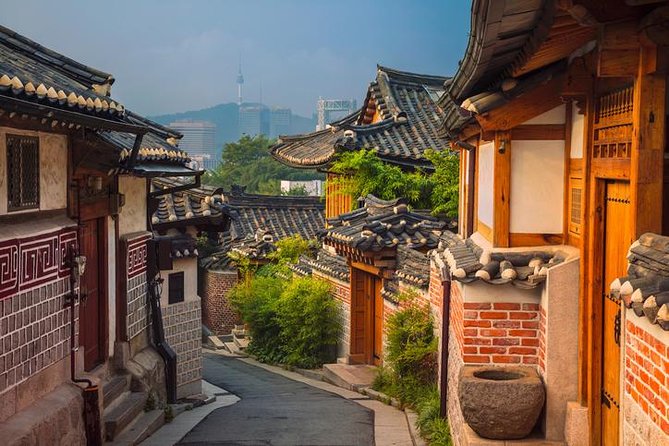
Bukchon Hanok Village brings you into a traditional Korean neighborhood where people still live. Its appeal comes from the contrast between old-style homes and modern Seoul nearby. You are not walking through a museum set. You are seeing a residential area with an active community.
The planned visit lasts about 40 minutes. That is enough to see the character of the neighborhood and hear why the homes matter, though it may feel short if you want to wander every lane. Since residents live here, follow your guide’s advice about quiet behavior and photography.
This stop also brings the most obvious walking concern. Bukchon is best understood on foot, and the streets may include slopes or uneven sections. The tour is listed as suitable for most people, but you should tell the guide if your group needs a slower pace. The vehicle makes the wider route easier, but it does not remove the walking between sights.
A completely different kind of day:
- Best DMZ Tour Korea from Seoul (Red Suspension Bridge Optional)
★ 5.0 · 41,422 reviews - DMZ Tour: 3rd Tunnel, Option(Suspension Bridge, Boat) from Seoul
★ 5.0 · 21,373 reviews - DMZ tour south Korea from Seoul (NK experience hall, defector)
★ 5.0 · 20,599 reviews - Seoul: DMZ Tour with Optional Suspension Bridge
★ 4.8 · 5,277 reviews
Insadong, from royal commissions to souvenir hunting
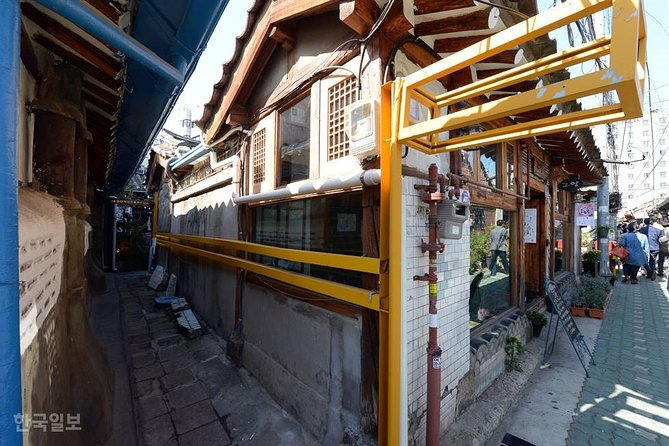
Insadong is the tour’s bridge between court culture and present-day shopping. The guide presents it as the former guild area where artists and designers produced work commissioned by the king. Today, the streets are known for antiques, crafts, and Korean souvenirs.
The 45-minute stop gives you time to walk, browse, and get a feel for the area without turning the entire day into a shopping trip. I like this balance. You can connect the objects sold today with older artistic traditions, then decide if anything deserves space in your luggage.
Keep your expectations practical. This is not a quiet historical quarter from start to finish. It is a commercial area, so the experience depends partly on what interests you. If you want to buy gifts, ask your guide for suggestions. If you prefer architecture and history, make clear that you would rather keep moving.
Jogyesa Temple and the Buddhist side of Korean culture
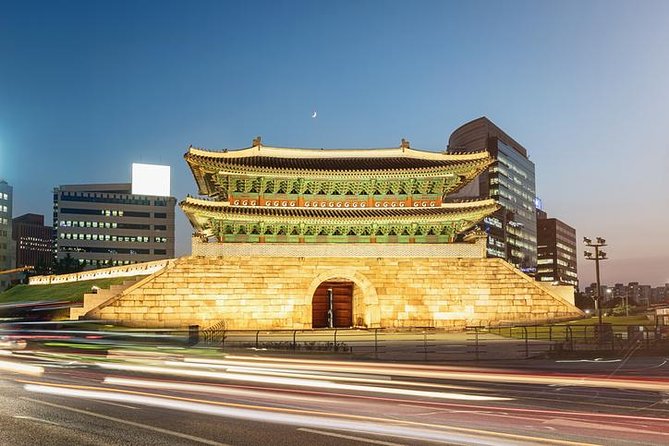
At Jogyesa Temple, the focus turns to Buddhism, once the national religion of Korea. The visit is scheduled for about 20 minutes, making it a short but meaningful pause between the commercial energy of Insadong and the open walkway beside Cheonggyecheon Stream.
A temple visit can be easy to rush through, but the setting is useful because it adds a religious layer to the day. You have already considered royal government, family customs, and artistic production. Here, you see a place connected with worship and Buddhist tradition.
Twenty minutes does not allow a long religious or architectural study. Treat it as an introduction. Dress and behave respectfully, and listen for the explanation of how the temple fits into Korean history. The stop is free.
Cheonggyecheon Stream, a calmer walk through the city
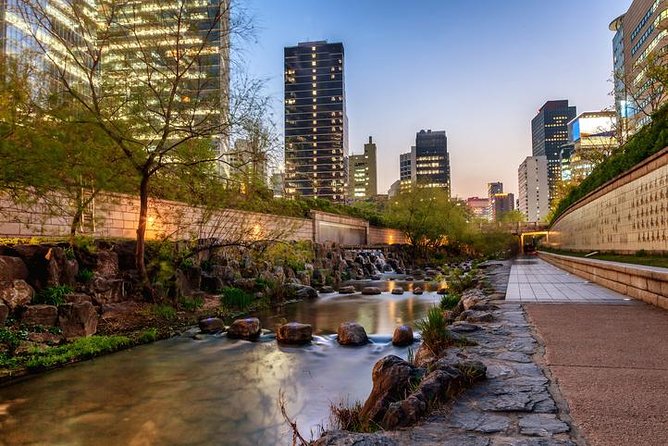
Cheonggyecheon Stream offers a change of pace. The tour allows about 30 minutes to walk beside the water and hear the stories connected with the stream. It is a pleasant contrast to palace courtyards, narrow village lanes, and market stalls.
This stop is less about a single monument and more about the way Seoul has shaped public space. The stream gives you a place to walk while the guide explains its background. It also breaks up the day with a more open route and a chance to rest your eyes.
The exact stories and amount of walking will depend on the guide. If you are carrying shopping bags from Insadong, this is a good time to keep them manageable. The stop is free, and no special planning is needed beyond comfortable shoes.
Kwangjang Market and the best chance for a food break
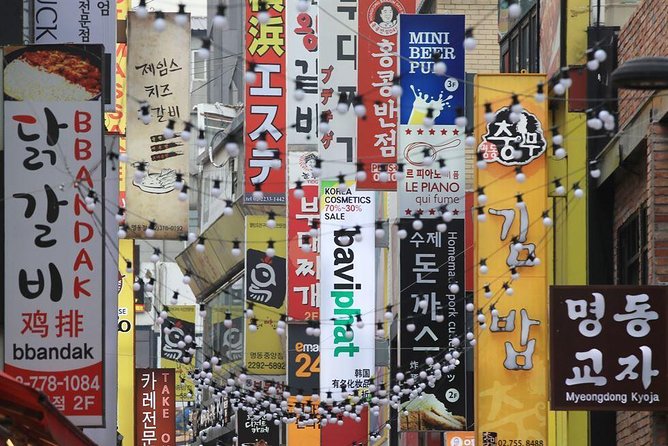
The final stop is Kwangjang Market, described as about 600 years old. It began with linens for special occasions and later became a major place for Korean comfort food and street-food carts. The planned visit lasts around 30 minutes.
I like ending here because the market brings the tour back to daily life. The palace explains royal order. The museum explains family customs. The market shows how people eat, shop, and gather in a more immediate way.
Lunch is not included, so this is the obvious place to ask about food. Thirty minutes may be enough for a snack or a quick meal, but not for a long, relaxed tasting session. If you want to eat here, tell your guide early in the day. One especially praised day included a stop at a favorite restaurant for ginseng black chicken, so a guide may be able to suggest a meal beyond the market as well. That restaurant is not guaranteed, and lunch remains your own expense.
What the guide and vehicle add to the day
The strongest praise centers on the human side of the experience. Michael was credited with explaining Korean life, history, and culture in a personal way, and with taking a couple to a favorite restaurant. Judy was praised for being friendly and patient, especially while walking, and for providing a comfortable car ride.
Those details matter more than a polished route. Seoul’s heritage sites are easy to reach by public transportation, but a guide can explain why a palace gate differs from a village home, or how a temple fits into the country’s past. The private format also lets you ask questions without holding up a large group.
The vehicle should be treated as a useful transfer service, not a guarantee that every step is driven. Most stops naturally require walking once you arrive. One serious complaint described the car being parked far away after the first stop, with the guest feeling that a paid private car tour had turned into a walking tour. I cannot resolve that dispute, but I would ask two direct questions before departure: how much driving is planned between stops, and where will the car meet us after each visit?
That small conversation can prevent a mismatch in expectations. If you want a mostly vehicle-based day, say so. If you are happy to walk through Bukchon, Insadong, the temple area, and the stream, the route makes more sense.
Who gets the best value from this Seoul heritage tour
I would choose this tour for a first visit to Seoul when you want a strong introduction to traditional culture in one day. It suits families, couples, and groups of friends who value a private guide and hotel pickup more than the lowest possible price.
The tour also fits people who like variety. You are not spending seven hours in one palace or museum. You get architecture, family customs, a residential district, art and shopping, religion, public space, and food culture.
I would be more cautious if your main goal is a slow museum day, serious palace photography, or an extended food crawl. The schedule touches many places, but most visits are short. You may leave with a broad understanding rather than a detailed study of any one site.
Comfortable shoes are sensible, and you should leave room in the day for traffic, walking, and lunch. Service animals are allowed, the tour is near public transportation, and most people can participate. Hotel pickup and drop-off are free within Seoul. Pickup outside Seoul but within Gyeonggi Province costs an additional $50.
Free cancellation is available if you cancel at least 24 hours before the local start time. Changes or cancellations made later are not accepted for a refund.
Should you book this private Gangbuk day?
Book it if you want Seoul’s traditional sights explained in a connected story, with the convenience of hotel pickup and a vehicle between neighborhoods. The strongest reasons are the variety of stops, the private group of up to six, and the chance to work with a guide such as Michael or Judy, whose personal approach received especially positive attention.
Think twice if $475 is too high for your group size, if you want lunch included, or if you dislike short visits and walking between sights. Before paying, confirm the vehicle plan, the palace admission cost, and how your guide handles the meal break.
For a group of four to six, this is a sensible way to cover Gangbuk in one day. For one or two people, the price is harder to justify unless private transport and personal explanations are central to your Seoul plans.
FAQ
How long is the Korean History & Heritage Tour?
The tour lasts approximately seven hours and begins at 9:00 a.m.
How many people can join the private tour?
The price covers one private group of up to six people. Only your group participates.
Is hotel pickup included?
Yes. Free pickup and drop-off are offered from anywhere in Seoul. Pickup outside Seoul but within Gyeonggi Province adds a $50 surcharge.
Is lunch included in the price?
No. Lunch is not included. You can ask the guide about meal options during the day, including food at or near Kwangjang Market.
Are entrance fees included?
Gyeongbokgung Palace admission is not included. Admission to the National Folk Museum of Korea and the other listed stops is free.
Is transportation provided during the tour?
An air-conditioned vehicle is included. Since several locations are best explored on foot, confirm with your guide how much walking and how many vehicle transfers are planned.
Can I cancel for a full refund?
Yes, if you cancel at least 24 hours before the experience start time. Cancellations or changes made less than 24 hours before the start time are not refunded or accepted.
Just added in Seoul
- Seoul: Korean & English Language Exchange Global Party★ 5.0 · 28 reviews
- Your Personal Seoul Photographer!★ 4.1 · 15 reviews
- You’re Invited to Our Home in Seoul: The Only Cooking Class!★ 5.0 · 8 reviews
- From Seoul: Yongpyong Ski Day Tour with Transportation★ 4.9 · 40 reviews
- From Seoul: Hwacheon Ice Fishing and Lighting Festival Tour★ 4.5 · 4 reviews
- Unique Native Experience : Han River Picnic, Board game, BBQ★ 5.0 · 3 reviews
- Seoul: Gangneung BTS K-Pop & K-Drama Filming Locations Tour★ 4.6 · 14 reviews
- Seoul: Euljiro Gastroventure Tour★ 4.0 · 1 review
Historical Tours, compared.
Gyeongju UNESCO World Heritage Guided Day Tour
Read our review →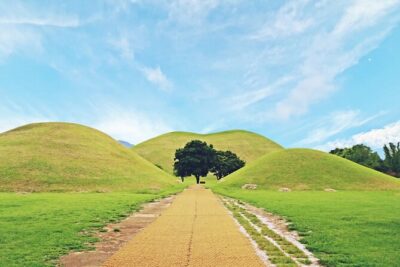
Gyeongju UNESCO World Heritage Guided Day Tour from Busan
Read our review →
Evening Dark History, Folklore & Ghost Story Walking Tour
Read our review →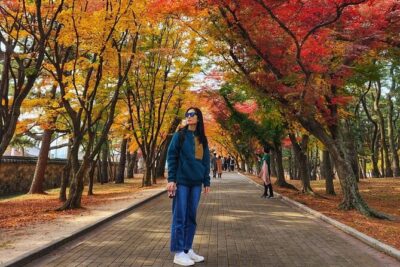
Old Korea Thousand History Tour of Gyeongju from Busan
Read our review →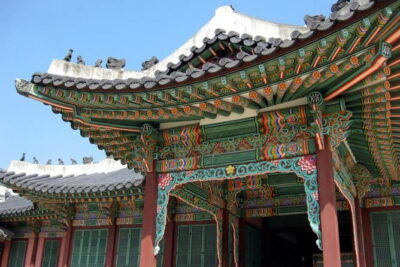
Hanbok Photoshoot and History Tour at Gyeongbokgung Palace
Read our review →
UNESCO Heritage Tour Including Bulguksa Temple
Read our review →
Gyeongju UNESCO World Heritage Sites and History Full-Day Tour with Lunch
Read our review →Browse the lists this tour appears in