
Reviewed · COOKING CLASSES
Private tour: N.Korea Cooking Class & Talk with N.Korean Defector
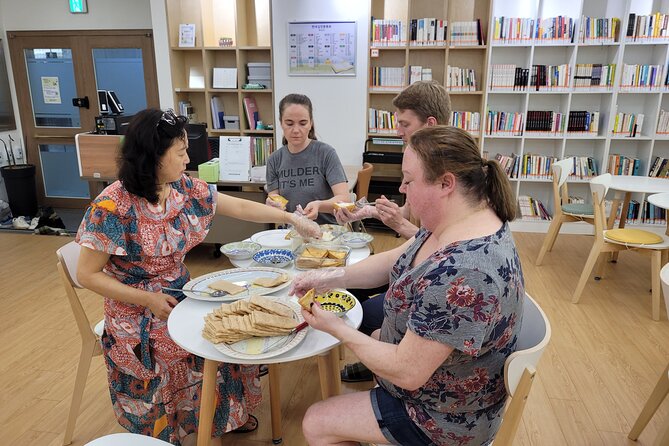
Food can cross a closed border. This private Seoul experience pairs homemade North Korean dishes with a personal talk from someone who escaped North Korea, giving you a rare look at daily life through the kitchen. I like the private format, which lets your group ask direct questions, and I like the chance to taste food linked to North Korean home cooking rather than eating a standard restaurant meal. The main drawback is important: despite the cooking-class title, one account says no cooking took place, so you should confirm the hands-on part before booking.
The four-hour session costs $150 per person and includes lunch, ingredients, cooking equipment, bottled water, and a guide. It suits curious eaters and history-minded visitors, but the value depends on what you want most: an actual cooking lesson or a thoughtful conversation over food.
In This Review
- Key points to know before booking
- Why this Seoul experience is different
- Starting at 9:30 am with pickup available
- Meeting a North Korean home cook
- Sweet corn noodles and the story behind them
- North Korean-style bibimbap at lunch
- The personal talk with a North Korean defector
- What the four hours may feel like
- Is $150 per person fair?
- Who should book this experience
- Practical questions to ask before you go
- Should you book the North Korean cooking class?
- FAQ
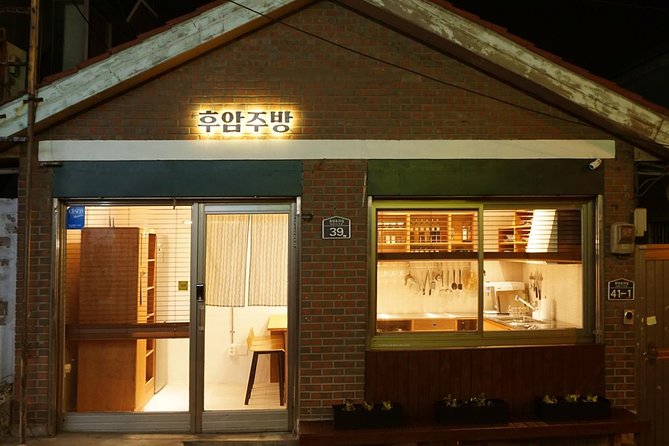
- Where does the experience take place?
- What time does the tour start?
- How long does the experience last?
- Is this a private tour?
- What food will I learn about?
- Is lunch included?
- Are ingredients and cooking equipment provided?
- Can I cancel for a full refund?
Key points to know before booking
- North Korean potato and sweet corn noodles are central to the meal and connect food with survival and resistance.
- A North Korean defector leads the cultural conversation, offering personal insight into present-day life in North Korea.
- The private setup keeps the discussion flexible, so your group can ask questions without a large class taking over.
- Lunch and all cooking supplies are included, along with bottled water and a guide.
- The experience lasts about four hours, beginning at 9:30 am, with pickup offered.
- Cooking may not be fully hands-on, so ask for clarification if preparing the dishes yourself is your main reason for going.
Why this Seoul experience is different
Seoul has no shortage of food classes. Many focus on familiar South Korean dishes, market shopping, or polished restaurant techniques. This experience takes a different path. It uses food as an entry point for learning about North Korea, a country most visitors cannot visit and rarely encounter through personal conversation.
The focus is not only on recipes. You learn about culinary customs, food shortages, everyday habits, and the difficult conditions that shaped North Korean cooking. A meal of noodles or bibimbap becomes a way to discuss geography, politics, family life, and the choices people make when ingredients are limited.
I find that approach more meaningful than a class that simply teaches you how to chop vegetables. You still get food to taste, but the meal carries a story. The setting in Seoul also matters. You are learning about North Korea in a city where the two countries are physically close yet politically far apart.
The experience is private, so only your group participates. That gives you room to ask sensitive questions with care. You can ask about food, family, daily routines, or present-day life in North Korea, though the tone should remain respectful. This is not a theatrical performance or a political debate. It is a personal conversation tied to food.
More Cooking Classes in Seoul:
- Local Home Korean Cooking Class & Market Adventure in Seoul
★ 5.0 · 1,024 reviews - Master Korean traditional cooking with a Kimchi chef
★ 5.0 · 385 reviews - Seoul: Korean Cooking Class at a Local Home and Market Tour
★ 5.0 · 348 reviews
Starting at 9:30 am with pickup available
The experience begins at 9:30 am and lasts about four hours. That makes it a substantial half-day activity, not a quick demonstration squeezed between sightseeing stops.
Pickup is offered, and the meeting area is near public transportation. Since the exact pickup details are not provided, confirm the location and transport arrangements after booking. A morning start can work well on a Seoul itinerary, leaving the afternoon open for museums, palaces, shopping, or neighborhood walks.
The private format also makes timing easier for your group. You are not sharing the schedule with a large class, and group discounts may be available. If you are booking with friends or family, ask how the discount applies before you pay.
Confirmation arrives within 48 hours, subject to availability. This is worth noting because the experience is booked about 61 days ahead on average. If it is a fixed part of your Seoul plans, do not wait until the last few days.
Meeting a North Korean home cook
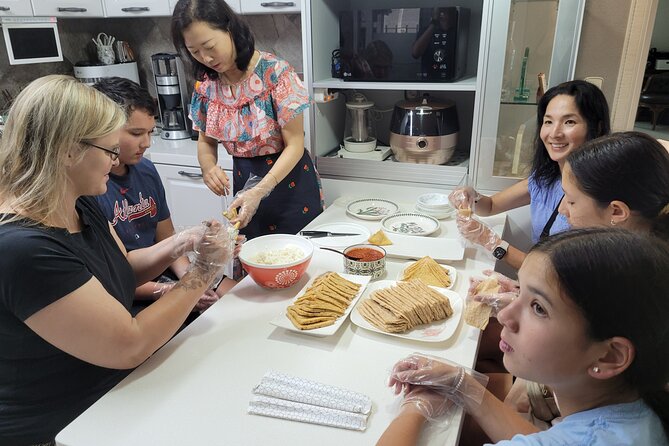
The food is presented as the kind of cooking North Koreans eat at home. That distinction matters. You are not being promised a luxury tasting menu or a restaurant version designed for tourists. The appeal is the connection to daily meals.
The description highlights a North Korean home cook and focuses on simple foods, including sweet corn noodles and potato noodles. These ingredients are presented as staples for many Koreans, particularly in areas where potatoes and corn were more available than rice.
The meal may feel plain compared with Seoul’s elaborate barbecue restaurants or carefully arranged palace cuisine. That is part of its value. Simple food can tell you more about household routines and local resources than a fancy dish can.
At the same time, keep your expectations realistic. The information does not provide a full menu, portion sizes, or a detailed cooking schedule. You know that lunch is included and that North Korean-style potato noodles and bibimbap are part of the experience, but you should ask what will actually be served on your date.
Sweet corn noodles and the story behind them
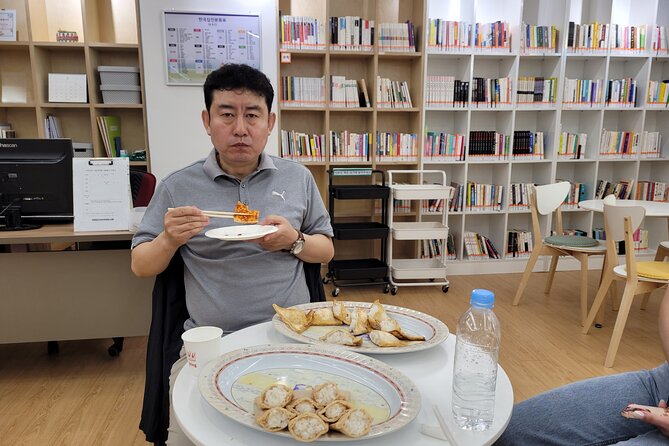
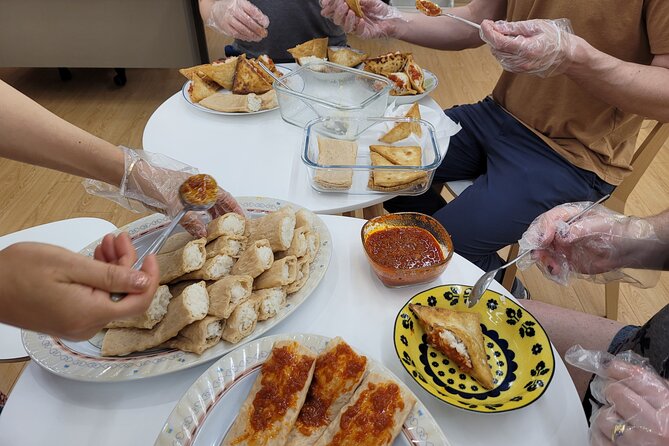
One of the most unusual parts of the experience is the attention given to sweet corn noodles, also described as resistance noodles. The dish connects food with the history of Koreans living around Manchuria during the period of Japanese colonial rule.
The explanation links potatoes and sweet corn with efforts to support resistance and feed people in difficult conditions. That gives the noodles more weight than a simple starch-based side dish. You are tasting food shaped by scarcity, farming, geography, and political struggle.
You may also learn why potato and corn dishes became important in northern regions. The provided details do not offer a full recipe or exact method, so I would not book this expecting a technical masterclass in noodle production. Instead, think of the dish as a practical lesson in how food adapts to circumstances.
If the class does include preparation, you might learn techniques for making or handling the noodles. But because one participant reported that the activity involved tasting homemade food without any actual cooking, confirm this point in advance. That single question could determine whether the experience matches your expectations.
More workshops in Seoul:
- Yongpyong Ski Resort from Seoul with Optional Lesson and Packages
★ 5.0 · 217 reviews - Korean Cooking Class with Grocery Shopping at Seoul Local Market
★ 5.0 · 107 reviews - Royal Seoul Cooking Class in a 100-Year-Old Hanok
★ 5.0 · 81 reviews - Seoul : Taste of Korea, Authentic Home-Style Cooking Class
★ 5.0 · 64 reviews
North Korean-style bibimbap at lunch
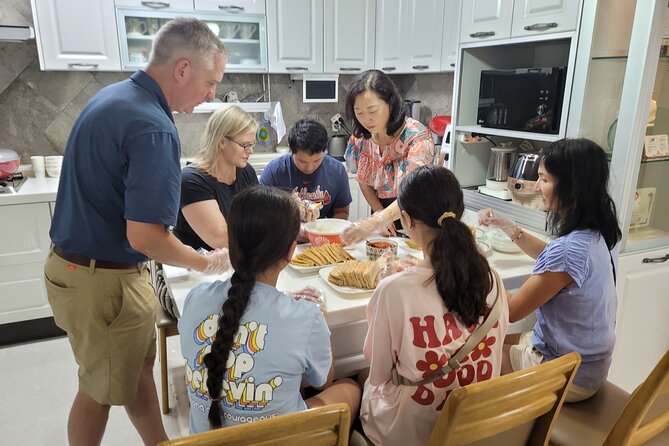
Bibimbap is familiar to many people visiting South Korea, but the North Korean version gives the dish a different purpose in this setting. You are not simply learning another popular Korean meal. You are comparing food traditions shaped by different political and economic conditions.
The exact ingredients and preparation are not specified. That is useful to know before booking, particularly if you have allergies or dietary restrictions. Ask what goes into the bibimbap and noodles, and explain any food concerns when you arrange the tour.
Lunch is included, so you do not need to budget for a separate meal during the four-hour session. The meal also gives the conversation a natural rhythm. You can listen, taste, ask questions, and relate the food to what you have already seen in Seoul.
I like this format because difficult subjects can be easier to approach through ordinary routines. What people eat, how they prepare it, and which ingredients they save can reveal a great deal about daily life.
The personal talk with a North Korean defector
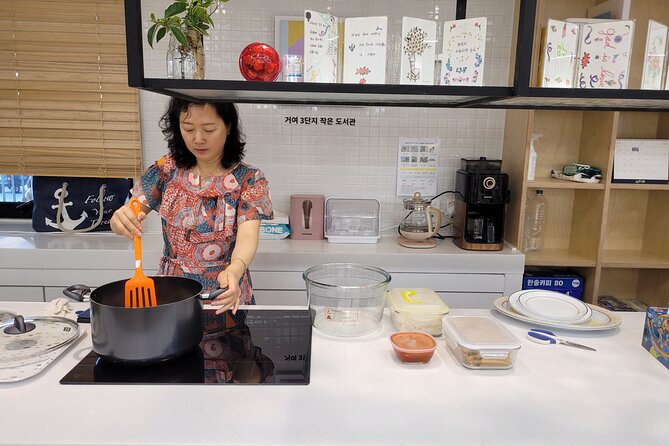
The cultural talk is the heart of the experience. You have the chance to hear personal stories from someone who left North Korea and began a new life in South Korea. That makes the session more direct than a museum display or a general lecture.
The experience promises discussion of life in North Korea, culinary customs, history, and present-day conditions. You can ask questions, which is especially useful if you want to move beyond headlines and broad political statements.
Still, approach the conversation with respect. A defector can speak from personal experience, but no single person can represent every North Korean life. Listen for what the speaker experienced rather than treating one story as a complete picture of the country.
The topic may also be emotionally difficult. One account describes learning about the hard and sad conditions of life in North Korea as a major part of the experience. That is not a flaw, but you should know the class is not pure entertainment. The laughter and relaxed setting may sit alongside serious subjects.
The provider response is signed Shrek Lee, but the available details do not clearly state whether Shrek Lee is the defector, the guide, or the tour operator. Ask who will host your session if knowing the speaker’s role matters to you.
What the four hours may feel like
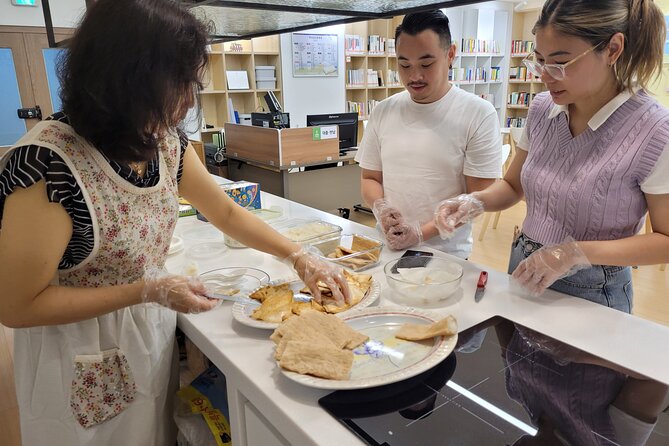
The experience appears to combine several elements rather than follow a tightly timed public class. You begin with an introduction to the North Korean home cook and the foods prepared for the meal. The host then explains the place of potatoes, sweet corn, noodles, and bibimbap in North Korean food culture.
The conversation likely develops around the meal, with time for questions about daily life and food traditions. Equipment and ingredients are included, suggesting that some preparation may be planned. However, the actual balance between demonstration, cooking, tasting, and conversation is not spelled out.
That uncertainty is the main planning issue. If you want a relaxed cultural meeting with food, the flexible format may suit you perfectly. If you want to roll dough, cook noodles, or prepare bibimbap from start to finish, request a clear description before confirming.
Because it is private, your group can help shape the discussion. You can focus on food customs, personal stories, modern North Korea, or the practical details of starting a new life in South Korea. A large public class would not offer the same room for conversation.
Is $150 per person fair?
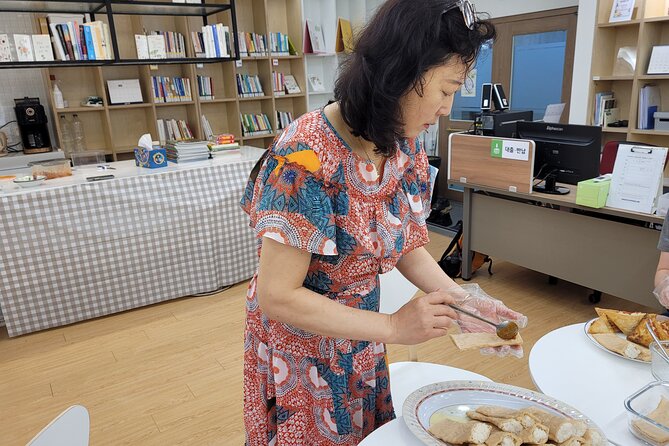
At $150 per person, this is not a budget meal or a basic Seoul cooking lesson. The price includes four hours, lunch, ingredients, cooking equipment, bottled water, a guide, and the private setting. The cultural exchange is also part of what you are paying for.
The strongest value comes if you care about the conversation as much as the food. A private meeting with a North Korean defector is a rare opportunity, and the subject is not easily replicated through ordinary sightseeing. Group discounts may improve the price for families or friends.
The value is weaker if you judge the experience only by hands-on cooking time. One participant specifically said there was no cooking, despite awarding the experience five stars for the homemade dishes and conversation. That tells you the session can succeed as a food and culture meeting even if it falls short as a conventional cooking class.
I would compare it with the cost of a private guide, a meal, and a cultural talk in Seoul. On that basis, the price may be reasonable for a small group seeking a personal experience. Before paying, ask exactly what you will cook, what dishes will be served, and how much time is devoted to preparation.
Who should book this experience
I would recommend it to you if you enjoy food with a story attached. It is a good fit for visitors who want to understand Korea beyond Seoul’s shopping streets, palaces, and restaurant scene.
It also suits people interested in modern history, migration, human rights, and the Korean Peninsula. The private setting is helpful for families or small groups who want to ask questions at their own pace.
You may not enjoy it as much if you want a polished culinary workshop with a detailed recipe booklet, a professional kitchen, or guaranteed hands-on preparation. The available information does not promise those features.
Children and teens may find the food interesting, but the discussion of hardship and life in North Korea may require some maturity. Use your judgment based on your group.
The experience is also a good choice for repeat visitors to Seoul. If you have already visited the main palaces and markets, this offers a different way to spend a morning.
Practical questions to ask before you go
Contact the provider if you need certainty about the class format. Ask whether you will personally prepare the potato noodles and bibimbap or simply watch a demonstration and eat the finished dishes.
You should also confirm the meeting or pickup point, since the experience only states that pickup is offered and that the location is near public transportation. Ask about the full menu, ingredients, and any food restrictions.
Bring questions, but keep them thoughtful. Questions about food traditions, family meals, farming, regional ingredients, and adjusting to life in South Korea may lead to a better conversation than trying to force political arguments.
Wear comfortable clothing suitable for a food activity, though the available details do not specify a dress code. Bottled water is included, and personal expenses are not.
Free cancellation is available if you cancel at least 24 hours before the local start time. Cancellations or changes made inside that window are not accepted for a refund.
Should you book the North Korean cooking class?
Book it if your priority is a personal cultural exchange, homemade North Korean food, and the chance to ask a defector about life in North Korea. The private format, included lunch, and four-hour schedule give the experience real substance.
Think twice if your main goal is a hands-on cooking lesson. The title suggests active preparation, but one account says no cooking took place. Confirm that detail before booking.
For the right audience, this is less about mastering a recipe and more about understanding how food reflects difficult circumstances, memory, and daily life. That makes it an unusual Seoul experience, but its value depends on your willingness to listen as much as eat.
FAQ
Where does the experience take place?
The experience takes place in Seoul, South Korea. The meeting area is near public transportation, and pickup is offered.
What time does the tour start?
The stated start time is 9:30 am.
How long does the experience last?
The experience lasts approximately four hours.
Is this a private tour?
Yes. Only your group participates in the private activity.
What food will I learn about?
The experience focuses on North Korean versions of potato noodles and bibimbap. Sweet corn noodles, also called resistance noodles, are also highlighted.
Is lunch included?
Yes. Lunch is included in the price.
Are ingredients and cooking equipment provided?
Yes. Cooking equipment and ingredients are included, along with bottled water.
Can I cancel for a full refund?
Yes, if you cancel at least 24 hours before the experience start time. Cancellations or changes made less than 24 hours before the start time are not refunded or accepted.
Just added in Seoul
- Seoul: Korean & English Language Exchange Global Party★ 5.0 · 28 reviews
- Your Personal Seoul Photographer!★ 4.1 · 15 reviews
- You’re Invited to Our Home in Seoul: The Only Cooking Class!★ 5.0 · 8 reviews
- From Seoul: Yongpyong Ski Day Tour with Transportation★ 4.9 · 40 reviews
- From Seoul: Hwacheon Ice Fishing and Lighting Festival Tour★ 4.5 · 4 reviews
- Seoul: Gangneung BTS K-Pop & K-Drama Filming Locations Tour★ 4.6 · 14 reviews
- Unique Native Experience : Han River Picnic, Board game, BBQ★ 5.0 · 3 reviews
- Seoul: Euljiro Gastroventure Tour★ 4.0 · 1 review
Cooking Classes, compared.
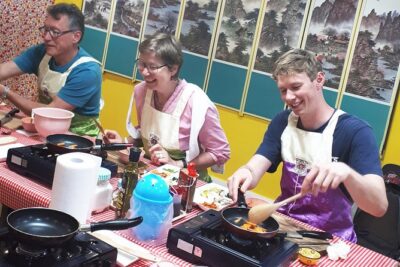
Local Home Korean Cooking Class & Market Adventure in Seoul
Read our review →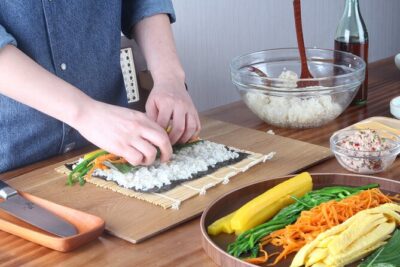
Master Korean traditional cooking with a Kimchi chef
Read our review →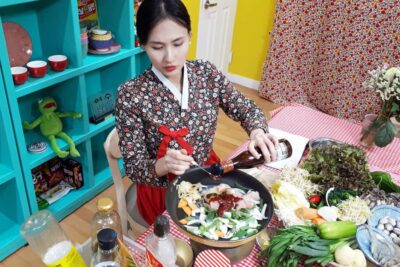
Korean Cooking Class at a Local Home and Market Tour
Read our review →
Korean Cooking Class with Grocery Shopping at Seoul Local Market
Read our review →
Korean Kimchi Making Day Experience with a Local Market Tour
Read our review →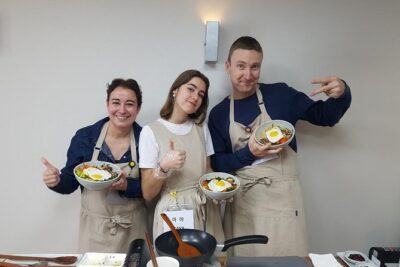
Browse the lists this tour appears in