
Reviewed · UNESCO WORLD HERITAGE TOURS
From Busan to Gyeongju UNESCO Legacy Tour with National Museum
Ancient Silla is closer than it looks. This 12-hour outing links Busan with Gyeongju’s best-known cultural sights, from the quiet bamboo groves of Ahopsan Forest to the stone gates of Bulguksa Temple and the glowing curves of Woljeonggyo Bridge. I especially like the wide mix of places and the fact that an English or Chinese-speaking guide travels with you throughout the day.
I also like the practical route: round-trip transport, tolls, parking, fuel, and an air-conditioned vehicle are covered. Guides such as DK, Yaho, Kang, Chris, and Yaya have earned strong praise for clear explanations, humor, careful driving, and flexible timing. The tradeoff is a long day with several stops, so you may wish for more time at your favorites.
In This Review
- Key points to know before booking
- Why this Busan day trip works
- Ahopsan Forest: bamboo, shade, and a muddy path
- Spring alternative: Dalmaji Hill and cherry blossoms
- Gyochon Village and Choe Jun’s House
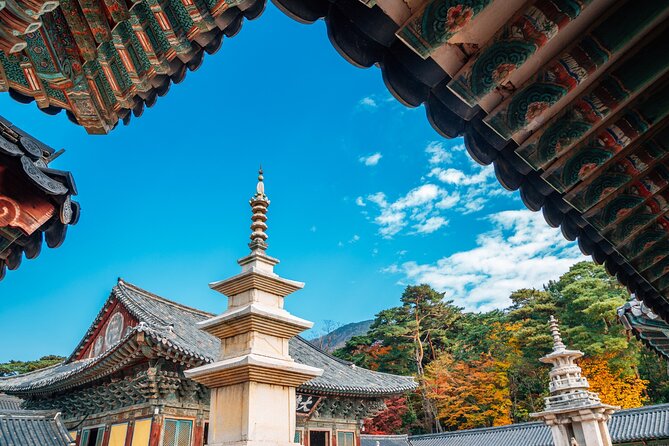
- Bulguksa Temple: the essential Gyeongju stop
- The National Museum or Daereungwon’s grassy tombs
- Donggung Palace and Wolji Pond as another alternative
- Woljeonggyo Bridge after dark
- Transport, lunch, and what the $48.08 covers
- Guide quality and group atmosphere
- Who should book this Gyeongju tour?
- Should you book it?
- FAQ
- How long does the tour from Busan to Gyeongju last?
- Is transportation included?
- Is Ahopsan Forest admission included?
- What happens at Ahopsan Forest?
- Can the stops change during cherry blossom season?
- Is lunch included?
- What is the cancellation policy?
Key points to know before booking
- Ahopsan Forest adds a peaceful start: The 400-year-old private bamboo forest offers a very different mood from Gyeongju’s temples and tombs, but admission costs extra.
- Bulguksa Temple is the main cultural anchor: The UNESCO-listed temple receives two hours, enough for a proper look rather than a quick photograph.
- The route covers both Silla and Joseon-era Korea: Gyochon Village and Choe Jun’s House add domestic and social history to the royal sites.
- Evening at Woljeonggyo Bridge is a highlight: The reconstructed Unified Silla bridge is especially appealing when illuminated.
- Spring plans can change: From March 24 to April 12, Ahopsan Forest may be replaced by Dalmaji Hill, and the National Museum may be replaced by Daereungwon Tomb Complex, depending on blossom conditions.
- The day is excellent value for transport and coverage: At $48.08 per person, you avoid arranging distant sites yourself, but lunch and some admission fees are separate.
Why this Busan day trip works
Gyeongju was the capital of the Silla Kingdom, and its historic sites are spread across a broad area. That is the central reason to consider a guided day trip from Busan. You can see the city’s main monuments without piecing together several local bus journeys or worrying about parking.
The route also avoids making the day only about grand monuments. Ahopsan Forest brings quiet nature, Gyochon brings traditional homes, Choe Jun’s House offers a personal story, and the museum supplies the objects and detail that help the ruins make sense.
The schedule lasts about 12 hours, so this is not a slow, lingering day. It is a sightseeing sweep. I would choose it if you have limited time in Busan and want one efficient introduction to Gyeongju. If you prefer to sit for long meals, sketch temple roofs, or spend half a day in one museum, the pace may feel tight.
The maximum group size is listed as 99 people, although several accounts describe smaller groups and comfortable vans. Your actual group may vary. The guide quality appears to be an important part of the experience, with DK praised for energy and time management, Yaho for warm storytelling and safe driving, Kang for patience and care, and Chris for organization and strong English.
More Busan trips:
- Busan: Gyeongju Guided Day Trip to Three Kingdoms Capital
★ 4.8 · 1,925 reviews - Small Group Full Day Busan Tour (Max 6 Pax)
★ 5.0 · 1,464 reviews - From Busan: Gyeongju UNESCO World Heritage Guided Day Tour
★ 4.8 · 1,250 reviews
Ahopsan Forest: bamboo, shade, and a muddy path
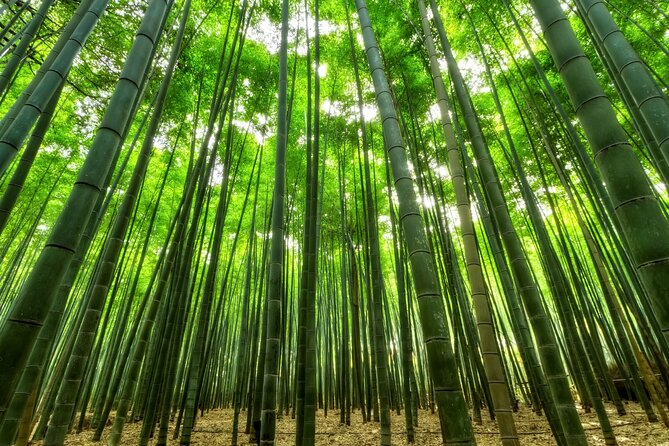
The day normally begins at Ahopsan Forest, a privately owned bamboo forest in Busan preserved for more than 400 years. You receive about 90 minutes here, which gives you time to walk beneath dense bamboo and enjoy a cool, quiet opening to the day.
This is a useful contrast with the historic sites later on. The forest feels atmospheric without requiring a lecture to appreciate it. Tall bamboo, filtered light, and winding paths make it one of the more unusual parts of the trip, especially if your main reason for visiting Korea is not only palaces and temples.
Admission is not included, so check the current fee before you go. The walk can include an uphill section, and one practical tip is worth taking seriously: wear shoes that can handle mud. White sneakers are a poor match for damp forest paths.
If you have trouble with uphill walking, tell the guide early. One account describes a slow pace that allowed older members of the group to manage the route, but the stop is still more active than a flat museum visit.
Spring alternative: Dalmaji Hill and cherry blossoms
During the stated cherry blossom period, March 24 through April 12, the first stop may change to Haeundae Dalmaji-gil Road. This is a free, 30-minute stop on Dalmaji Hill, where cherry trees frame views toward the coast.
The switch depends on conditions, and availability is not guaranteed. That matters because you should not book this outing solely for a promised blossom display. If the trees are in bloom, the hill offers a short scenic walk and easy photo stop. If not, the normal Ahopsan Forest plan may apply.
The two choices create different experiences. Ahopsan is shaded, enclosed, and calm. Dalmaji is open, coastal, and seasonal. I would treat the spring option as a bonus rather than the main reason to choose the tour.
Gyochon Village and Choe Jun’s House
Gyeongju Gyochon Traditional Village slows the tempo after the morning drive. You have about an hour to walk among hanok houses and historic sites, with free admission.
Gyochon helps you picture daily life around Gyeongju rather than only its kings and temples. The traditional architecture is attractive, but the value here is the setting and the chance to walk at your own pace. Your guide can provide the background, then you can look closely at tiled roofs, courtyards, walls, and the shape of the village.
The nearby Choe Jun’s House receives another hour. This former home belonged to the Choe family, a respected noble family that maintained its position for more than 300 years. The house gives the day a Joseon-era angle and shifts attention from Silla’s royal power to family life, status, and long-standing local influence.
I like these two stops because they keep the experience from becoming a procession of famous monuments. The drawback is that one hour per place goes quickly. If you enjoy architecture or social history, you may want to return to Gyeongju independently for a slower walk.
More Gyeongju trips:
- Gyeongju UNESCO World Heritage Guided Day Tour from Busan
★ 5.0 · 660 reviews - Old Korea Thousand History Tour of Gyeongju from Busan
★ 5.0 · 518 reviews - Busan: Gyeongju UNESCO Legacy Tour with National Museum
★ 5.0 · 172 reviews - From Busan: Echoes of Silla Gyeongju Historical Day Tour
★ 4.8 · 55 reviews
Bulguksa Temple: the essential Gyeongju stop
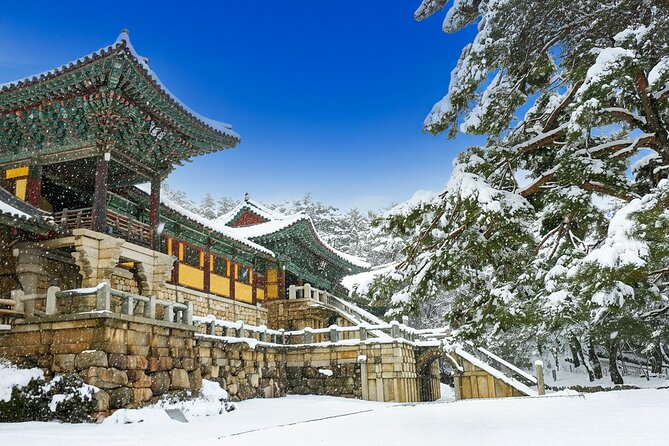
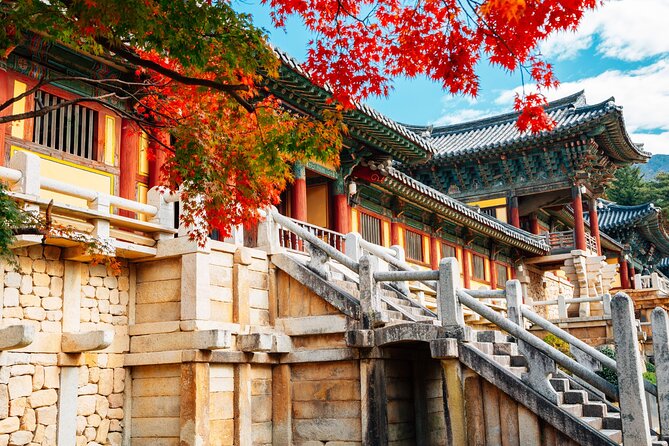
Bulguksa Temple is the strongest historical stop on the route. The site was first built in 528 during the Silla period and rebuilt in 774. It is UNESCO-listed and recognized for its Buddhist art and architecture.
You receive about two hours here, the longest allocation at a major monument apart from the bridge. That gives you enough room to study the stone stairways, temple buildings, courtyards, and carved details without treating the visit as a rushed photo stop.
A good guide makes a real difference at Bulguksa. The site can look beautiful at first glance, but its meaning becomes clearer when someone explains how the temple relates to Silla Buddhism and the kingdom’s ideals. DK, Yaho, Kang, and the other guides are repeatedly praised for making historical information approachable, using stories and humor instead of a dry list of dates.
Bulguksa admission is included, unlike Ahopsan Forest. Wear comfortable shoes and expect some walking around uneven historic surfaces. The temple is a place where you should give yourself time to look up, not simply follow the group from gate to gate.
The National Museum or Daereungwon’s grassy tombs
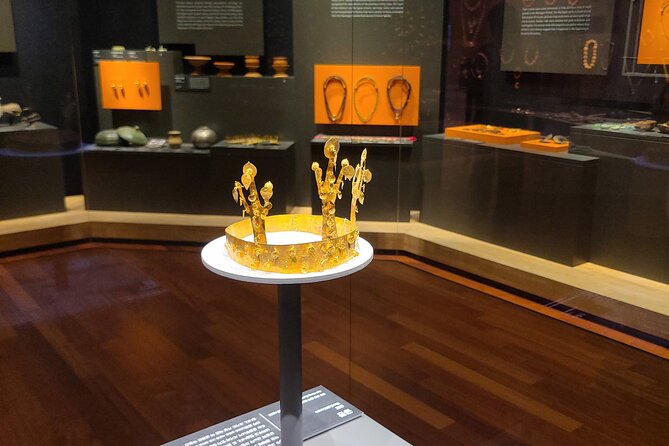
The normal plan includes one hour at the Gyeongju National Museum. This is the best place on the route for seeing objects connected with the Silla Kingdom and for putting the city’s monuments into context.
Museums can be hard to fit into a packed day, but this stop earns its place. After seeing temples, village buildings, and royal sites, you can examine the art and artifacts that explain how Silla society worked. I would pay close attention to the objects that connect religion, royal authority, craft, and burial customs.
During the same March 24 to April 12 blossom period, Daereungwon Tomb Complex may replace the museum if the flowers are in bloom. Daereungwon is a royal burial area with large grassy mounds and stone walls. Cherry blossoms against the rounded tombs can make a memorable scene, but the seasonal choice is not guaranteed.
This is one of the tour’s more important decisions. Choose the museum if you want objects, interpretation, and indoor time. Choose Daereungwon if you want open-air walking, royal tombs, and spring photography. The seasonal substitution may be made according to conditions rather than personal preference, so confirm the day’s plan with your guide.
Donggung Palace and Wolji Pond as another alternative

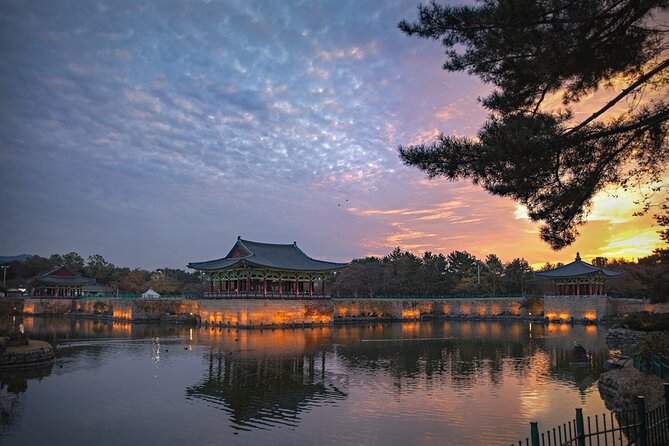
Donggung Palace and Wolji Pond are offered as an alternative for people who prefer not to visit the National Museum. You receive about 90 minutes there, and the entry fee is not included.
The pond is historically meaningful and especially attractive later in the day, when reflections and lighting can change the mood. One account describes an evening visit to Wolji Pond together with Woljeonggyo Bridge as an exceptional part of the outing.
Because this option has an extra entrance fee, budget for it separately. It may suit you better than the museum if you prefer ruins, water, and outdoor photographs. The museum is the better choice if you want a fuller explanation of Silla culture through objects.
Woljeonggyo Bridge after dark
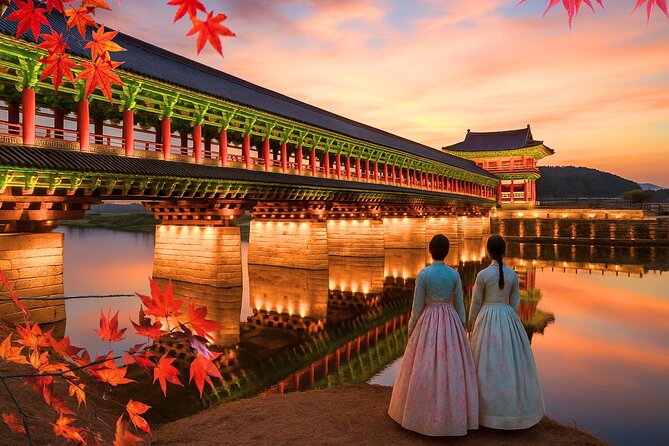
The final scheduled stop is Woljeonggyo Bridge, with about two hours set aside. That is generous compared with many guided day trips, and it gives you time to see the structure in daylight or evening light, depending on the day’s timing.
The bridge is a reconstruction of a royal bridge from the Unified Silla period. The original was built in 760 and connected the royal palace with the southern part of Gyeongju. Its long wooden form and ornate roofline make it one of the most photogenic places on the route.
This is not only a quick farewell photograph. Two hours allow you to walk around, find different angles, and enjoy the river setting. If the schedule places you here after sunset, the illuminated bridge can be a fitting final image from a day focused on Korea’s old capital.
The bridge stop also shows why traffic and timing matter. Gyeongju is far enough from Busan that delays can eat into the final visit. Chris reportedly adjusted an outing to start earlier during a holiday week, and Yaho was praised for keeping the schedule moving while changing plans around rain. The exact timing is not guaranteed, but a guide who watches the clock is valuable here.
Transport, lunch, and what the $48.08 covers
At $48.08 per person, the price is fair if you want broad coverage in one day. You receive round-trip transport from Busan, an air-conditioned vehicle, a professional guide, tolls, parking, and fuel. Those practical costs add up when you arrange a distant day trip alone.
Lunch and dinner are not included. Some groups have been taken to a traditional Korean buffet restaurant, but that is not listed as a guaranteed part of the package. Plan to pay for meals and personal purchases separately.
Ahopsan Forest admission is extra. Donggung Palace and Wolji Pond admission is also extra if you choose that alternative. Bulguksa admission is included, while the village, Choe Jun’s House, Daereungwon, and Woljeonggyo Bridge are listed without an additional admission charge.
The value improves if you are staying in Busan only briefly. You can cover a bamboo forest, a UNESCO temple, traditional housing, a museum or tomb complex, and two major Gyeongju landmarks without changing hotels. The value is weaker if you are already spending several days in Gyeongju and can visit the sights slowly by yourself.
Guide quality and group atmosphere
The strongest part of the experience appears to be the human side. DK is praised for energy, humor, safe driving, and keeping the group on schedule. Yaho is described as warm, attentive, funny, and skilled at explaining the story behind each stop. Kang receives praise for patience, thoughtful recommendations, and looking after people in the rain.
Chris is noted for clear English, organization, and adjusting the start time around holiday traffic. Yaya is praised for easy communication, flexibility, and a friendly approach that made the group feel comfortable. Guide assignments can change, so you should not book expecting one particular person.
English and Chinese-language guiding is offered. Most people can take part, but the day includes substantial walking and at least one uphill forest section. Rain can affect the plan, though the guide may adjust the order or activities when conditions change.
There is one serious practical warning: one person reported a missed pickup and difficulty reaching the operator. This conflicts with the many positive accounts of smooth pickup and clear communication, including WhatsApp contact the day before. I would still save the pickup instructions, arrive early, and keep the provider’s contact details available rather than relying only on the mobile ticket.
Free cancellation is available up to 24 hours before the start time. The experience depends on suitable weather and a minimum number of participants. If the operator cancels for either reason, you are offered another date or a full refund.
Who should book this Gyeongju tour?
I would choose this tour if you are based in Busan, have one free day, and want a well-rounded first look at Gyeongju. It suits solo visitors, couples, friends, and families who value transport and historical explanation more than complete control over the schedule.
It is also a smart choice if Ahopsan Forest interests you but reaching the private forest on your own feels awkward. The combination of bamboo, temples, homes, museum pieces, tombs, and a night bridge gives you a broad sense of Korea’s past in one outing.
I would hesitate if you dislike early starts, long road time, group schedules, or walking in changing weather. You may also prefer a private or slower tour if Bulguksa, the museum, or Daereungwon is your main goal and you want several hours at one place.
Should you book it?
Book it if you want maximum historical coverage from Busan for a reasonable price, especially on a short Korea trip. The guides appear to add real value through stories, driving, photography tips, and sensible timing.
Before paying, check which seasonal stops are planned, budget for lunch and optional admissions, wear shoes suitable for mud and hills, and confirm the pickup details the day before. If you accept a full, active day, this is a practical way to meet Gyeongju’s Silla monuments without the hassle of arranging the route yourself.
FAQ
How long does the tour from Busan to Gyeongju last?
The experience lasts approximately 12 hours, including transportation between Busan and the various Gyeongju and Busan-area stops.
Is transportation included?
Yes. Round-trip transport from Busan is included in an air-conditioned vehicle. Toll fees, parking fees, and fuel fees are also covered.
Is Ahopsan Forest admission included?
No. Admission to Ahopsan Forest is not included in the tour price.
What happens at Ahopsan Forest?
You spend about 90 minutes walking through a privately owned bamboo forest preserved for more than 400 years. The route can include an uphill section.
Can the stops change during cherry blossom season?
Yes. From March 24 to April 12, Ahopsan Forest may be replaced by Dalmaji Hill, and the National Museum may be replaced by Daereungwon Tomb Complex, depending on blossom conditions. These alternatives are not guaranteed.
Is lunch included?
No. Lunch and dinner are not included, so you need to pay separately for meals and personal expenses.
What is the cancellation policy?
You can cancel at least 24 hours before the local start time for a full refund. Cancellations or changes made less than 24 hours before the start time are not refunded or accepted. If poor weather or insufficient participation causes the operator to cancel, you are offered another date or a full refund.
More Museum Tours in Busan
- Seoul: War Memorial of Korea Private Guided Museum Tour
★ 4.9 · 29 reviews - DMZ Tour + The War Memorial of Korea Museum
★ 5.0 · 28 reviews - Color Pool Museum
★ 4.0 · 22 reviews - SEOUL: Gugak – Korean Traditional Music Museum&Concert Tour
★ 4.7 · 17 reviews
More UNESCO Sites in Busan
- Gyeongju The UNESCO World heritage sites tour(Private tour)
★ 5.0 · 17 reviews - 3-Days 2-Nights Gyeongju UNESCO Sites & Busan City [Private Tour from Seoul]
★ 4.5 · 11 reviews - UNESCO Tongdosa Temple + Gourmet Eonyang Style Bulgogi Lunch
★ 5.0 · 7 reviews - UNESCO World Heritage Gyeongju & Busan Two-city Private Tour.
★ 5.0 · 7 reviews
Just added in Busan
- Small Group 7D Korea package Tour with Seoul Gyeongju Busan Jeju★ 4.5 · 13 reviews
- Private Transfer from Seoul to Busan(up to 12 passengers)★ 5.0 · 1 review
- Jinhae Cherry Blossom + Busan Sunrise from Seoul★ 4.5 · 5 reviews
- 7 days Flexible Tour for Major Cities(Seoul,Busan,Gyeongju etc)★ 5.0 · 5 reviews
- PREMIUM 5 Days Tour for Wonder of Korea(Mt. Seoraksan, Andong, Gyeongju, Busan)★ 5.0 · 1 review
- 5 Days Tour for Korea’s past and present(Mt.Seoraksan, Andong, Gyeongju, Busan)★ 5.0 · 1 review
- 7 Days Highlight Korea Tour(Seoul, Nami, DMZ, Andong, Gyeongju, Busan)★ 5.0 · 1 review
- 5-Day Korea Golden route by K-shuttle Tour from Seoul Including Busan, Yeosu★ 4.5 · 37 reviews
UNESCO World Heritage Tours, compared.
Gyeongju UNESCO World Heritage Guided Day Tour
Read our review →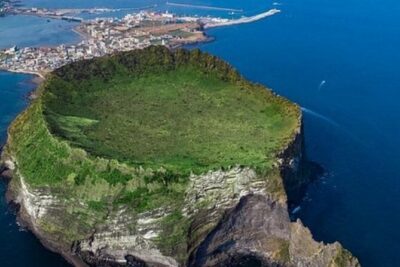

East Jeju Essentials – Seongsan Ilchulbong (UNESCO) & Haenyeo
Read our review →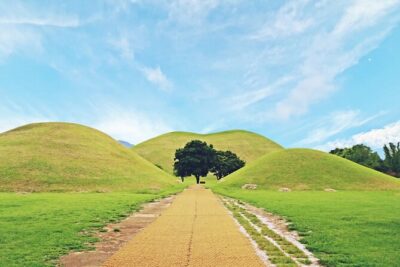
Gyeongju UNESCO World Heritage Guided Day Tour from Busan
Read our review →
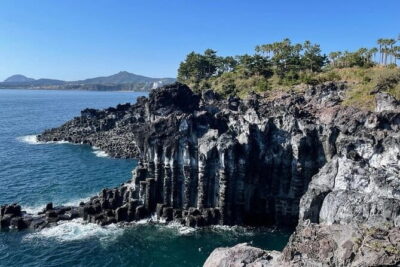
Jeju Southern UNESCO Full Day Tour with Mt.Halla
Read our review →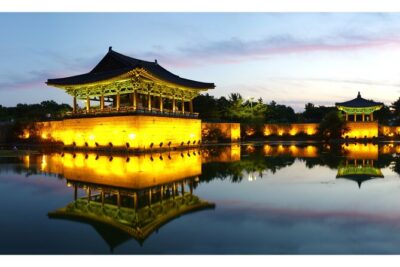
Gyeongju UNESCO sites Private tour with licensed tour guide
Read our review →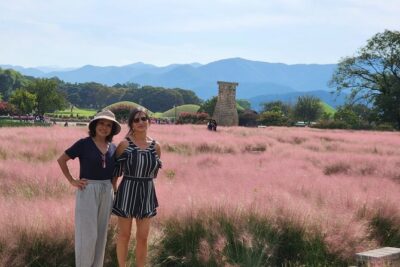
Private Gyeongju Tour – Explore Gyeongju UNESCO Sites
Read our review →Browse the lists this tour appears in