Reviewed · COOKING CLASSES
Busan Local Food Cooking Class with Market Tour
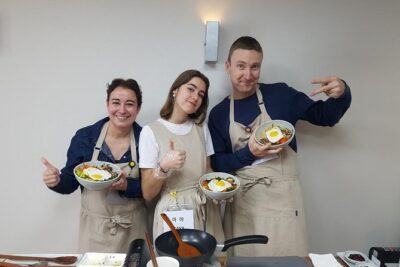
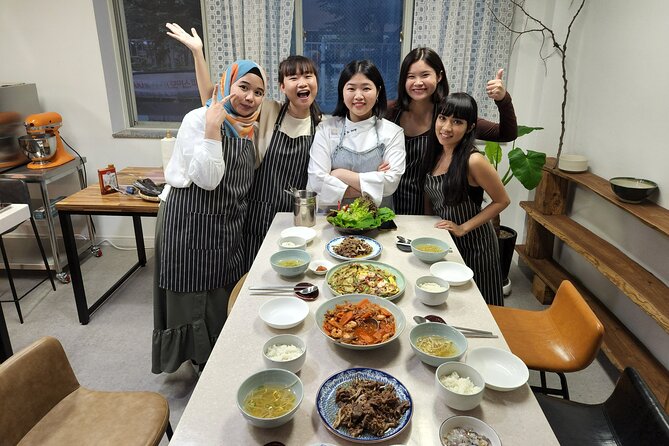
Good food tells you where you are. This four-hour Busan class brings you into a cooking studio, where chef Heeyoung teaches Korean techniques and helps you prepare several local dishes, including seafood-based food made with fresh ingredients. I like the hands-on format, and I especially like that the class continues into Bupyeong Kkangtong Market, where you can see ingredients and food customs in their everyday setting.
The English instruction is another strong point. Heeyoung explains each dish clearly, answers questions, and keeps the pace relaxed rather than racing you toward the next recipe. The main consideration is the price: at $109.58 per person, this is not a cheap meal or a quick market walk. You are paying for instruction, food, cultural context, tea, rice wine, and a small-group setting, so it makes the most sense if you want more than a standard food tour.
In This Review
- Key points at a glance
- Why this Busan class is different from a market tasting
- Meeting chef Heeyoung at the cooking studio
- Cooking Busan dishes with fresh seafood
- Sitting down with rice wine and Korean tea
- Entering Bupyeong Kkangtong Market after lunch
- What the $109.58 price really covers
- Who will enjoy this experience most
- The strongest reason to book it
- Should you book the Busan cooking class?
- FAQ
- Where does the Busan cooking class begin?
- What time does the class start?
- How long does the experience last?
- Where does the market visit take place?
- What language is the cooking class conducted in?
- What is included in the price?
- Is rice wine included?
- How many people can join the class?
- Can I cancel for a full refund?
Key points at a glance
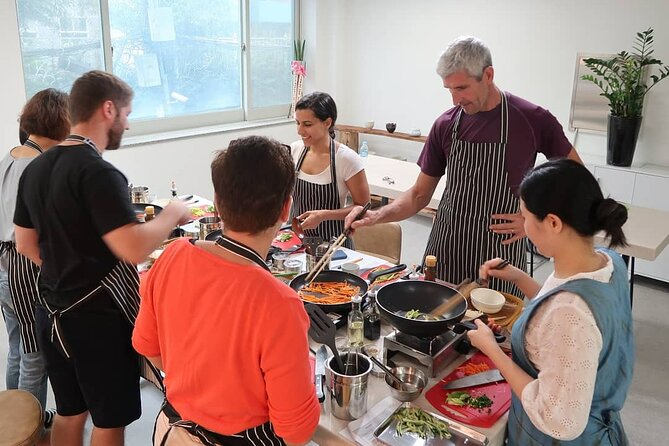
- Chef-led instruction in English: Heeyoung is a professionally trained Korean food chef with a clear, friendly teaching style.
- Several dishes, not just one recipe: You make and eat a selection of typical Korean food, with recipes to take home.
- Busan seafood and food culture: The class focuses on local food and fresh seafood, then explains how Korean meals and ingredients fit together.
- Tea ceremony and rice wine: The meal finishes with Korean tea customs, and your food is accompanied by local rice wine.
- Bupyeong Kkangtong Market visit: After cooking, you walk through a traditional market more than 100 years old with help translating and identifying food.
- Small group, about four hours: The maximum group size is 10, giving the class a more personal feel than a large demonstration.
Why this Busan class is different from a market tasting
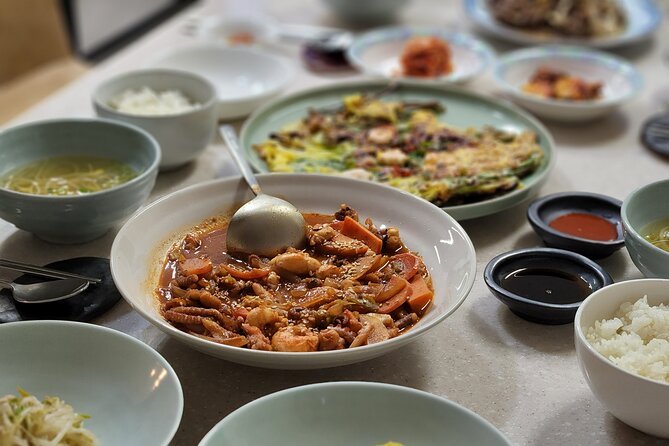
Busan is one of Korea’s best places to pay attention to seafood. You can certainly eat well here without taking a class, but a restaurant meal usually leaves you with a finished plate and few clues about how it was made. This activity gives you the missing steps: ingredients, preparation, cooking methods, table customs, and the market where many of those ingredients are sold.
I like that the experience has three connected parts. You cook with a local chef, sit down to eat what you made, and then head into a traditional market with the same food culture still fresh in your mind. That order helps you understand the stalls more clearly. Instead of seeing unfamiliar seafood or seasonings as a blur, you have already handled some of the ingredients and heard why they matter.
The class also includes a Korean food culture lecture. That makes it more useful than a recipe lesson alone. You can ask about Korean cooking in general, learn how food relates to custom, and take home recipes that may help you recreate the meal later.
This is a shared class, with a maximum of 10 people. That number is small enough for personal help but large enough that the social side of cooking remains part of the event. Some dates may feel especially intimate if only a few people book, while a full class will have more group energy.
More Food Tours in Busan
- 4-Hours Hiking and Tasting Rice Wine in the Mountain of Busan
★ 5.0 · 79 reviews - Busan: Hiking and Tasting Rice Wine in the Hidden Village
★ 4.9 · 74 reviews - Busan history and market food tour with local chef
★ 5.0 · 58 reviews
Meeting chef Heeyoung at the cooking studio
The class begins at 10:00 am at Busan Cooking Class2f, 15 Gudeok-ro 186beon-gil, in Seo-gu, Busan. The meeting point is near public transportation, which matters because the address is given as a street location rather than a famous landmark. I would allow time to find the building and arrive ready to start, especially if you are unfamiliar with this part of the city.
Heeyoung is the key to the experience. She graduated from a prestigious Korean cuisine culinary school in Korea and speaks fluent English. Her role is not limited to showing you what to chop or stir. She explains Korean food culture, gives context for the dishes, and helps make the class comfortable for people with different cooking backgrounds.
You do not need to arrive as an experienced cook. The strongest praise for the class centers on clear instructions, a patient pace, and Heeyoung’s effort to involve everyone. She is described as professional but friendly, and as someone who does not rush the process. That is important in a shared class, where people may have very different levels of confidence in the kitchen.
The class supplies aprons, tableware, and all ingredients. You therefore do not need to shop before arriving or bring cooking equipment. The practical benefit is simple: you can focus on learning rather than wondering what you should have packed.
Cooking Busan dishes with fresh seafood
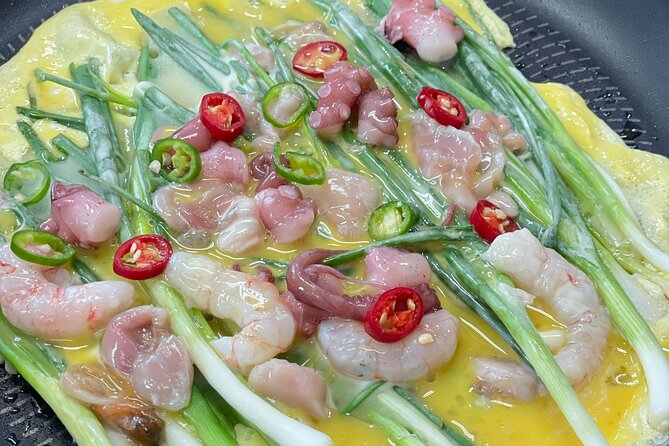
The cooking portion is the heart of the morning. Under Heeyoung’s direction, you make several typical Korean dishes and then eat your own work. The food is described as Busan local food, with fresh seafood playing an important role.
The exact menu is not specified in the available details, so you should not book this expecting one guaranteed dish by name. The useful promise is broader: you will learn Korean cooking techniques and prepare several dishes rather than watching a single demonstration. If a particular recipe matters to you, ask the provider before booking.
I like the way this format connects technique with taste. A cooking lesson can become dry if you spend the whole time taking notes and never sit down to eat. Here, the finished dishes become your meal, which lets you judge the balance of flavors and see how the separate preparations work together.
The recipe handout adds value after the class. You receive the recipes and a Busan food recommendation list, so the morning can guide the rest of your eating in the city and give you ideas for cooking at home. The recipes will not replace practice, but they are a useful reminder once the details of the class start to fade.
The class includes a lecture on Korean food culture, too. I would pay attention to this part rather than treating it as a pause between kitchen tasks. Food customs can explain why a dish is prepared in a certain way, how ingredients are used, and what makes Korean meals different from the familiar Korean dishes served abroad.
Sitting down with rice wine and Korean tea
After cooking, you eat the dishes you prepared. The meal comes with local rice wine, adding a traditional drink to the food rather than leaving you with a cooking lesson that ends at the cutting board.
You also take part in a Korean traditional tea ceremony. This is a quiet change of pace after the practical work of cooking. It gives the class a cultural finish and lets you see customs connected with serving and drinking tea.
The tea ceremony is one reason this activity feels broader than a standard cooking class. You are not only collecting recipes. You are also being introduced to a way of presenting food and drink that may be easy to miss when you move from restaurant to restaurant.
Keep the timing in mind, though. The whole activity lasts about four hours, and the class includes cooking, eating, a lecture, tea, and a market visit. If you prefer a fast lesson with one quick dish, this may feel long. If you want time for conversation and explanation, the length is part of the value.
More Market Tours in Busan
- Busan Seafood Tour : Jagalchi market Seafood Tour & Dinner
★ 5.0 · 74 reviews - Busan Tailored Korean cooking class (Vegan OK)with market tour
★ 5.0 · 66 reviews - Gamcheon Culture Village, Jagalchi fish market story telling Tour
★ 4.5 · 63 reviews - Busan Night Food Market with Night View points
★ 5.0 · 12 reviews
Entering Bupyeong Kkangtong Market after lunch
The final stop is Bupyeong Kkangtong Market, a traditional market more than 100 years old. The market visit comes after the cooking class, which is a smart arrangement. You have already learned about local dishes and ingredients, so the stalls should have more meaning than they would at the start of a random walk.
You explore the market with the chef, who can help translate and point out ingredients and local delicacies. That language support matters. Markets are often full of useful clues, but labels and quick exchanges can be difficult if you do not read Korean. Having an English-speaking food professional beside you lets you ask what something is, how it is used, and what local food customs surround it.
The market is not presented as a separate shopping trip with a long list of purchases. It is an extension of the food lesson. You get to see the setting where ingredients are sold and hear more about Busan’s eating culture from someone who works with Korean food directly.
I would treat this part as a guided orientation, not a guarantee that you will buy a particular product or sample every stall. The stated itinerary names Bupyeong Kkangtong Market as the stop, while the detailed menu of market activities is not fixed. The guide’s explanations and translation help are the main reason to value it.
The tour ends back at the meeting point. That makes the return straightforward, though you should plan your next activity with the stated four-hour duration in mind rather than assuming you will be free immediately after the cooking ends.
What the $109.58 price really covers
At $109.58 per person, the cost is high compared with simply eating a Korean meal. The comparison is not quite fair, however, because this includes a full class, ingredients, apron, tableware, food, local rice wine, a lecture, a tea ceremony, a market tour, recipes, and a food recommendation list.
You are also paying for fluent English guidance and a small group capped at 10 people. That can be worthwhile if you want to ask questions and receive corrections while cooking. A large demonstration might cost less, but it would not offer the same hands-on role.
The value is strongest for a first visit to Busan or for anyone who wants food to shape the rest of the trip. One strong practical tip is to schedule this early rather than near the end. The market advice and food explanations can help you make better choices at later meals. If you take it on your final day, the class can still be enjoyable, but you lose much of that extra use.
The activity is booked an average of 52 days ahead, so popular dates may fill well before your trip. Confirmation arrives within 48 hours of booking, subject to availability. Plan ahead, but do not treat that booking pattern as a guarantee that every date will sell out.
Who will enjoy this experience most
I would recommend this class to food-focused visitors who want to understand what they are eating, not just photograph it. It also suits couples, friends, solo participants, and small groups who enjoy learning by doing.
It is a good choice if you want:
- A local chef rather than a self-guided recipe session
- Clear English instruction
- Several Korean dishes in one morning
- A meal made during the class
- Cultural context, including tea customs
- A guided look at a traditional Busan market
- Recipes and food suggestions to use after the activity
Families and mixed-ability groups may also appreciate the relaxed pace described by participants, though the supplied information does not specify a minimum age or child policy. Ask the provider if those details matter to your party.
You may want a different activity if your main goal is a long market crawl, a restaurant-only food tour, or a class centered on one precisely named dish. The menu is described in general terms, and the market visit is one part of a larger four-hour program.
The activity requires good weather and a minimum number of participants. If poor weather or low enrollment causes cancellation, you are offered another date or experience, or a full refund. You can cancel for a full refund up to 24 hours before the start time, but changes or cancellations inside that window are not accepted.
The strongest reason to book it
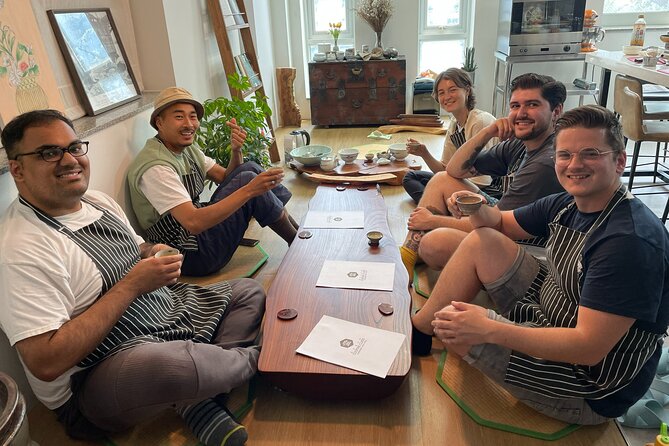
The best part is the combination of patient teaching and cultural explanation. Heeyoung is repeatedly praised for making instructions clear, keeping everyone involved, and balancing professionalism with warmth. That matters more than fancy equipment in a cooking class.
The second strong point is the link between kitchen and market. You do not simply cook a meal in an enclosed studio and leave. You carry the lesson into Bupyeong Kkangtong Market, where translation and food advice help you make sense of what you see.
The class has a current rating of 5 out of 5 from 53 reviews and is recommended by 100 percent of participants. Those figures do not guarantee that every menu or group suits every person, but they support the view that the teaching style and cultural side are the main strengths.
Should you book the Busan cooking class?
Book it if you want a hands-on introduction to Korean food, especially if you are happy to spend four hours learning, eating, talking, and walking through a historic market. The price is justified when you make use of the full package: instruction, meal, rice wine, tea, recipes, and guided market context.
I would schedule it near the start of your Busan stay. That gives you time to use the food recommendation list and apply what you learn when ordering at markets and restaurants. If you only want a quick meal or a fixed menu with exact dish names, confirm the menu first or choose a simpler food outing.
For most food-curious visitors, this is a well-rounded way to meet Busan through its kitchen rather than from a seat at a restaurant.
FAQ
Where does the Busan cooking class begin?
It begins at Busan Cooking Class2f, 15 Gudeok-ro 186beon-gil, Seo-gu, Busan, South Korea.
What time does the class start?
The start time is 10:00 am.
How long does the experience last?
The activity lasts approximately four hours.
Where does the market visit take place?
The market stop is Bupyeong Kkangtong Market, a traditional market more than 100 years old.
What language is the cooking class conducted in?
The cooking class is conducted in English, and the chef speaks fluent English.
What is included in the price?
The price includes an apron, tableware, all ingredients, the English cooking class, a Korean food culture lecture, a Korean traditional tea ceremony, a Busan food recommendation list, and recipes.
Is rice wine included?
Yes. The meal you prepare is accompanied by local rice wine.
How many people can join the class?
The activity has a maximum of 10 participants.
Can I cancel for a full refund?
Yes. You can cancel at least 24 hours before the start time for a full refund. Cancellations or changes made less than 24 hours before the start time are not accepted for a refund.
More Cooking Classes in Busan
- Korean cooking class in Haeundae, Busan
★ 5.0 · 92 reviews - Busan: Small-Group Traditional Korean Food Cooking Class
★ 4.9 · 58 reviews - Busan Kkakdugi(Korean radish Kimchi) class with various options
★ 5.0 · 6 reviews - Vegan Friendly Korean Food Cooking Class
★ 5.0 · 2 reviews
More Shopping Tours in Busan
- Busan Food Market Tour Seafoods and Street Foods
★ 5.0 · 8 reviews - Busan: Food Crawl with Fish Market, Soju Tents & Local Snacks
★ 5.0 · 8 reviews - Busan: Jagalchi Market & Gamcheon village Walking Tour
★ 5.0 · 7 reviews - Visit Busan night market and enjoy the night view of Busan harbor
★ 5.0 · 6 reviews
Just added in Busan
- Small Group 7D Korea package Tour with Seoul Gyeongju Busan Jeju★ 4.5 · 13 reviews
- Private Transfer from Seoul to Busan(up to 12 passengers)★ 5.0 · 1 review
- Jinhae Cherry Blossom + Busan Sunrise from Seoul★ 4.5 · 5 reviews
- 7 days Flexible Tour for Major Cities(Seoul,Busan,Gyeongju etc)★ 5.0 · 5 reviews
- PREMIUM 5 Days Tour for Wonder of Korea(Mt. Seoraksan, Andong, Gyeongju, Busan)★ 5.0 · 1 review
- 5 Days Tour for Korea’s past and present(Mt.Seoraksan, Andong, Gyeongju, Busan)★ 5.0 · 1 review
- 7 Days Highlight Korea Tour(Seoul, Nami, DMZ, Andong, Gyeongju, Busan)★ 5.0 · 1 review
- 5-Day Korea Golden route by K-shuttle Tour from Seoul Including Busan, Yeosu★ 4.5 · 37 reviews
Cooking Classes, compared.
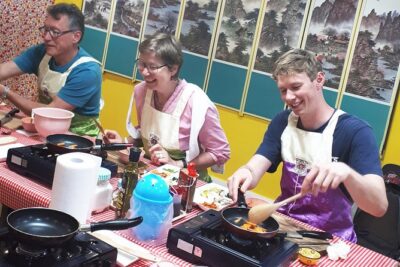
Local Home Korean Cooking Class & Market Adventure in Seoul
Read our review →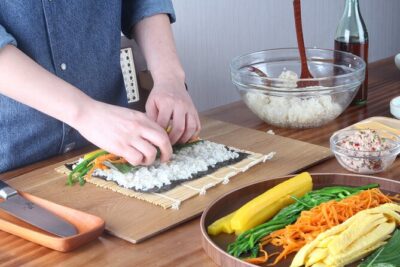
Master Korean traditional cooking with a Kimchi chef
Read our review →
Korean Cooking Class at a Local Home and Market Tour
Read our review →
Korean Cooking Class with Grocery Shopping at Seoul Local Market
Read our review →
Korean Kimchi Making Day Experience with a Local Market Tour
Read our review →