
Reviewed · COOKING CLASSES
Busan: Small-Group Traditional Korean Food Cooking Class
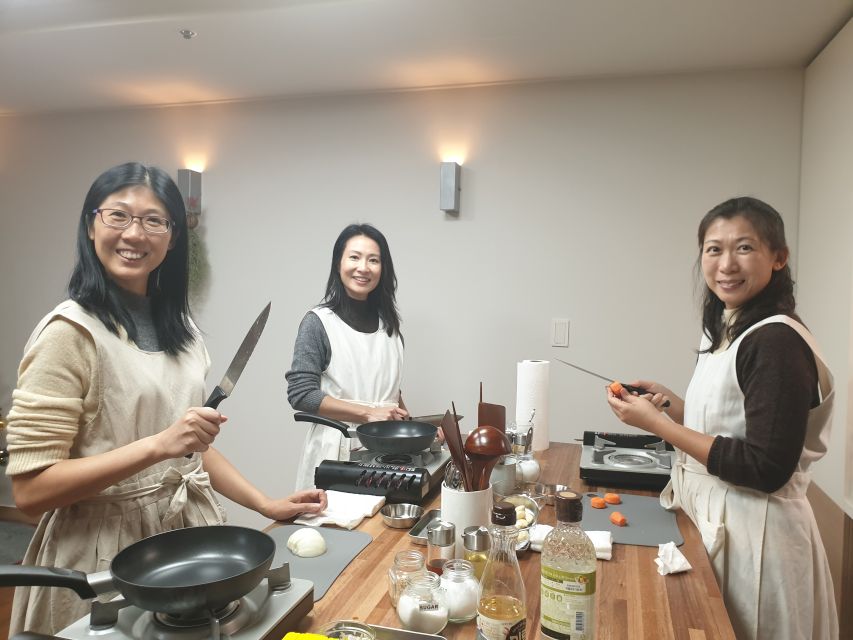
Korean food is best learned with your hands. This three-hour class near Haeundae Beach gives you two things I especially like: step-by-step cooking with fresh seasonal ingredients and a proper sit-down meal on a traditional Bapsang table. You also taste sauces, tea, and dessert instead of simply following a recipe. The main point to consider is the price, $98 per person, which is a serious spend for a cooking class, and the menu may change with the season.
The small group keeps the lesson personal, with English and Korean instruction and a maximum listed between nine and ten participants. Min receives especially warm praise for clear explanations, Korean food knowledge, and helpful Busan advice, while Kim is also named as an engaging instructor. You should also note the vegan requirement: request suitable ingredients when booking, or at least 24 hours ahead.
In This Review
- Key points at a glance
- A cooking class near Haeundae Beach
- Starting with sauces, ingredients, and a welcome drink
- Making bibimbap, one layer at a time
- What else may appear on your plate
- Eating at a personal Bapsang table
- Tea and Korean dessert to close
- How much value do you get for $98?
- The instructors and teaching style
- Group size, timing, and comfort
- Who should book this Busan activity?
- Booking and cancellation details
- Should you book the BAPSANG cooking class?
- FAQ
- Where is the Korean cooking class held?
- How do I reach the class by subway?
- How long does the class last?
- What food will I cook?
- Is a vegan meal available?
- What is included in the price?
- Is hotel pickup included?
Key points at a glance
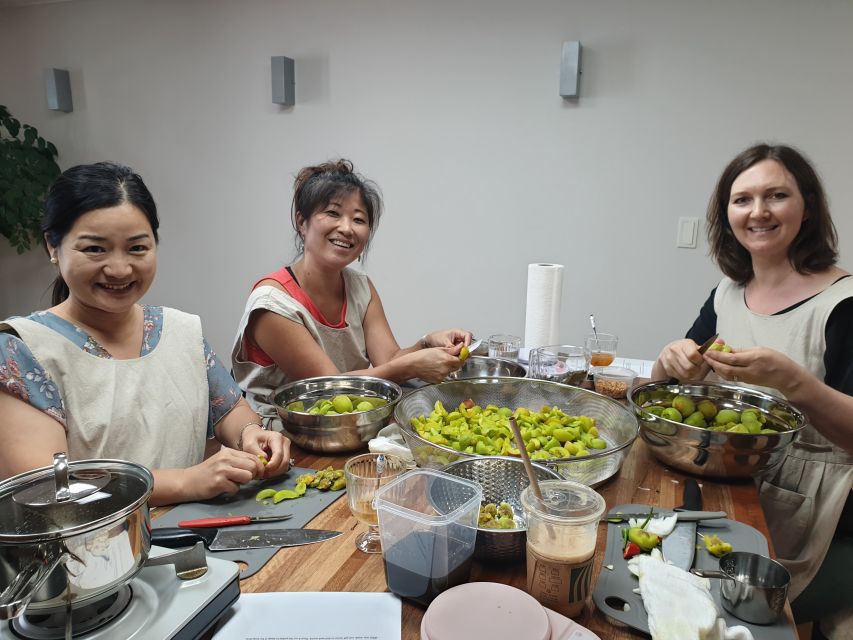
- Bibimbap made by you: Prepare the famous rice bowl with vegetables, meat, sauces, and careful assembly.
- More than one dish: Past menus have included seaweed and beef soup, Korean vegetable pancakes, and other homemade foods.
- Bapsang dining: Place your finished dishes on a personal traditional Korean dining table and eat what you cooked.
- Tea and dessert finish: The class closes with Korean tea and a sweet tasting, giving the meal a gentle ending.
- Small, friendly setting: The group is limited, with utensils, apron, ingredients, water, and instruction included.
- Useful take-home extras: You receive recipes, a certificate, and a surprise gift.
A cooking class near Haeundae Beach
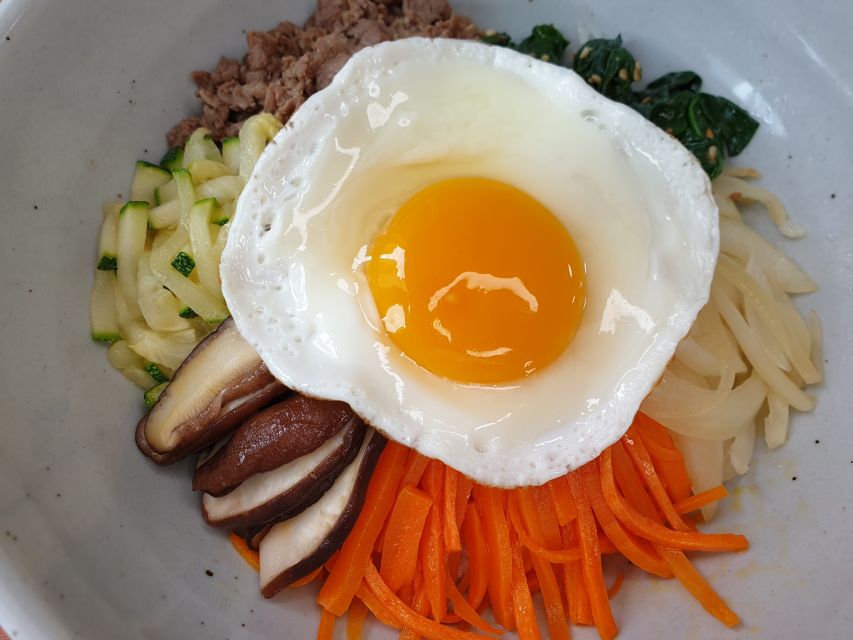
The class takes place at Flat 2406 in Hoabin Busan Haeundae, at 37 Marine City 3-ro in Haeundae. That puts the lesson in Marine City, a useful location if you are staying around Haeundae Beach or planning a day in eastern Busan.
The nearest subway stop is Dongbaek Station on Line 2, the green line. From Exit 1, allow about ten minutes on foot. You can also use buses to Daewoo Marina Apartment, followed by a seven-minute walk, or Dongbaek Stop, followed by about fifteen minutes on foot.
I would allow extra time for finding the correct building and apartment. This is not a street-front restaurant where you can simply spot a large cooking-school sign. Have the full address ready on your phone, and arrive with enough time to get upstairs without rushing.
The location works well as part of a Haeundae day. You can schedule the class before or after time by the beach, though the three-hour lesson is long enough that you should not try to squeeze in a tightly timed attraction immediately afterward.
More Food Tours in Busan
- 4-Hours Hiking and Tasting Rice Wine in the Mountain of Busan
★ 5.0 · 79 reviews - Busan: Hiking and Tasting Rice Wine in the Hidden Village
★ 4.9 · 74 reviews - Busan history and market food tour with local chef
★ 5.0 · 58 reviews
Starting with sauces, ingredients, and a welcome drink
The class begins with a welcome drink, then the instructor introduces the ingredients. This opening matters because Korean cooking depends on sauces and seasonings that may be unfamiliar if you usually cook Western food.
Rather than treating gochujang, soy-based sauces, and other condiments as mysterious bottled ingredients, the class lets you taste them. That simple step helps you understand the balance of salty, sweet, spicy, fermented, and savory flavors in Korean food.
The exact ingredient list depends on the menu and season, but the food is described as traditional Korean home cooking made with fresh local seasonal ingredients. That is more useful than a class built around one fixed tourist recipe. You get a sense of how Korean meals are assembled and seasoned, not just how to copy one restaurant dish.
The instructors also explain the cultural background of the food. Min is praised for connecting the recipes with Korean customs and history, while other participants found her English clear and easy to follow. Korean and English are the listed teaching languages.
Making bibimbap, one layer at a time
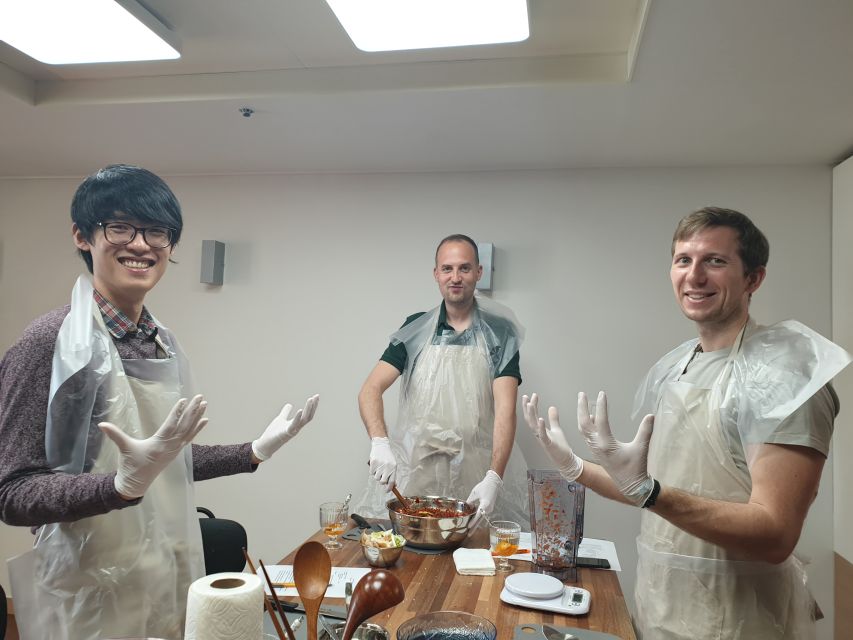
Bibimbap is the main attraction. The dish combines rice with assorted vegetables, meat, and sauce, then brings everything together in one bowl. It looks simple when it reaches a restaurant table, but the class shows you the work behind that neat arrangement.
You follow the instructor through the preparation and cooking rather than watching a demonstration from across the room. The instructions are designed to be manageable within the three-hour session, including time to cook and eat.
The value here is practical. You learn how separate ingredients can retain their own character while still working as one dish. You also see why the order of preparation and the final seasoning matter. Once you make bibimbap yourself, Korean restaurant menus become easier to understand.
The class is suitable for families as well as adults. A 12-year-old participant was able to follow the lesson and enjoy preparing the food with a parent. Still, this is an active class, so young children need to be comfortable listening, handling ingredients, and working at the cooking station.
What else may appear on your plate
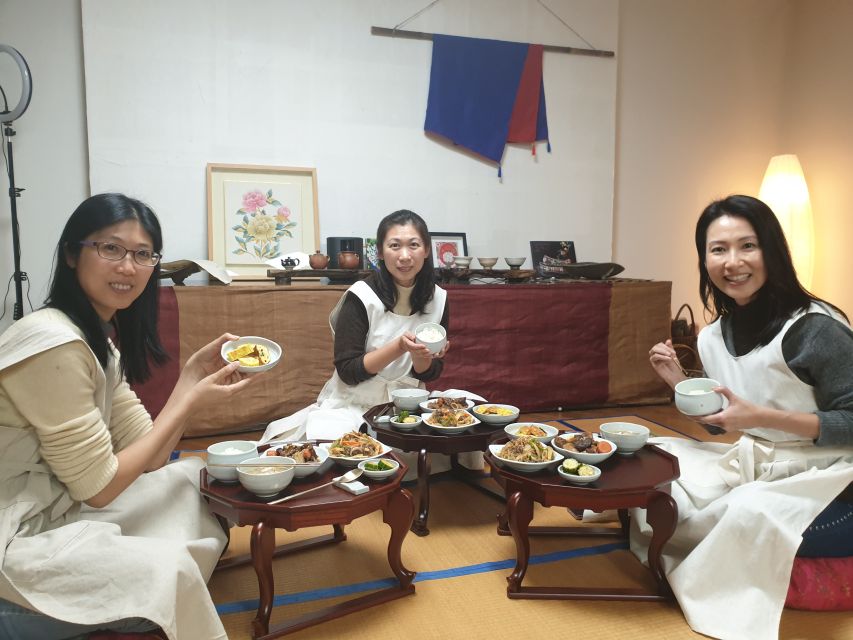
Bibimbap is not necessarily the only dish. Menus described by past participants have included Miyeok Guk, a seaweed and beef soup, and Buchu Jeon, a Korean vegetable fritter or pancake. One menu also included three dishes in total, giving the meal more range than a single rice bowl.
This variety is one of the strongest parts of the class. A bowl of bibimbap teaches you about rice, vegetables, meat, and seasoning. Soup adds another Korean meal pattern, while a savory pancake shows how simple vegetables can become a crisp, shareable dish.
You should not book expecting a guaranteed menu beyond the promised bibimbap and traditional meal. Seasonal ingredients are part of the appeal, but they also mean the supporting dishes can vary. If you have a food allergy or strict dietary need, ask ahead rather than assuming a standard substitution will be available.
Vegan food can be prepared if requested at booking or at least 24 hours in advance. The supplied information specifically calls out vegan meals, but it does not give a full allergy policy, so contact the provider directly for any other serious dietary concern.
More Busan trips:
- Busan: Gyeongju Guided Day Trip to Three Kingdoms Capital
★ 4.8 · 1,925 reviews - Small Group Full Day Busan Tour (Max 6 Pax)
★ 5.0 · 1,464 reviews - From Busan: Gyeongju UNESCO World Heritage Guided Day Tour
★ 4.8 · 1,250 reviews - Busan Private Tour with licensed tour guide + private vehicle
★ 5.0 · 1,143 reviews
Eating at a personal Bapsang table
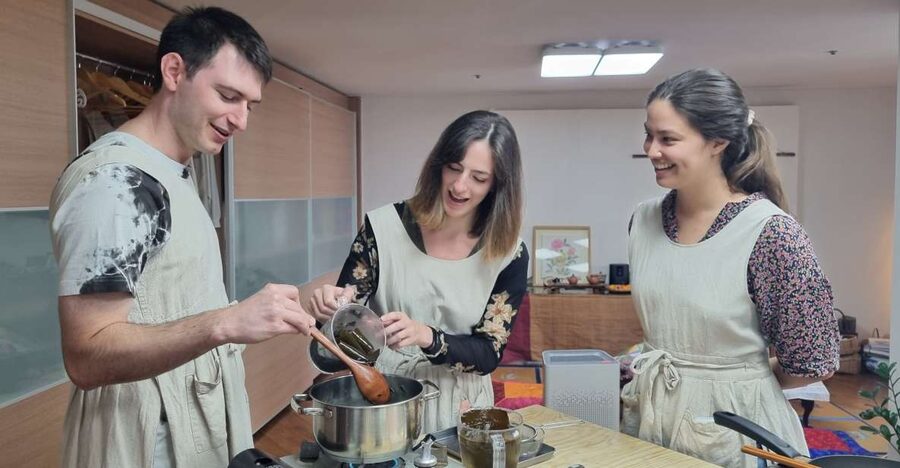
After the cooking, you place your food on a Bapsang, a traditional personal dining table. This is a small detail with real cultural value. You are not merely carrying a finished bowl to a generic classroom table. The meal is presented as a Korean home-style dining moment.
You then eat the food you prepared, with condiments and beverages alongside the dishes. The class includes water, and the meal includes dessert. Since the cooking takes place before lunch or dinner, the food is not a token sample. It is the main meal of the session.
I like this format because it completes the lesson. You taste the result while the steps are still fresh in your mind, and you can judge the seasoning for yourself. If something turned out differently than expected, the instructor can explain what happened while you are still sitting together.
The Bapsang setting also gives the class a slower finish. Korean food culture is not only about individual recipes. It is also about how food is arranged, served, and enjoyed as part of a meal.
Tea and Korean dessert to close
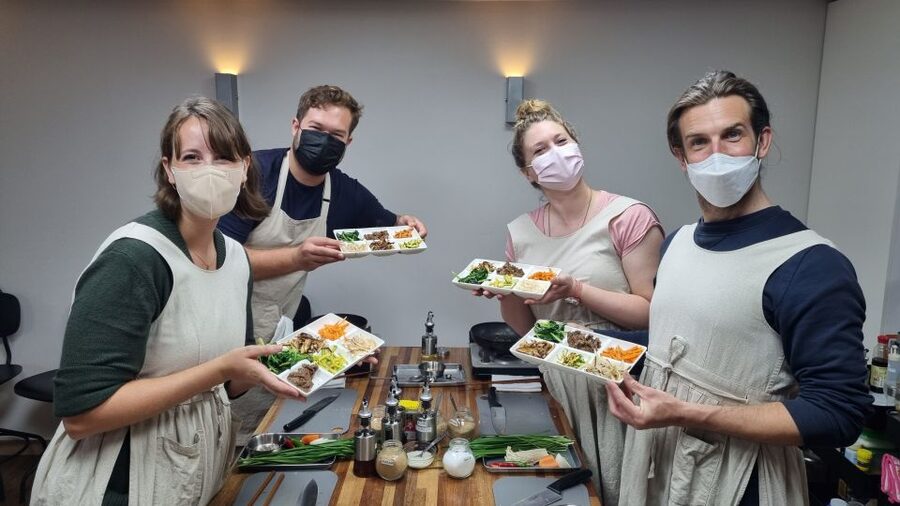
The final tasting includes traditional Korean tea and dessert. After several hours of chopping, mixing, and cooking, this is a pleasant change of pace.
Dessert details are not specified in advance, so you should see this as a tasting rather than a guaranteed named sweet. The same applies to the tea. The class promises a Korean dessert and tea experience, but the precise choices may depend on availability and the seasonal menu.
This closing course adds something that many cooking classes skip. You get a brief look at Korean food beyond the savory dishes that most international visitors already know. It also gives you time to ask final questions and talk with the instructor and the other people in your group.
How much value do you get for $98?
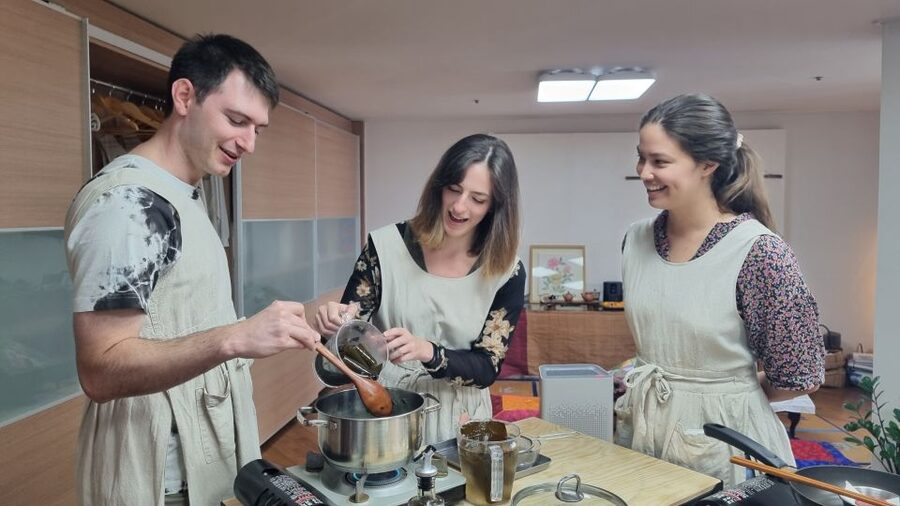
At $98 per person, this is not a budget meal. You can eat Korean food for less in Busan, and a three-hour class costs more than ordering bibimbap at a restaurant.
The price makes more sense if you value instruction, cultural context, and a full meal rather than food alone. Your fee covers the ingredients, apron, utensils, cooking lesson, meal, dessert, water, recipes, certificate, and a surprise gift. You also receive a small-group format rather than being lost in a large demonstration.
The recipes are especially useful. A restaurant meal disappears when you leave. A recipe lets you try the dish again at home, although some Korean ingredients may be harder to find depending on where you live.
The certificate and gift are minor extras, but they help mark the occasion. The real value is the guided practice and the chance to ask questions while preparing several dishes.
I would book this for someone who wants a cultural activity and a meal in one. I would skip it if your main goal is simply to eat cheaply, or if you dislike organized instruction and would rather explore Busan’s markets independently.
The instructors and teaching style
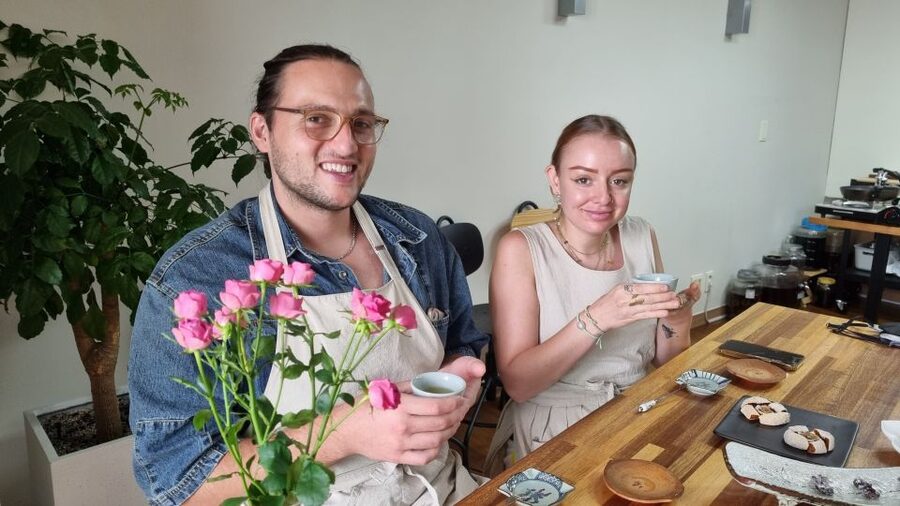
Min is the instructor most often named in the available feedback. Her strengths are clear English, warm hosting, careful organization, and explanations that connect cooking with Korean culture. She also gives suggestions about what to see and do around Busan, which can be helpful if you are still planning your days.
Several people describe her as easy to understand and good at explaining each step. That matters in a cooking class, where unclear timing or instructions can quickly turn a relaxed lesson into kitchen confusion.
Kim is also praised for giving useful insight into Korean cooking and selecting recipes that fit the available time. Since more than one instructor may lead the class, the precise personality and menu could vary.
The listed languages are English and Korean. If you need instruction in another language, this class may not be the right fit.
Group size, timing, and comfort
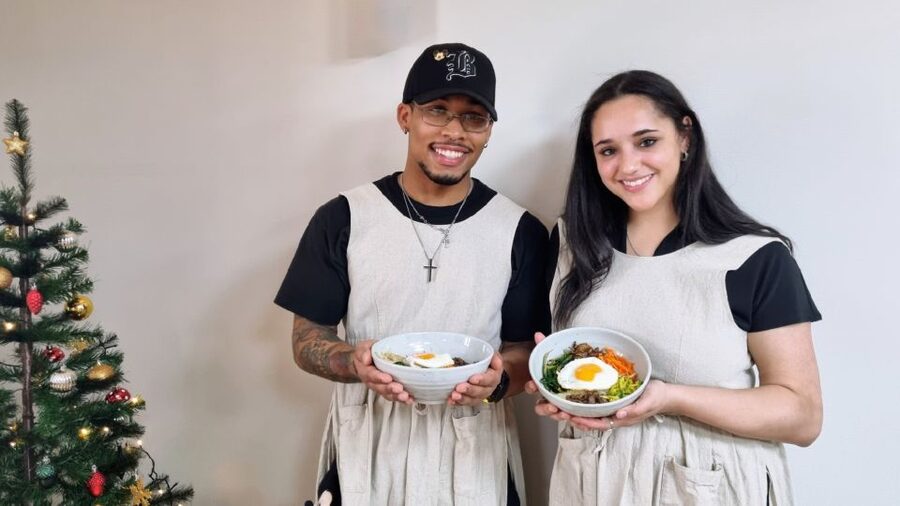
The class lasts three hours and is described as a small-group activity. The information gives two slightly different limits, nine participants in one place and ten in another, so expect a small group of roughly that size.
That size should allow more contact with the instructor than a large cooking demonstration. You can watch the technique, ask questions, and receive help as you work. It also means you will be cooking beside other people, so the room will not feel like a private lesson.
Aprons and utensils are provided, and ingredients are included. You do not need to bring cooking equipment. Wear something comfortable for an active food lesson, though no special clothing requirement is given.
Starting times vary. Check the available session times when booking, and remember that pickup and drop-off are not included. You make your own way to the Marine City address.
The class is listed as wheelchair accessible. If you have specific mobility needs, it is still sensible to confirm the building and apartment access before booking, since the activity takes place at a numbered apartment location.
Who should book this Busan activity?
I would recommend it most strongly to:
- First-time visitors who want context for the Korean food they will eat elsewhere
- Couples or friends looking for a shared activity near Haeundae
- Families with older children who can follow cooking instructions
- Home cooks who want recipes they can use after returning home
- Vegetarians and vegans who request suitable ingredients early
- People who enjoy meeting others in a small group
It is less suitable for anyone seeking a quick activity. Three hours is a meaningful block of your Busan schedule, and the class asks you to participate rather than sit back.
It may also disappoint you if you expect a fixed menu with restaurant-level presentation. This is homemade Korean food, prepared by you, with seasonal variation. That is part of its charm, but it also means the result depends partly on your own kitchen skills.
Booking and cancellation details
The cost is $98 per person. You can reserve and pay later, which helps if your Busan plans are still shifting. Free cancellation is available up to 24 hours in advance for a full refund.
There is no hotel pickup or drop-off. Use Dongbaek Station, a local bus, or your own transport to reach the meeting point, and leave time to find Flat 2406.
If you want a vegan meal, make that request at the time of booking or no later than 24 hours before the class. The provider is Korean Cooking Class BAPSANG in Busan.
Should you book the BAPSANG cooking class?
Book it if you want to understand Korean food by preparing it, eating it, and taking the recipes home. The combination of bibimbap, possible soup and vegetable pancake, sauce tasting, Bapsang dining, tea, and dessert gives you a fuller picture than a quick cooking demonstration.
The strongest reason to choose it is the teaching. Min is repeatedly praised for warmth, clear English, cultural explanations, and useful Busan suggestions, while Kim also receives positive attention as an instructor. The class has earned a 4.9 rating from 58 reviews, which matches the consistent praise for the food and instruction.
At $98, it is a splurge. But for three hours of hands-on cooking, a complete meal, small-group attention, recipes, and cultural explanation, I think it offers fair value for the right person. If Korean food is a major part of your trip, this is a worthwhile Haeundae activity. If you only want lunch, spend less at a local restaurant and keep your afternoon free.
FAQ
Where is the Korean cooking class held?
It is held at Flat 2406, Hoabin Busan Haeundae, 37 Marine City 3-ro, U 1(il)-dong, Haeundae, Busan, South Korea.
How do I reach the class by subway?
Take Busan Subway Line 2, the green line, to Dongbaek Station. From Exit 1, the meeting point is about a ten-minute walk.
How long does the class last?
The cooking class lasts three hours. Starting times depend on availability when you book.
What food will I cook?
Bibimbap is included. Past menus have also included Miyeok Guk, a seaweed and beef soup, and Buchu Jeon, a Korean vegetable pancake or fritter. Supporting dishes can vary.
Is a vegan meal available?
Yes, but you must request vegan ingredients when booking or contact the provider at least 24 hours before the class.
What is included in the price?
The price includes cooking ingredients, utensils, an apron, the meal, dessert, water, and recipes to take home. A certificate and surprise gift are also provided.
Is hotel pickup included?
No. Pickup and drop-off are not included, so you need to make your own way to the Haeundae meeting point.
More Workshops in Busan
- [BUSAN,GamcheonVillage] Private Korean Art Painting Class
★ 5.0 · 20 reviews - Korean Pottery Town Tour with the pottery class from Busan
★ 5.0 · 7 reviews - Busan private tour : K-pop dance class + tour
★ 5.0 · 6 reviews - Busan Dialect Class with local snack
★ 5.0 · 3 reviews
More Cooking Classes in Busan
- Korean cooking class in Haeundae, Busan
★ 5.0 · 92 reviews - Busan Tailored Korean cooking class (Vegan OK)with market tour
★ 5.0 · 66 reviews - Busan Local Food Cooking Class with Market Tour
★ 5.0 · 53 reviews - Busan Kkakdugi(Korean radish Kimchi) class with various options
★ 5.0 · 6 reviews
Just added in Busan
- Small Group 7D Korea package Tour with Seoul Gyeongju Busan Jeju★ 4.5 · 13 reviews
- Private Transfer from Seoul to Busan(up to 12 passengers)★ 5.0 · 1 review
- Jinhae Cherry Blossom + Busan Sunrise from Seoul★ 4.5 · 5 reviews
- 7 days Flexible Tour for Major Cities(Seoul,Busan,Gyeongju etc)★ 5.0 · 5 reviews
- PREMIUM 5 Days Tour for Wonder of Korea(Mt. Seoraksan, Andong, Gyeongju, Busan)★ 5.0 · 1 review
- 5 Days Tour for Korea’s past and present(Mt.Seoraksan, Andong, Gyeongju, Busan)★ 5.0 · 1 review
- 7 Days Highlight Korea Tour(Seoul, Nami, DMZ, Andong, Gyeongju, Busan)★ 5.0 · 1 review
- 5-Day Korea Golden route by K-shuttle Tour from Seoul Including Busan, Yeosu★ 4.5 · 37 reviews
Cooking Classes, compared.
Local Home Korean Cooking Class & Market Adventure in Seoul
Read our review →
Master Korean traditional cooking with a Kimchi chef
Read our review →
Korean Cooking Class at a Local Home and Market Tour
Read our review →
Korean Cooking Class with Grocery Shopping at Seoul Local Market
Read our review →
Korean Kimchi Making Day Experience with a Local Market Tour
Read our review →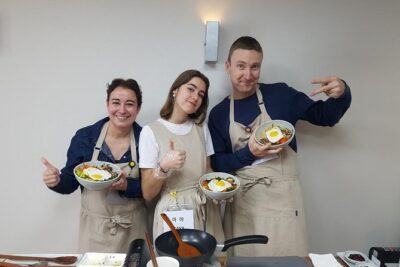
Browse the lists this tour appears in