
Reviewed · UNESCO WORLD HERITAGE TOURS
Full Day Private car tour to UNESCO Gyeongju&Yangdong village
History comes alive around every corner. This private car tour links Gyeongju’s Silla-era monuments, traditional villages, palace ruins, and food streets in one flexible day. I like the freedom to choose your stops and the comfort of having a licensed driving guide handle Busan’s roads and parking. I also like that the vehicle, fuel, tolls, parking, and guide costs are included.
The main drawback is time. The possible stop list is much longer than one day can comfortably hold, and admission fees plus lunch are extra. You will need to choose carefully, especially if you want both Yangdong Village and the main sights in central Gyeongju.
In This Review
- Key points to know before booking
- Why a private car makes sense for Gyeongju
- Bulguksa Temple and the Silla beginning
- Yangdong Folk Village, old homes in a living setting
- The royal tombs and Cheonmachong
- Cheomseongdae and the science of Silla
- Donggung Palace and Wolji after dark or by day
- Gyochon Village and Woljeonggyo Bridge
- Hwangnidan-gil for food and a modern break
- Gyeongju National Museum as your indoor choice
- How to plan the nine-hour day
- Price, inclusions, and real value
- Who should book this Gyeongju day?
- Should you book it?
- FAQ
- How long does the tour last?
- Where can the tour start and finish?
- How many people can join?
- Is lunch included?
- Are entrance fees included?
- What costs are included?
- What fitness level is needed?
- Can I cancel for a full refund?
Key points to know before booking
- Choose your own Gyeongju day: You can select from Bulguksa Temple, Yangdong Folk Village, royal tombs, palace ruins, museums, villages, and more.
- A private vehicle saves time: Fuel, tolls, parking, and the air-conditioned car are included, which matters on a long day from Busan.
- Expect about six main visits: The tour allows roughly nine hours, while the detailed description also refers to a 10-hour customizable tour.
- Guides are praised for personal care: Park Jin Hyouck, Ted, and Kei are named as helpful guides who assisted with planning, food suggestions, history, and family needs.
- Admission costs are separate: Lunch, personal spending, and entrance fees are not included in the $430 group price.
- Yangdong Village changes the character of the day: It offers old homes and rural views, but it takes time to reach and explore properly.
Why a private car makes sense for Gyeongju
Gyeongju is spread out. Bulguksa Temple sits away from the central royal tombs, while Yangdong Folk Village lies farther north. Add the museum, palace ruins, traditional villages, and Hwangnidan-gil, and public transportation can make a full day feel like a series of waits.
A private car gives you a useful advantage: you can move between major sites without repeatedly figuring out connections. Your guide handles driving, parking, tolls, and the route. You can then spend your energy looking at Silla stonework, old tiled roofs, and the wooded paths around the tombs.
The tour is private for your group, with space for up to eight people. That makes it especially practical for families or mixed-age groups. One guide, Park Jin Hyouck, is praised for helping a party that included two older adults and two young children. That kind of flexibility matters more than a fixed sightseeing script when people walk at different speeds.
The pickup can be arranged from Busan or Gyeongju, and a round-trip or one-way plan is possible. Confirm the exact pickup and drop-off points before you pay, particularly if you are combining Gyeongju with another part of your Korean trip.
More Busan trips:
- Busan: Gyeongju Guided Day Trip to Three Kingdoms Capital
★ 4.8 · 1,925 reviews - Small Group Full Day Busan Tour (Max 6 Pax)
★ 5.0 · 1,464 reviews - From Busan: Gyeongju UNESCO World Heritage Guided Day Tour
★ 4.8 · 1,250 reviews
Bulguksa Temple and the Silla beginning
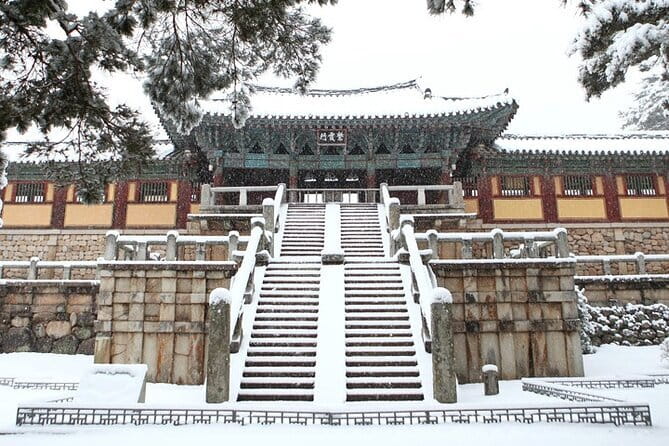
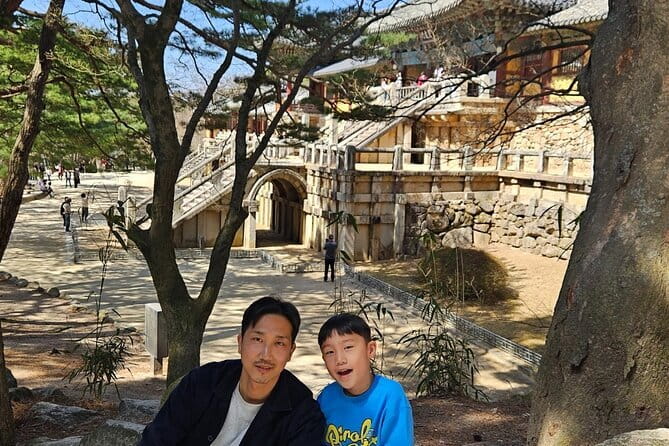
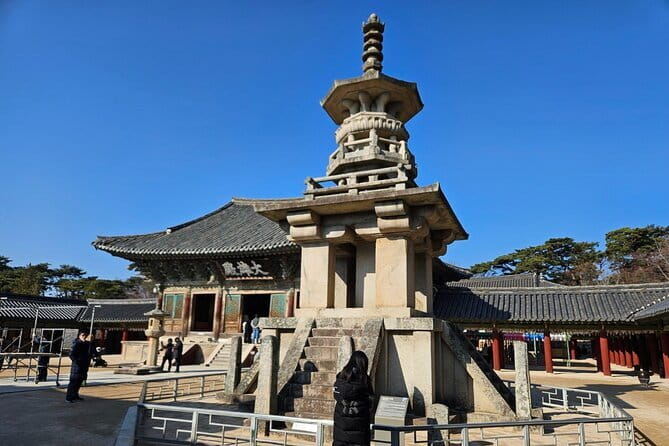
Bulguksa Temple is one of the strongest choices for your day. It represents Buddhist culture from the Silla kingdom and was built to express hopes for peace and prosperity. The temple’s stone stairways, courtyards, wooden halls, and carefully restored details offer a clear introduction to the era that made Gyeongju the center of Korean power.
The site is linked with Seokguram Grotto and was named a UNESCO World Cultural Heritage site in 1995. The temple holds seven national treasures along with other important heritage objects. Restoration has continued since the early 20th century, so what you see today combines old surviving elements with careful repair.
Allow about one hour. That is enough for a focused visit, but not enough for a slow examination of every corner. If autumn color matters to you, Bulguksa is also a good choice during the maple season.
The practical catch is that this is not a flat, effortless stop. You should expect steps and some walking. The tour requires moderate physical fitness, so tell the guide if anyone in your group needs a slower pace or extra breaks.
Yangdong Folk Village, old homes in a living setting
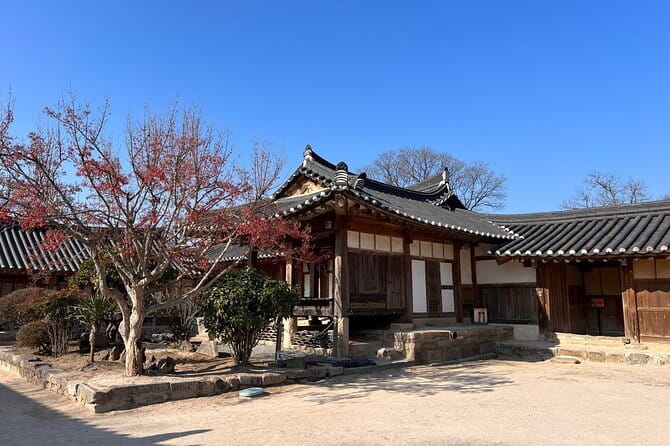
Yangdong Folk Village gives the day a different feel from Gyeongju’s monuments. Instead of viewing one temple or excavation, you walk through a broad traditional settlement with old tiled homes, thatched cottages, lanes, and mountain views beyond the village.
The village preserves about 160 traditional houses. Fifty-four homes are more than 200 years old, and some cottages date back roughly 500 years. The setting helps you understand how families lived in the Joseon period, with houses placed across the valley and hills rather than arranged as a museum display.
The village is Korea’s largest traditional village of this kind and is protected for its cultural importance. King Charles III visited in 1993, another sign of its national profile, though the real appeal is quieter: old walls, rooflines, wooded slopes, and the feeling of a community shaped over centuries.
Plan on at least one hour, and remember that the entrance fee is not included. The village can also be a demanding choice if you want to pack in many central Gyeongju sights. I would choose Yangdong when traditional architecture and rural scenery matter more to you than checking off every city monument.
The royal tombs and Cheonmachong
Daereungwon Tomb Complex is one of the easiest places to appreciate Gyeongju’s identity as an ancient capital. Large grassy burial mounds rise across the grounds, giving the area a calm, open quality despite its central location.
The tombs date mainly from the late fifth and early sixth centuries. Excavations produced royal objects including gold crowns, gold caps, gold belts, gold diadems, and gilt-bronze shoes. The gold crown from the complex is known for its size and elaborate workmanship.
Allow about an hour for Daereungwon. You can then spend another 30 minutes inside Cheonmachong Tomb, the only tomb in the complex open to the public. It was excavated in 1973 and measures about 12.7 meters high and 50 meters across.
Cheonmachong takes its name from Cheonmado, a painted heavenly horse found on a mudguard saddle flap. The tomb’s interior gives you a more direct sense of how burial mounds were built and what was placed inside them. The admission fee is separate, but this is one of the most worthwhile paid stops if you want more than an exterior view.
More Gyeongju trips:
- Gyeongju UNESCO World Heritage Guided Day Tour from Busan
★ 5.0 · 660 reviews - Old Korea Thousand History Tour of Gyeongju from Busan
★ 5.0 · 518 reviews - Busan: Gyeongju UNESCO Legacy Tour with National Museum
★ 5.0 · 172 reviews - From Busan to Gyeongju UNESCO Legacy Tour with National Museum
★ 5.0 · 87 reviews
Cheomseongdae and the science of Silla
Cheomseongdae Observatory is a small but important stop. Built during the reign of Queen Seondeok, from 632 to 647, it is thought to have been used to observe the movement of heavenly bodies.
It is regarded as the oldest astronomical observatory in Asia. You do not need a long visit, and 30 minutes is generally enough for the monument and its surroundings. Its value comes from what it represents: Silla was not only a kingdom of temples and tombs, but also a society capable of careful astronomical observation and advanced stone construction.
I would pair Cheomseongdae with Daereungwon because they are part of the same central Gyeongju sightseeing area. If your group prefers a museum or café stop, this is also one of the easier places to shorten.
Donggung Palace and Wolji after dark or by day
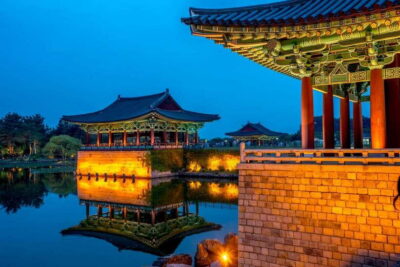
Donggung Palace and Wolji Pond was a secondary palace complex of Silla. The eastern palace was connected with the crown prince and hosted banquets during important celebrations or visits from notable guests.
The restored palace buildings and pond are designed for a one-hour visit. The water, buildings, and surrounding grounds make this one of Gyeongju’s more scenic heritage stops. The site is especially appealing if you enjoy seeing how royal architecture worked as a setting for ceremony, not just as a residence.
Admission is included at this stop according to the supplied tour details, though the general tour terms also say attraction entrance fees are excluded. Because those two statements do not fully agree, confirm the current entrance arrangement before departure.
Gyochon Village and Woljeonggyo Bridge
Gyeongju Gyochon Traditional Village offers a close look at old hanok houses and Joseon-era learning. The key site is Gyeongju Hyanggyo, a Confucian academy and shrine. In 682, the area was connected with Gukhak, described as Korea’s first state-operated educational institute.
Give the village about an hour if you want to look beyond the most photogenic houses. It is a good counterpoint to Bulguksa because it shows Confucian traditions and local residential life rather than Buddhist worship.
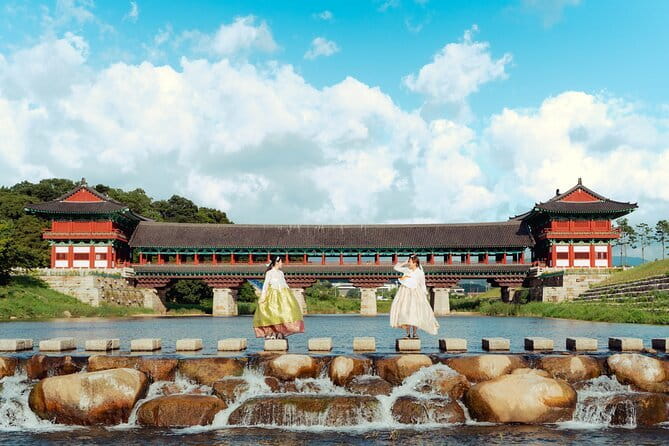
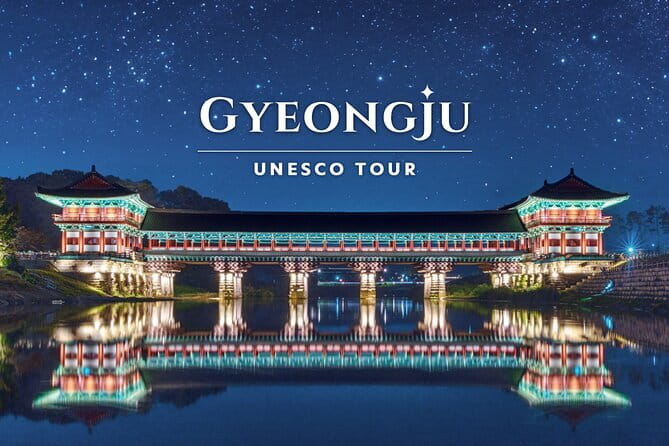
Nearby Woljeonggyo Bridge makes a fine short stop. The original bridge was built during the Unified Silla period, from 676 to 935, but was later destroyed by fire during the Joseon dynasty. It was reconstructed in 2018 and is now described as Korea’s largest wooden bridge.
The detailed stop information allows about 20 minutes for the bridge, although another section suggests an hour. That difference is worth noting. Use 20 minutes for a quick look, or longer if the bridge is a major reason for choosing the tour.
Hwangnidan-gil for food and a modern break
Hwangnidan-gil is where Gyeongju’s old architecture meets current Korean café and food culture. Restaurants, cafés, photo studios, and shops occupy traditional hanok-style buildings, while some older structures from the 1960s and 1970s remain part of the street’s look.
This is the most natural place to stop for lunch. The tour gives you free meal time here or allows the guide to recommend Korean food suited to your taste. Lunch is not included, so you can choose how much to spend.
Give the street 30 minutes for a quick stop, or about an hour if you want to eat and browse. I would not treat Hwangnidan-gil as just a filler stop. After temples, tombs, and village houses, it gives you a picture of how Gyeongju works as a living city today.
Gyeongju National Museum as your indoor choice
The Gyeongju National Museum is listed as an optional one-hour visit. It can be the smartest swap if the weather is poor, if your group wants context before seeing the monuments, or if you prefer objects to outdoor walking.
The museum helps connect the gold crowns, Buddhist art, royal culture, and Silla craftsmanship seen elsewhere in town. Since the day cannot comfortably include every listed stop, I would choose the museum over one of the shorter photo stops if you want a stronger historical explanation.
Your guide can help decide where it fits. A private tour works best when you use that flexibility rather than trying to force every location into the schedule.
How to plan the nine-hour day
The stop times add up to far more than nine hours, even before driving. That is intentional. You are choosing highlights, not following a fixed route that guarantees every site.
A practical plan might include:
- Bulguksa Temple
- Daereungwon and Cheonmachong
- Cheomseongdae
- Donggung Palace and Wolji
- Hwangnidan-gil for lunch
- Yangdong Folk Village
That is already a full day, especially from Busan. Another plan could replace Yangdong with Gyochon Village and the museum, reducing time in the car and giving you more central Gyeongju sights.
The tour description uses both nine hours and 10 hours. Treat it as approximately nine hours unless the provider confirms otherwise. Ask how long the driving time from your pickup point will take, then decide how many stops are realistic.
Price, inclusions, and real value
The price is $430 per group of up to eight people. At full capacity, that works out to $53.75 per person before admissions and lunch. For a smaller group, the per-person cost rises, but you are buying private transport, a driver-guide, route flexibility, parking, fuel, tolls, and pickup and drop-off service.
That package can be good value when you are traveling with family, older adults, or friends who would otherwise need several taxis or a complicated public transport plan. It is less compelling for a solo visitor or couple who only want central Gyeongju and are comfortable using local transport.
The guide service is a major part of the value. Park Jin Hyouck is praised for caring for groups with children and older adults. Ted helped make a last-minute booking work, while Kei is praised for punctual driving, historical explanations, local food suggestions, and wider travel advice. Guide assignments can change, so do not assume you will receive a particular person, but these examples show the kind of service the operator aims to provide.
Fuel, parking, tolls, taxes, the vehicle, and the licensed driving guide are included. Meals, personal costs, and attraction admissions are not. Carry a separate budget for those items.
Who should book this Gyeongju day?
I would recommend this tour to families, groups of friends, and anyone staying in Busan who wants to see Gyeongju without renting a car. It is also useful for people who want a private pace, a one-way option, or help combining distant sites.
The tour suits you if you care about choice. You can focus on Buddhist heritage, royal tombs, old villages, food, or a mixture of all four. The private format also makes it easier to adjust the day when someone needs a break.
I would hesitate if you dislike car travel, want a slow single-site visit, or expect every listed attraction to fit in one day. Yangdong Village and Bulguksa deserve time, and central Gyeongju has enough sights to fill the day without adding a long rural detour.
Free cancellation is available up to 24 hours before the start time for a full refund. Changes or cancellations inside that window are not accepted for a refund.
Should you book it?
Book this private Gyeongju and Yangdong Village tour if you want efficient transport, personal help, and control over the day. The strongest plan is to choose four or five major cultural stops, then leave room for lunch and unhurried walking.
For most groups, the best balance is Bulguksa, Daereungwon with Cheonmachong, Cheomseongdae, Donggung and Wolji, and either Yangdong Village or Hwangnidan-gil. If traditional rural life matters most, choose Yangdong. If you prefer food, cafés, and a shorter route, stay around central Gyeongju.
FAQ
How long does the tour last?
The tour is described as approximately nine hours. The detailed information also refers to a 10-hour customizable tour, so confirm the exact duration with the provider.
Where can the tour start and finish?
Pickup and drop-off can be arranged from preferred places in Busan or Gyeongju. A round-trip or one-way plan is available.
How many people can join?
The private vehicle can accommodate a group of up to eight people. Only your group participates in the activity.
Is lunch included?
No. Lunch is separate. You can use free meal time at Hwangnidan-gil or ask the guide for a Korean food recommendation suited to your taste.
Are entrance fees included?
The general tour information says attraction entrance fees are not included. The stop details specifically mark Donggung and Wolji and Cheonmachong as admission included, so confirm the current policy before booking.
What costs are included?
Fuel, parking, tolls, taxes, the air-conditioned vehicle, pickup and drop-off, and assistance from a licensed driving guide are included.
What fitness level is needed?
A moderate level of physical fitness is recommended. Several stops involve walking, and Bulguksa Temple may include steps.
Can I cancel for a full refund?
Yes, if you cancel at least 24 hours before the experience start time. Cancellations or changes made less than 24 hours before the start time are not refunded or accepted.
More Private Car with Driver in Busan
- Busan: Private Car Charter Customized City Tour
★ 4.8 · 96 reviews - BTS Landmarks Private Car Tour in Busan with a Licensed Guide
★ 5.0 · 10 reviews - Ulsan Full Day Private Car Tour from Busan with a Certified Guide
★ 5.0 · 2 reviews - Private Car Charter Tour in Busan City
★ 5.0 · 1 review
More UNESCO Sites in Busan
- Gyeongju The UNESCO World heritage sites tour(Private tour)
★ 5.0 · 17 reviews - 3-Days 2-Nights Gyeongju UNESCO Sites & Busan City [Private Tour from Seoul]
★ 4.5 · 11 reviews - UNESCO Tongdosa Temple + Gourmet Eonyang Style Bulgogi Lunch
★ 5.0 · 7 reviews - UNESCO World Heritage Gyeongju & Busan Two-city Private Tour.
★ 5.0 · 7 reviews
Just added in Busan
- Small Group 7D Korea package Tour with Seoul Gyeongju Busan Jeju★ 4.5 · 13 reviews
- Private Transfer from Seoul to Busan(up to 12 passengers)★ 5.0 · 1 review
- Jinhae Cherry Blossom + Busan Sunrise from Seoul★ 4.5 · 5 reviews
- 7 days Flexible Tour for Major Cities(Seoul,Busan,Gyeongju etc)★ 5.0 · 5 reviews
- PREMIUM 5 Days Tour for Wonder of Korea(Mt. Seoraksan, Andong, Gyeongju, Busan)★ 5.0 · 1 review
- 5 Days Tour for Korea’s past and present(Mt.Seoraksan, Andong, Gyeongju, Busan)★ 5.0 · 1 review
- 7 Days Highlight Korea Tour(Seoul, Nami, DMZ, Andong, Gyeongju, Busan)★ 5.0 · 1 review
- 5-Day Korea Golden route by K-shuttle Tour from Seoul Including Busan, Yeosu★ 4.5 · 37 reviews
UNESCO World Heritage Tours, compared.
Gyeongju UNESCO World Heritage Guided Day Tour
Read our review →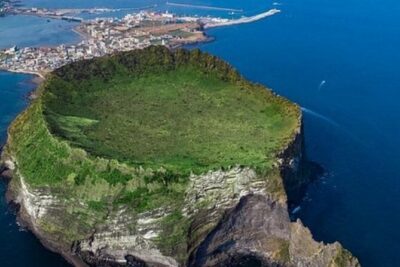
East Jeju Essentials – Seongsan Ilchulbong (UNESCO) & Haenyeo
Read our review →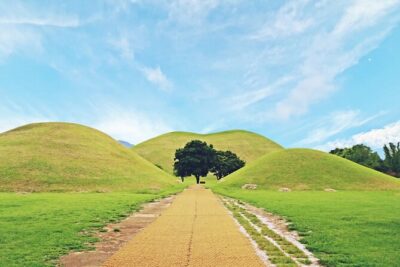
Gyeongju UNESCO World Heritage Guided Day Tour from Busan
Read our review →
Jeju Southern UNESCO Full Day Tour with Mt.Halla
Read our review →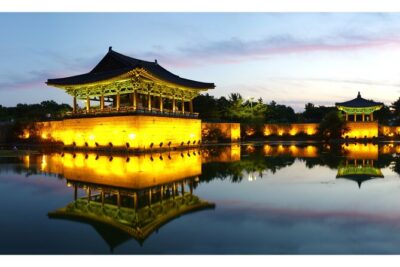
Gyeongju UNESCO sites Private tour with licensed tour guide
Read our review →
Private Gyeongju Tour – Explore Gyeongju UNESCO Sites
Read our review →Browse the lists this tour appears in