
Reviewed · GYEONGJU TOURS
Gyeongju Private Tour with hidden gem by local tour guide
History comes alive in Gyeongju. This private day trip from Busan combines major Silla sites, a flexible route, hotel transport, and an English-speaking local guide. I like the freedom to choose where you spend your time, and I like having one guide and driver instead of following a large group.
The main consideration is cost. At $250 per person, this is not a budget outing, and entrance fees plus lunch are extra. It also covers a lot of ground in eight to ten hours, so you will need to accept shorter visits if you want to include many of the listed stops.
Guide quality is central here. Jay Song, John, and Mr. Goh have each earned strong praise for friendly service, clear English, historical insight, and adapting the day to families or individual interests. For a first visit to Gyeongju, that personal help can make the price easier to justify.
In This Review
- Key points to know before booking
- Why Gyeongju works so well as a private day trip
- Bulguksa Temple: Begin with Silla-era Buddhist art
- Seokguram Grotto and a local-style tteokgalbi lunch
- Silla Arts and Science Museum: A useful change of pace
- Daereungwon and Cheomseongdae: Two important stops close together
- Gyeongju Gyochon Village: Old and new hanok traditions
- Donggung Palace and Wolji Pond after dark
- Yangdong Folk Village: A UNESCO-listed traditional community
- Gyeongju National Museum: See genuine Silla relics
- Woljeonggyo Bridge: A short final photo stop
- What the private guide adds to the day
- Is $250 per person a fair price?
- Who should book this Gyeongju tour?
- FAQ
- Where does the tour begin and end?
- How long does the tour last?
- Is the tour private?
- Is an English-speaking guide included?
- Is transportation included?
- Are entrance tickets included?
- Is lunch included?
- Can I customize the itinerary?
- Can children join the tour?
- What is the cancellation policy?
- Should you book it?
Key points to know before booking
- Private vehicle from Busan: Hotel pickup and drop-off, parking fees, tolls, bottled water, and an air-conditioned vehicle are included.
- A flexible sightseeing day: You can discuss which places matter most and adjust the time spent at each stop.
- Ten possible Gyeongju sights: The route can include Bulguksa, Seokguram, tombs, museums, traditional villages, palace remains, and Woljeonggyo Bridge.
- A strong local food moment: Tteokgalbi, grilled short rib patties, is planned for lunch, with a vegetarian option available if requested when booking.
- Good for history-minded families: The private format allows the guide to accommodate children and adjust the pace.
- Extra costs matter: Admission fees and meals are not included, and the optional Seoul to Gyeongju KTX arrangement is listed separately.
Why Gyeongju works so well as a private day trip

Gyeongju was the capital of the Silla Kingdom for about 1,000 years. Its sights are spread across the city and surrounding hills, so a private vehicle saves time between temples, tombs, museums, and old villages.
That is the main strength of this outing. You are not tied to a fixed group schedule. You can ask to focus on Buddhist art, royal tombs, traditional Korean buildings, or the city’s evening views. The guide can also help decide what to trim when the clock begins to press.
The tour runs for about eight to ten hours. That is enough for a rewarding introduction, but not enough for a slow visit to all ten possible stops. I would treat the route as a menu, not a promise that every site will receive a full hour.
Hotel pickup and drop-off from Busan add real value. You avoid arranging intercity transport, finding parking, and working out the order of distant sites. Parking fees and tolls are included, which keeps some of the day’s costs predictable.
More Busan trips:
- Busan: Gyeongju Guided Day Trip to Three Kingdoms Capital
★ 4.8 · 1,925 reviews - Small Group Full Day Busan Tour (Max 6 Pax)
★ 5.0 · 1,464 reviews - From Busan: Gyeongju UNESCO World Heritage Guided Day Tour
★ 4.8 · 1,250 reviews
Bulguksa Temple: Begin with Silla-era Buddhist art
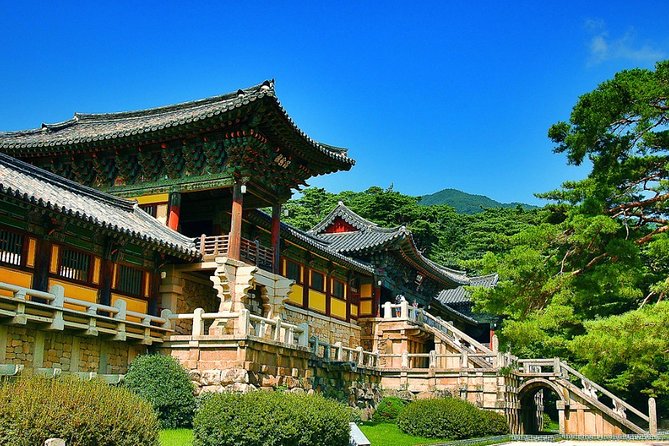
Bulguksa is one of the essential stops. The temple is designated a UNESCO World Heritage site as a masterpiece of Buddhist art in the Far East. Its setting also changes with the seasons, with cherry blossoms in spring and colorful foliage in fall.
The planned visit is about one hour. That gives you time to see the main temple grounds and listen to an explanation from the guide without turning the stop into a rushed photograph break.
I would put Bulguksa high on your priority list if you have never been to Gyeongju. It offers a clear introduction to Silla religious culture and gives the day a strong beginning. Admission is not included, so remember that the tour price does not cover every cost at the gate.
Seokguram Grotto and a local-style tteokgalbi lunch
Seokguram is reached after Bulguksa and adds a second major Buddhist site to the morning. Inside the grotto, you can see statues of devas, bodhisattvas, and disciples carved on the surrounding walls.
The scheduled visit is about one hour, with admission extra. This stop is especially worthwhile if Buddhist sculpture interests you. The guide’s ability to explain the religious figures and their place in Silla culture can make the grotto much more meaningful than a quick look at the stonework.
Lunch follows with tteokgalbi, grilled short rib patties. The meal is described as local food eaten in the Gyeongju style, though the meal itself is not included in the price. A vegetarian option is available if you advise the operator at booking.
This part of the day also shows one limit of the tour format: lunch takes time from sightseeing. That is not a flaw, since a proper meal is part of the local experience, but you should discuss your priorities with the guide if you want to fit in many more sites later.
Silla Arts and Science Museum: A useful change of pace

The Silla Arts and Science Museum offers a different way to understand the kingdom. Here, you can watch an animated film about the 1,000-year-old Silla Kingdom.
After temples and sculpture, a film can help organize the broader story. It is a practical stop for anyone who prefers visual explanations, and it may work well for children who need a break from outdoor monuments.
The visit is planned for about one hour. Admission is not included. Since private tours are adjustable, you can ask whether this stop fits your interests, particularly if you would rather spend more time at the National Museum or the historic sites.
More Gyeongju trips:
- Gyeongju UNESCO World Heritage Guided Day Tour from Busan
★ 5.0 · 660 reviews - Old Korea Thousand History Tour of Gyeongju from Busan
★ 5.0 · 518 reviews - Busan: Gyeongju UNESCO Legacy Tour with National Museum
★ 5.0 · 172 reviews - From Busan to Gyeongju UNESCO Legacy Tour with National Museum
★ 5.0 · 87 reviews
Daereungwon and Cheomseongdae: Two important stops close together
Daereungwon Tomb Complex contains large ancient tombs linked to Silla kings and nobles. The grass-covered mounds make the royal burial tradition easy to understand, even before your guide adds the historical detail.
The planned stop is only 30 minutes. That is enough to see the complex and get an explanation, but not enough for a long, unhurried walk through every part. If royal burials are a major interest, ask for more time here and shorten a less important stop.
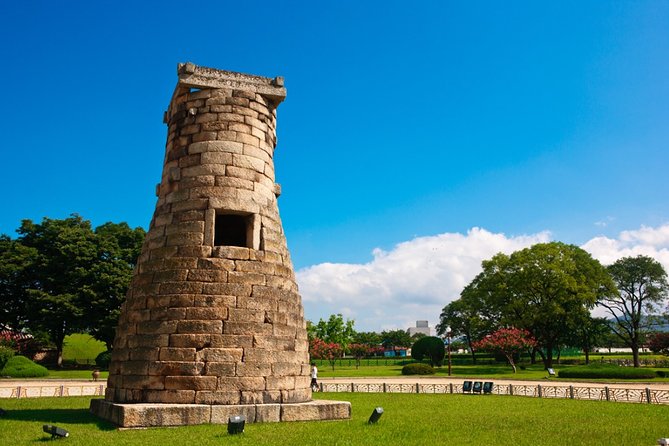
Nearby, Cheomseongdae Observatory takes another 30 minutes. Its name means star-gazing tower, and it is described as the oldest surviving astronomical observatory in Asia. The short visit works well because the observatory is close to the tomb complex and admission is free.
These two sites make an efficient pair. One explains royal power and burial customs. The other points to Silla’s interest in astronomy and science. Together, they give you more than another pretty photo stop.
Gyeongju Gyochon Village: Old and new hanok traditions
Gyeongju Gyochon Traditional Village offers a mix of old historic buildings and newly built hanok, or traditional Korean houses. The planned visit is about one hour, and there is no admission charge.
This is a good place to slow down and think about everyday life rather than royal monuments. You can see how traditional buildings were used and compare older structures with newer buildings designed in the same style.
The village is near Cheomseongdae, so it fits naturally into the central Gyeongju portion of the route. I would keep it on the plan if you want variety. After temples, tombs, and an observatory, the village gives the day a more human scale.
Donggung Palace and Wolji Pond after dark
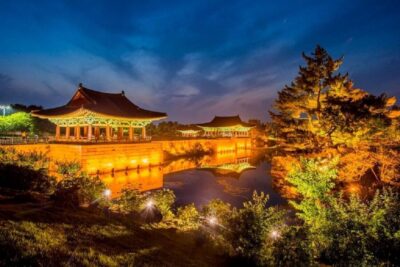
Donggung Palace and Wolji Pond, formerly known as Anapji, is one of the most atmospheric places on the route. It is known for its night view, and the schedule allows about one hour.
If your timing places this stop after sunset, the pond can be a memorable final historical site. The water and palace remains create a different mood from the daytime stops. The tour description specifically highlights the nightscape, so timing matters here.
Admission is not included. Because the tour lasts eight to ten hours and begins from Busan, you should discuss the departure time carefully if seeing Wolji Pond at night is important to you. A flexible guide can help shape the day around that goal, but the route cannot offer every site a long visit.
Yangdong Folk Village: A UNESCO-listed traditional community

Yangdong Folk Village is another UNESCO site and offers a traditional Korean village setting. The planned visit is about one hour, with admission extra.
This is a strong choice for you if historic homes and village design matter more than museums. It also gives the day a broader view of Korean culture beyond the Silla capital itself.
The practical question is time. With ten possible stops, Yangdong may need to replace another sight rather than simply be added to the schedule. Tell the guide what you most want to see before the day begins. The tour’s private format is most useful when you make those choices clearly.
Gyeongju National Museum: See genuine Silla relics
The National Museum displays genuine relics from the Silla Kingdom, and admission is free. The planned visit is about one hour.
I would choose the museum if you want context for the objects, religion, and royal culture you have seen outdoors. Museums can also help on a hot, cold, or rainy day, though this experience requires good weather and may be canceled if conditions are poor.
One hour is a sensible starting point, but a museum visit can easily become longer if you read every display. If you have limited time, ask the guide to point you toward the most important Silla material instead of trying to see everything.
Woljeonggyo Bridge: A short final photo stop
Woljeonggyo Bridge receives about 20 minutes and is free to visit. It is described as the bridge connecting the palace and Wolji Pond, with views of the old kingdom and surrounding nature.
This is a brief stop, so expect a view and photographs rather than a long historical presentation. It can pair well with Donggung Palace and Wolji Pond, especially if you want to see the area in changing light.
The bridge also shows how the route mixes major monuments with short scenic pauses. That balance is pleasant, but it reinforces the need to choose priorities. Ten stops in one day means some places will be introductions rather than full visits.
What the private guide adds to the day
The guide is not simply a driver. The package includes a licensed local tour guide who speaks English and drives the air-conditioned private vehicle.
That combination matters because Gyeongju’s appeal is spread across different kinds of places. A guide who can explain Buddhism at Seokguram, Silla astronomy at Cheomseongdae, and village life at Gyochon gives the day a connected story.
The strongest praise is directed at flexibility, communication, and personal service. Jay Song is described as pleasant and willing to customize the route. John is praised for being flexible, personable, and well informed about Gyeongju. Mr. Goh receives especially strong praise for excellent English and useful insight into Korean history and Buddhism.
A family can also benefit from this arrangement. One rating specifically notes that the guide accommodated children. That does not mean every child will enjoy every temple or museum, but a private schedule gives you more room for breaks and adjustments than a fixed group outing.
The published score is 4.8 from eight ratings. That is a small sample, so I would not treat it as a guarantee. Still, the praise points to the parts that matter most on a private cultural tour: a good guide, a flexible plan, and clear communication.
Is $250 per person a fair price?
The price is $250 per person. It is a premium compared with joining a shared bus outing, but the value depends on your group size and priorities.
You are paying for a private air-conditioned vehicle, hotel pickup and drop-off, a licensed guide and driver, parking fees, tolls, and bottled water. You also gain control over the itinerary. For a couple or family that wants a personal schedule from Busan, those benefits can justify the cost.
The price does not include entrance fees, meals, or activities outside the agreed plan. That makes it important to budget beyond the advertised rate. Tteokgalbi lunch is planned, but you pay for it yourself.
An optional economy KTX ticket from Seoul to Gyeongju and back is listed as an available inclusion. If you are starting in Seoul rather than Busan, confirm the exact arrangement and price before booking, since the main tour is presented as a Busan experience.
The tour is booked an average of 63 days ahead, so popular dates may fill early. Free cancellation is available until 24 hours before the start time. Bad weather can lead to a different date or a full refund, while late cancellations and late changes are not accepted.
Who should book this Gyeongju tour?
I would recommend it most strongly to:
- First-time visitors who want the major Gyeongju sights in one day
- Families who need a flexible private schedule
- Couples who prefer a personal guide to a large group
- History and Buddhist art enthusiasts
- Busan visitors who do not want to manage transport, parking, and site order themselves
- People who want to add or remove stops according to their interests
I would think twice if you want a slow museum day, long walks at every site, or the lowest possible price. The route covers a wide range of places, but the schedule requires choices.
FAQ
Where does the tour begin and end?
Hotel pickup and drop-off are included. The experience is based in Busan.
How long does the tour last?
The tour lasts approximately eight to ten hours.
Is the tour private?
Yes. Only your group participates in the private activity.
Is an English-speaking guide included?
Yes. A local licensed tour guide who can speak English is included.
Is transportation included?
Yes. An air-conditioned private vehicle is included, along with hotel transport, parking fees, tolls, and bottled water.
Are entrance tickets included?
No. Entrance fees are not included, although some stops, such as Cheomseongdae, Gyochon Village, the National Museum, and Woljeonggyo Bridge, are listed as free.
Is lunch included?
No. Meals are not included. Tteokgalbi is planned for lunch, and a vegetarian option is available if requested at booking.
Can I customize the itinerary?
Yes. You can discuss which places to visit and how long to spend at each site. The itinerary is flexible.
Can children join the tour?
Most travelers can participate, and the private format can accommodate children. One guide was specifically praised for being accommodating with children.
What is the cancellation policy?
You can cancel at least 24 hours before the start time for a full refund. Cancellations or changes made less than 24 hours before the start time are not accepted for a refund. Poor weather may result in a different date or a full refund.
Should you book it?
Book this tour if you want a private, efficient introduction to Gyeongju from Busan, especially if temples, Silla history, royal tombs, and traditional villages all appeal to you. The guide’s flexibility is the main selling point, and the praise for Jay Song, John, and Mr. Goh suggests that the human side of the tour can be excellent.
Before you pay, decide on your top three sights. I would choose Bulguksa, Seokguram, and either Donggung Palace and Wolji Pond or the National Museum, then add tombs, villages, and the bridge as time allows. If you understand that $250 excludes food and entrance fees, and that a full day of sightseeing will involve trade-offs, this is a convenient and personal way to meet Gyeongju.
Just added in Busan
- Small Group 7D Korea package Tour with Seoul Gyeongju Busan Jeju★ 4.5 · 13 reviews
- Private Transfer from Seoul to Busan(up to 12 passengers)★ 5.0 · 1 review
- Jinhae Cherry Blossom + Busan Sunrise from Seoul★ 4.5 · 5 reviews
- 7 days Flexible Tour for Major Cities(Seoul,Busan,Gyeongju etc)★ 5.0 · 5 reviews
- PREMIUM 5 Days Tour for Wonder of Korea(Mt. Seoraksan, Andong, Gyeongju, Busan)★ 5.0 · 1 review
- 5 Days Tour for Korea’s past and present(Mt.Seoraksan, Andong, Gyeongju, Busan)★ 5.0 · 1 review
- 7 Days Highlight Korea Tour(Seoul, Nami, DMZ, Andong, Gyeongju, Busan)★ 5.0 · 1 review
- 5-Day Korea Golden route by K-shuttle Tour from Seoul Including Busan, Yeosu★ 4.5 · 37 reviews
Gyeongju Tours, compared.
Gyeongju Guided Day Trip to Three Kingdoms Capital
Read our review →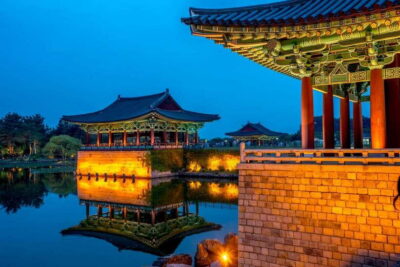
Gyeongju UNESCO World Heritage Guided Day Tour
Read our review →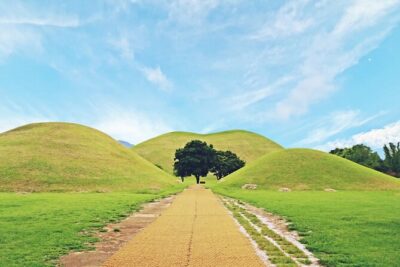
Gyeongju UNESCO World Heritage Guided Day Tour from Busan
Read our review →
Old Korea Thousand History Tour of Gyeongju from Busan
Read our review →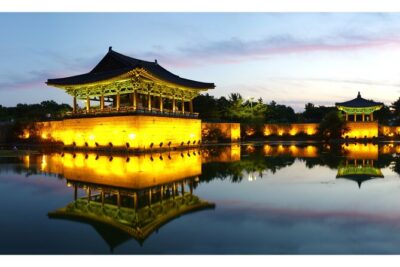
Gyeongju UNESCO sites Private tour with licensed tour guide
Read our review →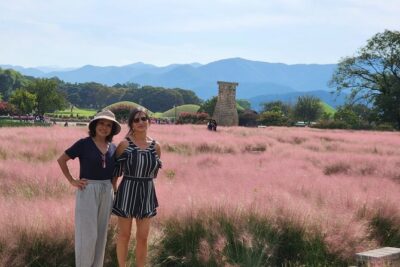
Private Gyeongju Tour – Explore Gyeongju UNESCO Sites
Read our review →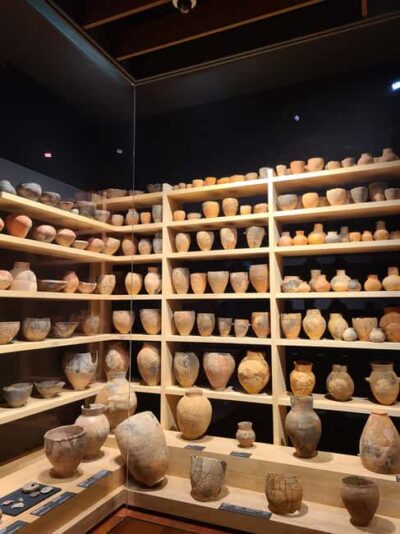
Gyeongju UNESCO Legacy Tour with National Museum
Read our review →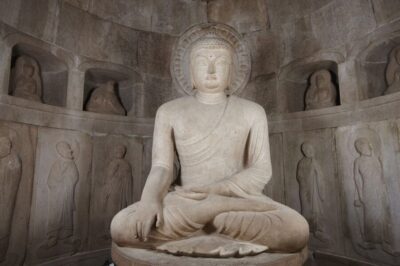
UNESCO Heritage Tour Including Bulguksa Temple
Read our review →Browse the lists this tour appears in