
Reviewed · UNESCO WORLD HERITAGE TOURS
From Busan: Gyeongju UNESCO Guided Full-Day Tour
Ancient Korea is closer than you think. This private Gyeongju tour gives you an efficient way to leave Busan behind and spend a full day among Shilla temples, royal tombs, old villages, and landmark bridges. I especially like the private car and flexible route, which let you travel at a calmer pace than a large coach tour. I also like having a live guide in English, Chinese, or Japanese, since Gyeongju’s monuments make much more sense when someone explains the people and beliefs behind them.
The main caution is time. Eight hours sounds generous, but the basic route covers several major places, and some stops are spread across the city. Lunch is not included, and admission for Cheonmachong tomb is also extra. If you want a leisurely visit to every optional site, you may need to trim the standard program.
In This Review
- Key points to know before booking
- Why Gyeongju makes a rewarding day from Busan
- Starting with pickup from Busan or Singyeongju Station
- Bulguksa Temple and the meaning of Shilla Buddhism
- Seokguram Grotto and a change of setting
- Woljeonggyo Bridge and Gyochon Folk Village
- Daereungwon Tomb Park and Cheonmachong
- Hwangnidan Street and modern Gyeongju
- Optional changes for history-focused visitors
- The guide, languages, and private pace
- What the $595 group price really buys
- Who should choose this Gyeongju tour?
- Should you book the private Gyeongju day trip?
- FAQ
- How long is the Gyeongju tour from Busan?
- Where can I be picked up?
- Can I take this tour from Seoul?
- Can the itinerary be customized?
- Which languages are available?
- Is lunch included?
- Are entrance tickets included?
- Is the tour private?
- Is the tour wheelchair accessible?
Key points to know before booking
- Private transport for up to eight people: The $595 group price can offer solid value for families and small groups traveling together.
- A full Shilla-era route: Bulguksa Temple, Seokguram Grotto, royal tombs, Woljeonggyo Bridge, and old Gyeongju neighborhoods all appear in the main program.
- A flexible sightseeing plan: You can ask to replace stops with the Gyeongju National Museum, Donggung and Wolji Pond, or Cheomseongdae Observatory.
- Busan hotel pickup is included: You do not need to find your way to a distant meeting point within Busan.
- A guide praised by name: Guide Kan received specific praise for providing an excellent explanation, a useful sign for visitors who value personal guidance.
- KTX travelers need advance planning: If you come from Seoul or another city, you must arrange a round-trip ticket to Singyeongju Station.
Why Gyeongju makes a rewarding day from Busan
Gyeongju was the capital of the Shilla kingdom for more than 1,000 years. Shilla was the first kingdom to unify the Korean peninsula, and its former capital is filled with remains from that long period of power, religion, art, and daily life.
I like Gyeongju because its sights are not confined to one museum or palace complex. Royal burial mounds sit near ordinary streets. A historic bridge crosses a modern city. Buddhist temples occupy wooded hills, while shops and cafés fill the Hwanglidan area nearby.
That mix gives the city a different feel from Seoul or Busan. You are not simply checking off one grand building. You are piecing together a picture of how Shilla rulers, monks, craftspeople, and ordinary residents lived.
A guide helps connect those pieces. Without one, you can still admire the architecture and scenery, but the meaning of the tombs, Buddhist sculptures, ancient observatory, and palace pond may remain unclear. This tour is aimed at making Gyeongju accessible without requiring you to study Korean history before arrival.
More Busan trips:
- Busan: Gyeongju Guided Day Trip to Three Kingdoms Capital
★ 4.8 · 1,925 reviews - From Busan: Gyeongju UNESCO World Heritage Guided Day Tour
★ 4.8 · 1,250 reviews - Gyeongju UNESCO World Heritage Guided Day Tour from Busan
★ 5.0 · 660 reviews
Starting with pickup from Busan or Singyeongju Station
The tour lasts eight hours and includes pickup and drop-off in Busan. The stated pickup area also includes Singyeongjuyeok-ro, referring to the area around Singyeongju Station. Your guide can collect you from your Busan hotel, which makes the start simple for people staying in the city.
The air-conditioned vehicle matters here. Gyeongju’s main sights are not all gathered in one compact square, so private transport saves time and avoids the hassle of arranging separate taxis or local buses. You also receive bottled water, a small but welcome provision during a long sightseeing day.
The private format is especially useful for families, couples, or groups of friends. The price is $595 per group of up to eight, not $595 per person. Eight people sharing the cost would pay about $74 per person before food and admissions. A smaller group will pay more per head, but the convenience and custom route may still compare well with several individual transport fares.
If you are staying outside Busan, the rules change. You need to buy a KTX round-trip ticket to Singyeongju Station. The guide can meet you on the station platform and return you there after the tour. Ticket help is available, but you should ask early, especially during holiday weeks when trains may sell out.
Bulguksa Temple and the meaning of Shilla Buddhism
Bulguksa Temple is the natural centerpiece of the day. The temple is known for its refined stonework, religious importance, and connection to the Shilla period. It gives you a strong first look at the artistic skill that developed in Gyeongju more than a thousand years ago.
I would pay close attention to the stone stairs, gateways, pagodas, and balanced layout. These are not just decorative features. They show how Shilla builders used stone, proportion, and symbolic design to create a sacred approach.
A guide can point out details that are easy to pass without context. The English, Chinese, and Japanese language options make this tour practical for a broad range of visitors. Guide Kan’s praise for clear and excellent guidance is particularly relevant here, since a temple visit benefits from explanation rather than a quick photo stop.
Bulguksa can be one of the more demanding stops for visitors who have limited mobility, even though the tour itself is wheelchair accessible. Ask the provider about the exact route and access needs before booking if anyone in your group uses a wheelchair. Accessibility for the vehicle and accessibility at every historic feature are not always the same thing.
Seokguram Grotto and a change of setting
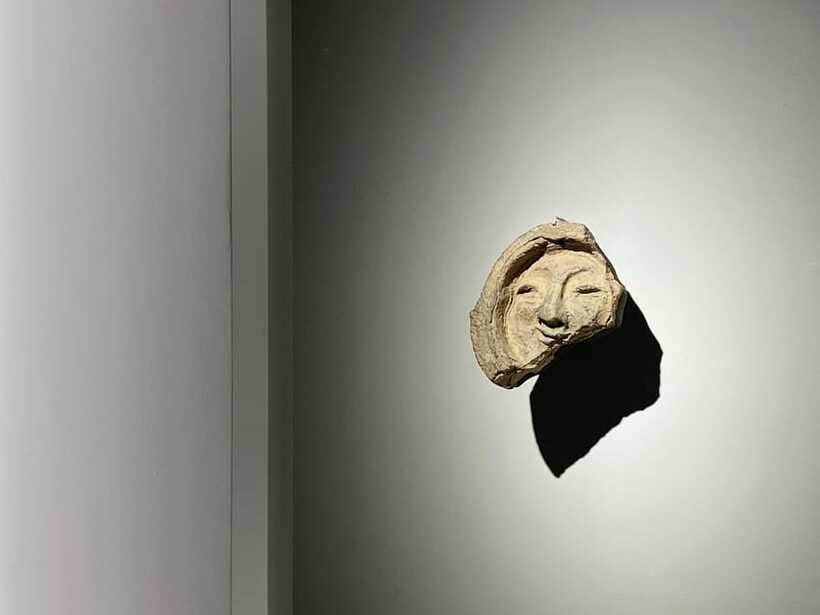
The route continues to Seokguram Grotto, a celebrated Buddhist site connected with Bulguksa. Its stone Buddha and carefully designed setting show another side of Shilla religious art.
The grotto adds variety to the day. After examining temple courtyards and architectural details, you encounter a more focused sacred space centered on sculpture and devotion. This stop is valuable for understanding that Shilla art was not limited to buildings. It also included highly controlled stone carving and religious images.
The distance between major sights is one reason a private vehicle works well. You can move through the day without having to work out each transfer yourself. Still, the visit is part of a packed route. If you prefer long quiet periods at each monument, discuss the schedule before departure and consider removing one of the optional stops.
More Gyeongju trips:
- Old Korea Thousand History Tour of Gyeongju from Busan
★ 5.0 · 518 reviews - Gyeongju UNESCO sites Private tour with licensed tour guide
★ 5.0 · 275 reviews - Private Gyeongju Tour – Explore Gyeongju UNESCO Sites
★ 5.0 · 272 reviews - Busan: Gyeongju UNESCO Legacy Tour with National Museum
★ 5.0 · 172 reviews
Woljeonggyo Bridge and Gyochon Folk Village
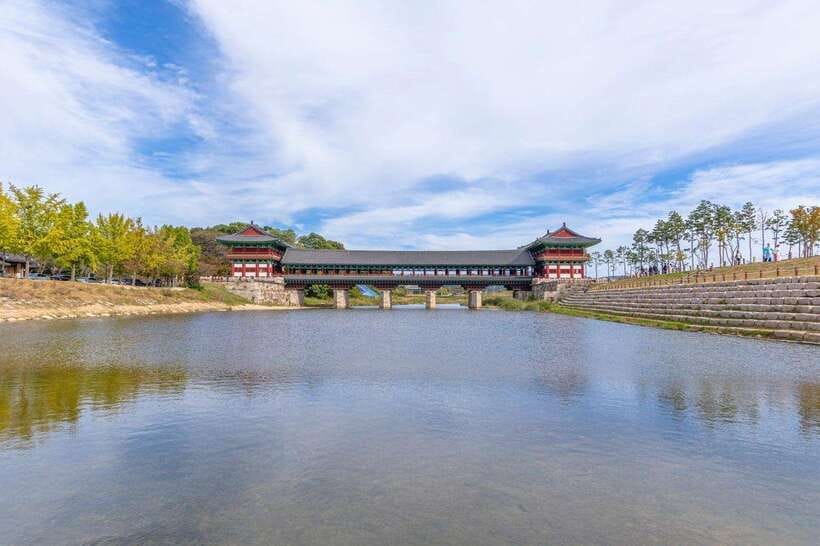
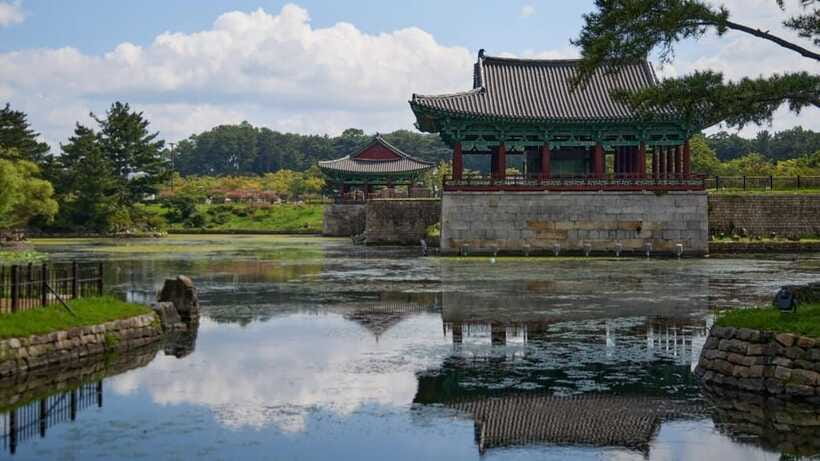
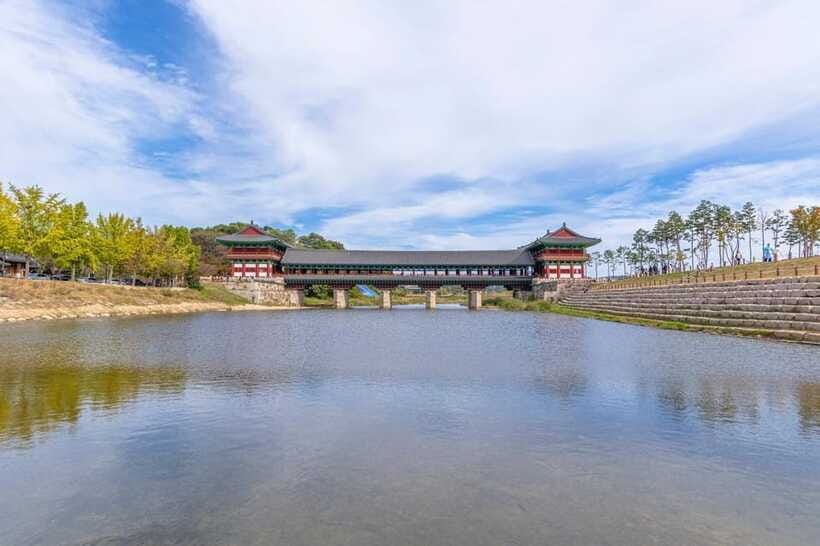
Woljeonggyo Bridge brings a different mood. The historic bridge is one of Gyeongju’s recognizable landmarks and gives you a chance to see how movement and architecture shaped the old capital. It is also a useful contrast with the temple sites, since the bridge connects the city’s cultural story with its waterways and urban spaces.
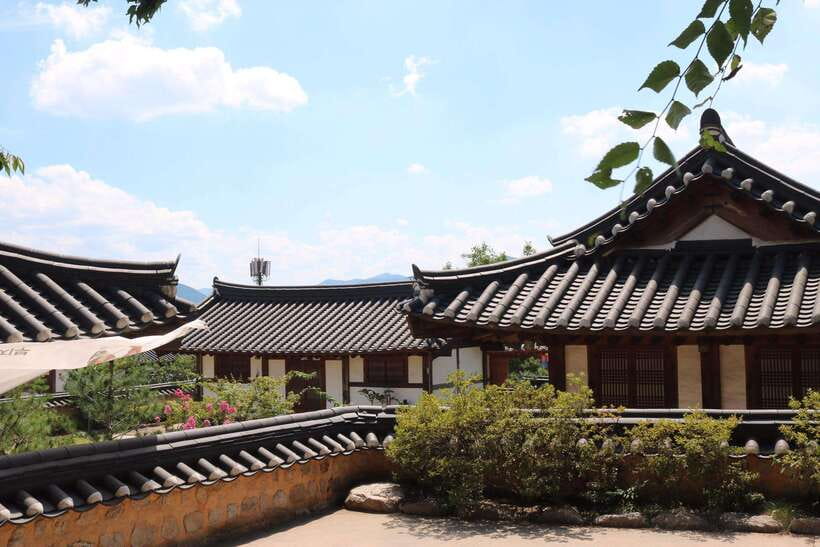
Nearby Gyochon Folk Village offers a look at traditional community life. The village setting helps balance the grand scale of royal tombs and Buddhist monuments. Instead of focusing only on kings and religious leaders, you get a sense of the homes and local culture associated with Gyeongju.
The value of these stops lies in the change of pace. A full day of temples and museum displays could become tiring. A bridge and village let you walk, look around, and experience Gyeongju as a living city rather than a collection of archaeological sites.
Daereungwon Tomb Park and Cheonmachong
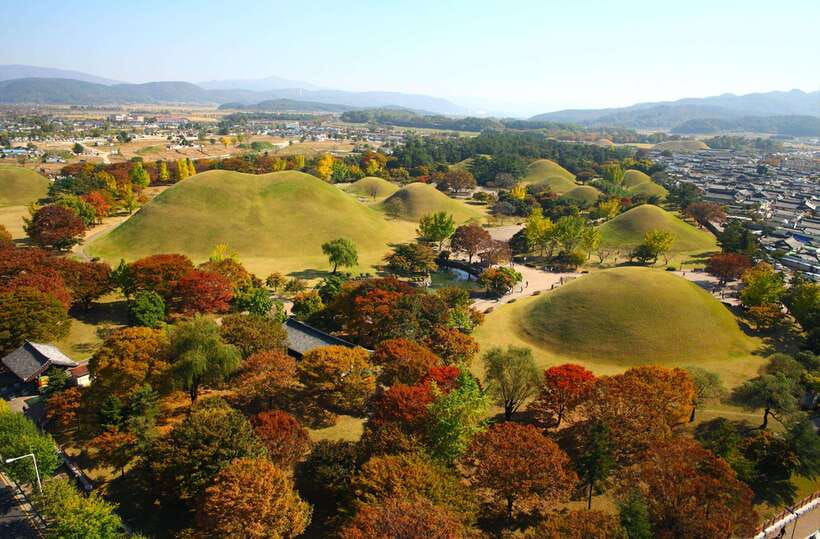
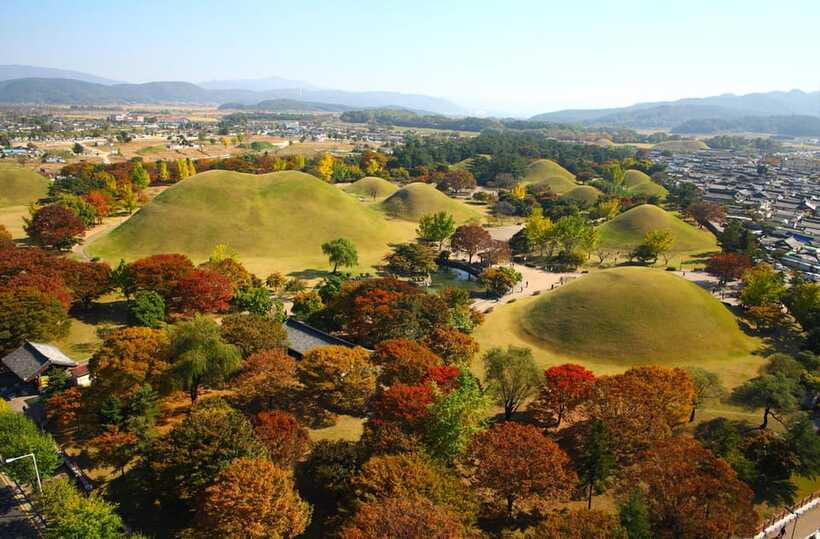
Daereungwon Tomb Park is where Gyeongju’s royal past becomes impossible to miss. Large grassy burial mounds rise in the middle of the city, giving the area a striking appearance. These tombs are not underground ruins that you simply walk past. Their rounded forms shape the view and remind you that the Shilla capital was built around powerful royal traditions.
Cheonmachong, one of the tombs associated with the park, may require a separate admission fee. That ticket is not included in the tour price. If entering the tomb is important to you, budget for the extra cost and confirm the current admission arrangements with the provider.
This stop works well with a guide because the mounds can look similar at first glance. Historical explanation helps you understand why they were built, what they reveal about Shilla society, and how archaeology has added to our knowledge of the period.
Hwangnidan Street and modern Gyeongju
Hwangnidan Street is the contemporary counterpoint to the ancient sites. It is an active shopping and dining area with a modern feel, yet it sits within a city shaped by old monuments and traditional architecture.
This is a sensible place to add a break, but remember that lunch is not included. You should plan to pay for your own meal and allow enough time for eating without rushing the afternoon stops. The exact food options and schedule are not specified, so ask your guide how much time is available on the day.
I like the inclusion of Hwangnidan Street because it keeps the tour from becoming a museum-only experience. You see how Gyeongju presents its past while functioning as a present-day city. The contrast can be more revealing than another isolated ruin.
Optional changes for history-focused visitors
The listed route can be changed. That flexibility is one of the strongest reasons to choose this experience instead of a fixed coach itinerary.
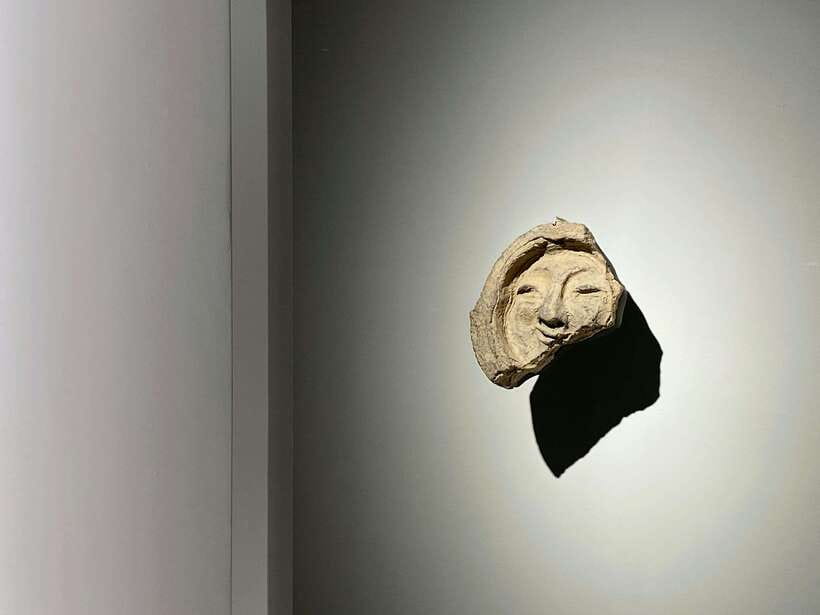
You might replace one stop with the Gyeongju National Museum. This would suit you if you want more objects, sculpture, and historical interpretation in one place. Museum time can also help on a hot or rainy day, though the tour description does not promise a particular amount of time there.
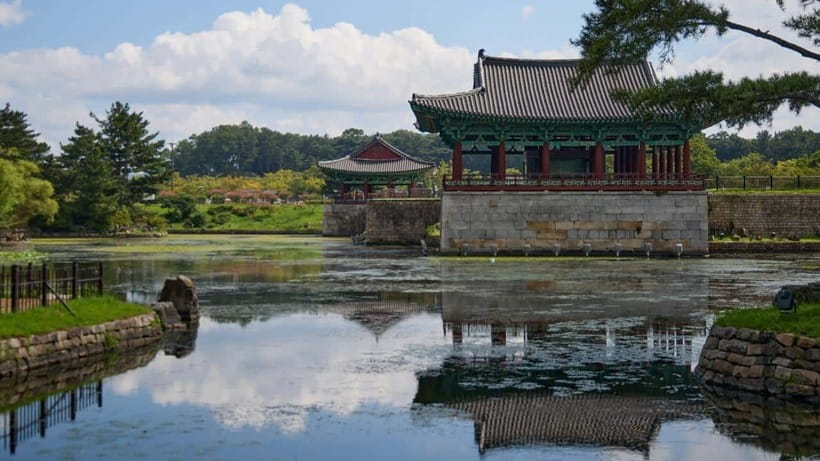
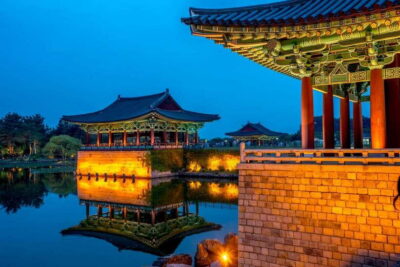
Donggung and Wolji Pond is another possible change. The site connects to the former royal complex and gives you a different view of palace life and water features. It may appeal more to visitors interested in royal architecture than in folk neighborhoods.
Cheomseongdae Observatory can also be added or substituted. It is associated with ancient astronomy and reflects the technical achievements of the Shilla period. If you enjoy science and engineering, this may be a better choice for you than spending extra time in a shopping district.
Yangdong Folk Village is mentioned as an option, but admission is not included. Because the tour has only eight hours, you should not assume every listed and optional sight can fit comfortably. Tell the provider your priorities before the day begins.
The guide, languages, and private pace
The guide is the heart of this experience. You can book live guidance in English, Chinese, or Japanese, and the private setting lets you ask questions without holding up a large group.
Guide Kan received a direct five-star assessment for excellent guidance. That single named mention cannot guarantee who will lead every departure, but it shows the kind of personal service the tour aims to provide. If you have a particular historical interest, tell the operator in advance so the guide can shape the explanations around it.
A private tour also gives you more control over energy levels. You can spend longer at Bulguksa, shorten a stop that interests you less, or make room for the museum or observatory. The tradeoff is that private pricing is higher for one or two people than a budget group excursion.
The vehicle is air-conditioned, and pickup is included. Those practical features matter more as the day goes on, especially when you are moving between sites rather than staying in one historic complex.
What the $595 group price really buys
At $595 for up to eight people, this is not a low-cost sightseeing option. It is priced as a private day service, with transport, hotel pickup and drop-off, a guide, bottled water, and route flexibility included.
For a full group, the price can make good sense. You divide the cost among up to eight people, avoid arranging separate transport, and gain a guide who can explain the sites in your chosen language. For two people, the value depends on how much you care about privacy, door-to-door service, and a customized schedule.
You still need to pay for lunch, the Cheonmachong ticket, and any Yangdong Folk Village admission. KTX fares are also separate for anyone traveling from Seoul or another city. Add these expenses before comparing the tour with a train-only visit.
The strongest value comes from convenience and time. Gyeongju covers enough ground that transport planning can eat into your sightseeing day. If you want to see several major places from Busan without handling each connection yourself, the price is easier to justify.
Who should choose this Gyeongju tour?
I would recommend it to families, small groups, and first-time visitors who want a clear introduction to Shilla culture without renting a car. It also suits anyone who values a private guide and wants to adjust the route around temples, museums, royal sites, or modern Gyeongju.
It is a good choice for visitors staying in Busan who do not want to spend time planning local transport. It can also work for Seoul-based visitors, but only if they are comfortable arranging KTX tickets and coordinating their day around the train schedule.
I would be cautious about booking it if you want a slow archaeological study with long periods at each site. The standard plan is ambitious, and eight hours must cover transportation, explanations, meals, and several stops. Ask for a tailored schedule before paying if you already know that Bulguksa, the museum, or Donggung and Wolji Pond matters most to you.
Free cancellation is available up to 24 hours before the tour for a full refund, and you can reserve now and pay later. The tour is also listed as wheelchair accessible, but historic sites may have individual access limits, so confirm the details for your group.
Should you book the private Gyeongju day trip?
Book this tour if you want to see the major Shilla sights from Busan with private transport and a guide who can make the history understandable. The combination of Bulguksa, Seokguram, royal tombs, Woljeonggyo Bridge, Gyochon, and Hwangnidan Street gives you both ancient monuments and present-day Gyeongju.
Before booking, decide what matters most. Confirm your preferred stops, budget for lunch and admission fees, and arrange KTX tickets early if you are coming from Seoul. For a group of several people, the $595 price can be a practical investment in a smooth, well-explained day. For one or two people, compare the cost against your desire for privacy and flexibility.
FAQ
How long is the Gyeongju tour from Busan?
The tour lasts eight hours, including transportation, guided sightseeing, and the return transfer.
Where can I be picked up?
Pickup is available in Busan, and arrangements can also be made around Singyeongju Station. Hotel pickup and drop-off are included for visitors staying in Busan.
Can I take this tour from Seoul?
Yes, but you must purchase a KTX round-trip ticket from Seoul to Singyeongju Station. The guide can meet you at the station platform and return you there after the tour.
Can the itinerary be customized?
Yes. The basic route can be changed, and possible alternatives include the Gyeongju National Museum, Donggung and Wolji Pond, and Cheomseongdae Observatory.
Which languages are available?
Live guiding is available in English, Chinese, and Japanese.
Is lunch included?
No. Lunch is not included in the tour price.
Are entrance tickets included?
The Cheonmachong tomb ticket and Yangdong Folk Village admission are not included. The provided tour information does not state that all other admissions are included, so confirm ticket details when booking.
Is the tour private?
Yes. It is a private group tour for up to eight people.
Is the tour wheelchair accessible?
The activity is listed as wheelchair accessible. Because individual historic sites may have different access conditions, confirm the exact route with the provider if needed.
More UNESCO Sites in Gyeongju
- Gyeongju UNESCO World Heritage Sites and History Full-Day Tour with Lunch
★ 5.0 · 104 reviews - Gyeongju: UNESCO Heritage Tour Including Bulguksa Temple
★ 4.8 · 104 reviews - From Busan to Gyeongju UNESCO Legacy Tour with National Museum
★ 5.0 · 87 reviews - Full day Private Gyeongju UNESCO Heritage Tour : a glimpse into Silla
★ 5.0 · 60 reviews
Just added in Gyeongju
- Yangdong village & Gyeongju Unesco Site Private Van Tour★ 5.0 · 1 review
- Small Group 7D Korea package Tour with Seoul Gyeongju Busan Jeju★ 4.5 · 13 reviews
- Gyeongju UNESCO Sites Tour by KTX train; The Museum Without walls★ 4.5 · 11 reviews
- Full-Day Small Group GyeongJu History Tour from Seoul★ 5.0 · 2 reviews
- 7 days Flexible Tour for Major Cities(Seoul,Busan,Gyeongju etc)★ 5.0 · 5 reviews
- PREMIUM 5 Days Tour for Wonder of Korea(Mt. Seoraksan, Andong, Gyeongju, Busan)★ 5.0 · 1 review
- 5 Days Tour for Korea’s past and present(Mt.Seoraksan, Andong, Gyeongju, Busan)★ 5.0 · 1 review
- 7 Days Highlight Korea Tour(Seoul, Nami, DMZ, Andong, Gyeongju, Busan)★ 5.0 · 1 review
UNESCO World Heritage Tours, compared.
Gyeongju UNESCO World Heritage Guided Day Tour
Read our review →

East Jeju Essentials – Seongsan Ilchulbong (UNESCO) & Haenyeo
Read our review →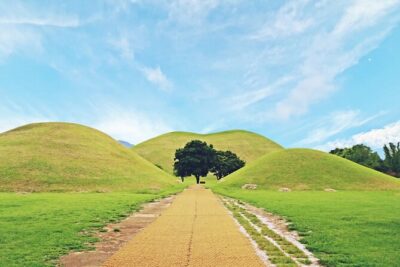
Gyeongju UNESCO World Heritage Guided Day Tour from Busan
Read our review →
Jeju Southern UNESCO Full Day Tour with Mt.Halla
Read our review →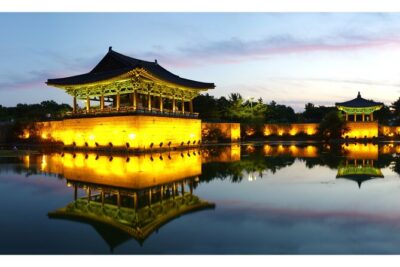
Gyeongju UNESCO sites Private tour with licensed tour guide
Read our review →
Private Gyeongju Tour – Explore Gyeongju UNESCO Sites
Read our review →Browse the lists this tour appears in